Note: This site participates in the Amazon Affiliates and other affiliate partner programs at no cost to you. Visiting an affiliate partner site may result in this site receiving a commission. For more information visit our Affiliate Disclosure page.
The first time I wandered into Dublin’s cobblestone streets, the city greeted me with a symphony of clinking glasses, the hum of harp music, and the scent of fresh scones from a corner bakery. By the end of my three-day visit, I’d sipped a pint in a pub older than the United States, traced my fingers over the 1,300-year-old pages of the Book of Kells, and stood in a 12th-century cathedral where the ghosts of monks still seemed to linger. Dublin is a city that rewards curiosity, and if you let it, it will wrap you in its paradoxical charm: a blend of stoic history and riotous fun, where cobblestone alleys lead to both ancient relics and the world’s best chip shops.
—
Dublin’s most-booked experiences – from walking tours to skip-the-line tickets – start selling out 4-6 weeks ahead in peak season. Here’s what other travelers are booking right now. Viator

Day 1: From Ancient Manuscripts to Modern Pubs
Start your Dublin adventure at **Trinity College**, where the city’s intellectual heart beats strongest. The 18th-century **Old Library**—with its haunting Long Room lined by 200,000 ancient books—is a pilgrimage site for bibliophiles. If you’re lucky (and willing to queue), the **Book of Kells** is tucked inside the Long Room, a medieval manuscript so intricate its illuminated pages seem to shimmer. Don’t rush: the library’s courtyard and cloisters are worth lingering in, especially if the **Geology Museum** across New Square is open. Its vaulted ceilings and fossil-laden walls feel like a secret society of science.
From there, wander toward **St. Stephen’s Green**, a leafy oasis where Dublin’s social elite sip lattes at the Shelbourne Hotel’s afternoon tea. The park’s bronze statues and duck-filled ponds are Instagram bait, but the real story lies beneath. During the 1916 Easter Rising, rebels turned this garden into a battlefield; the **Fusiliers Arch** gatehouse still bears bullet scars. If time allows, duck into the **Powerscourt Townhouse Centre**—a hidden shopping enclave carved from a Georgian townhouse—before heading to **Grafton Street** for a coffee at **Bewleys**, an institution since 1908. The sultana scones here are worth the wait.
As evening falls, let the city guide you to **Temple Bar**. Yes, it’s touristy, but the cobblestone streets and live music venues have a reason for drawing crowds. Grab a pint at **The Brazen Head**, Ireland’s oldest pub (est. 1198), and listen to a ballad about the 1798 Rebellion. The real magic, though, is in the side streets: **The Cobblestone** and **The Palace Bar** offer a more local vibe, where the clatter of darts and the scent of Guinness dominate.
—
Day 2: Castles, Cathedrals, and the World’s Best Pint
Begin the day at **Dublin Castle**, a fortress that has witnessed both British rule and Irish independence. The 18th-century **State Apartments** are opulent, but the real drama unfolds in the **Curb Castle**, where medieval dungeons and a haunting execution room tell darker tales. If you’re feeling ambitious, climb the **Round Tower** for a dizzying view of the city.
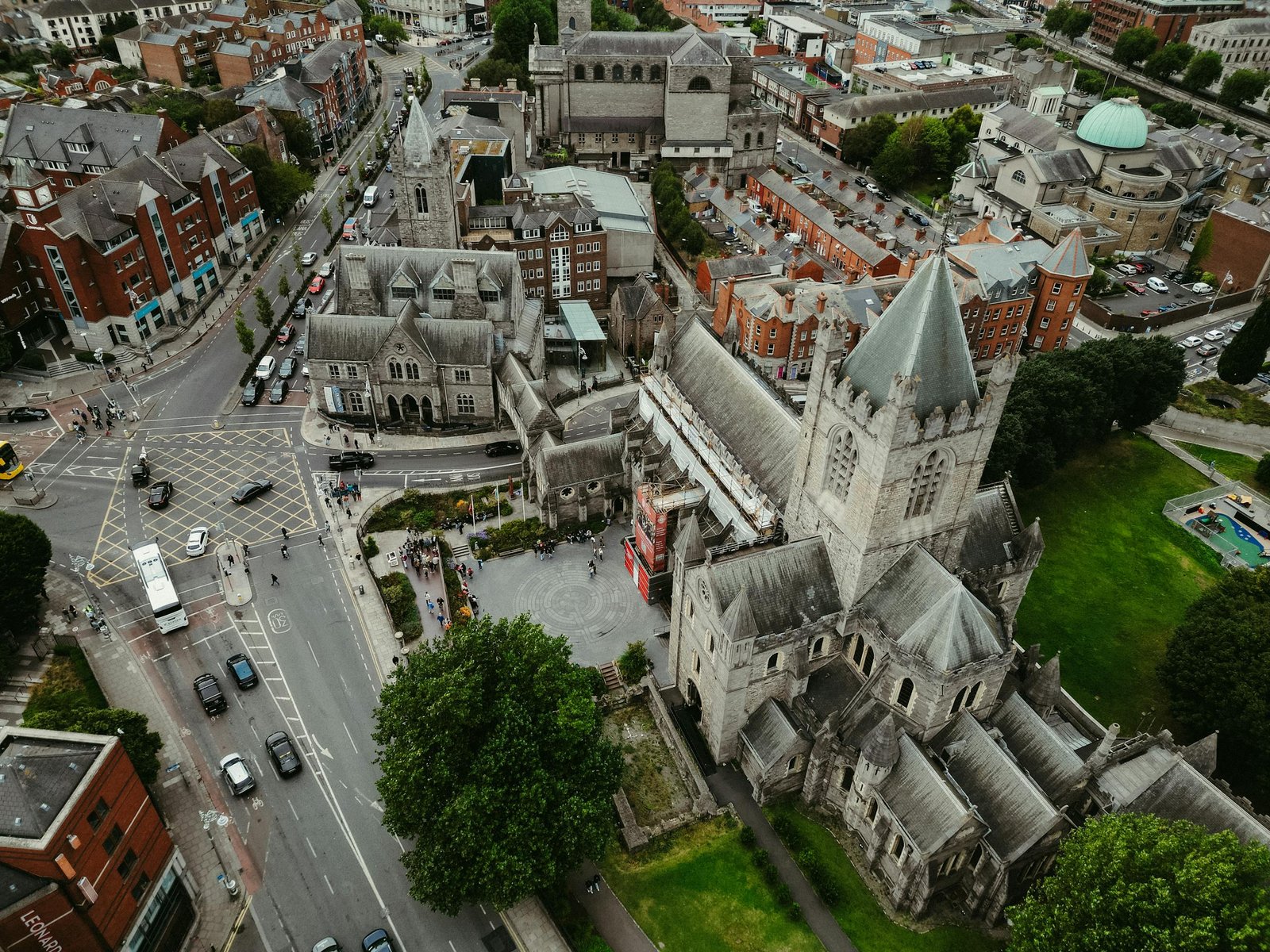
Next, head to **Christ Church Cathedral**, the oldest heart of Dublin. Its Viking-era crypt and 12th-century choir are must-sees, but don’t miss the **Clergy House**, Ireland’s oldest surviving domestic building. If you’re a whiskey enthusiast, detour to **The Irish Whiskey Experience** before the afternoon—its 90-minute tour (with tastings) is a masterclass in peat and oak.
But no visit to Dublin is complete without **Guinness Storehouse**. The tour is as much about theater as it is about beer: you’ll descend into a “Gravity Bar” with 360-degree views of the city while sipping a perfectly poured pint. Afterward, explore **Merrion Square**, where neoclassical mansions house hidden gems like the **Aberdeen Pub**, a quiet spot for a post-tour pint.
As dusk falls, return to Temple Bar for dinner. **The Little Museum of Dublin** is a quirky stopover—it’s crammed with artifacts from the city’s history, all donated by locals. Cap the night with seafood at **Oscar’s**, where the oysters and the atmosphere are both unpretentious.
—
Day 3: Day Trips to Glendalough, Kilkenny, and Beyond
Dublin’s charm deepens when you venture beyond its borders. Start with a morning trip to **Howth**, a coastal village just 15 minutes north. Walk the clifftop path to **Howth Head**, where seabirds screech over 12th-century ruins. If you’re lucky, a fishing boat will take you out to spot dolphins.
The real highlight, though, is **Glendalough**, a monastic city in the **Wicklow Mountains**. Founded in 563 AD, its stone churches and round tower are surrounded by waterfalls and hiking trails. The **National Park Visitor Centre** has a 3D map that brings the valley’s history to life. Afterward, detour to **Kilkenny**, a medieval gem with cobblestone lanes and the **Rothe House Museum**, where a 16th-century family home has been preserved down to the last tapestry.
If you have time, **Kilkenny Castle** and **Jerpoint Abbey** are worth a stop. But don’t rush—Dublin’s best day trips are about savoring the slow rhythm of Ireland’s landscapes.
—
Hidden Gems and Local Secrets
Dublin’s beauty lies in its surprises. The **Kilkenny Shop** on Nassau Street is a trove of Irish crafts, from handwoven Aran sweaters to silver jewelry. The **National Museum of Ireland** (near Leinster House) houses 4,000 years of history, including the **Bog People**, naturally preserved Iron Age bodies. And if you find yourself on Fleet Street, peer into the **Old Houses of Parliament**—now a bank—with its neoclassical arches and political murals.
For a quieter afternoon, picnic in **Phoenix Park**, Europe’s largest enclosed urban park. The **Irish Museum of Modern Art** (IMMA) is tucked within, offering contemporary art in a setting of grazing deer and swan-filled lakes.
—
Frequently Asked Questions
**Is Dublin walkable?** Absolutely. Most major attractions are within a 1-mile radius of the city center. Comfortable shoes are a must.
**What’s the best time to visit?** May to September offers the most reliable weather, but spring and fall are quieter and less crowded.
**How do I avoid tourist traps?** Avoid overpriced “Irish” shops in Temple Bar. For authentic souvenirs, head to **Henry Street** or **Grafton Street**.
**What should I eat?** Must-tries include **coddled eggs**, **boxty** (potato pancakes), and **brown bread**. For dessert, **Murphy’s Ice Cream** in St. Stephen’s Green is a local favorite.
—
Final Thoughts
Dublin is a city that defies expectations. It’s not just a tourist destination; it’s a living story, written in cobblestones, pubs, and the laughter of strangers who feel like old friends. In three days, you’ll see only a fraction of what it has to offer. But that’s the point. Ireland is a country that wants you to return.
This article is for informational and educational purposes only. Always verify current travel information, visa requirements, entry rules, and health guidance with official government sources and qualified professionals before making travel decisions.