Note: This site participates in the Amazon Affiliates and other affiliate partner programs at no cost to you. Visiting an affiliate partner site may result in this site receiving a commission. For more information visit our Affiliate Disclosure page.
If you have not heard of the Camino de Santiago before, it incorporates multiple walking/hiking routes that all end at the Cathedral in Santiago de Compostella Spain. However, for many that embark on their own journey along one of the many paths, it is more than just a walking route, it can be transformative. Two of the increasingly popular routes stretch across the breathtaking landscapes of Portugal and Spain and are known as the Portuguese Way. One route winds through a more inland path, while the other follows the coastline for a good majority of the distance before moving inland and joining the inland path.
This ancient pilgrimage route is an experience of physical challenge, spiritual discovery, and cultural immersion. Thousands of pilgrims annually undertake this remarkable trek, drawn by its rich historical significance and the promise of personal transformation.
Prices and availability in Camino De Santiago change fast – especially around peak season. Here’s a live look at what’s available for your dates. Booking.com

Modern pilgrims come from diverse backgrounds, united by a shared desire to experience something extraordinary. Whether motivated by spiritual reasons, personal growth, or pure adventure, walking the Camino de Santiago provides an unparalleled opportunity to disconnect from daily routines and reconnect with oneself and the surrounding environment.
Essential Gear: Dressing for Success on the Coastal Trails
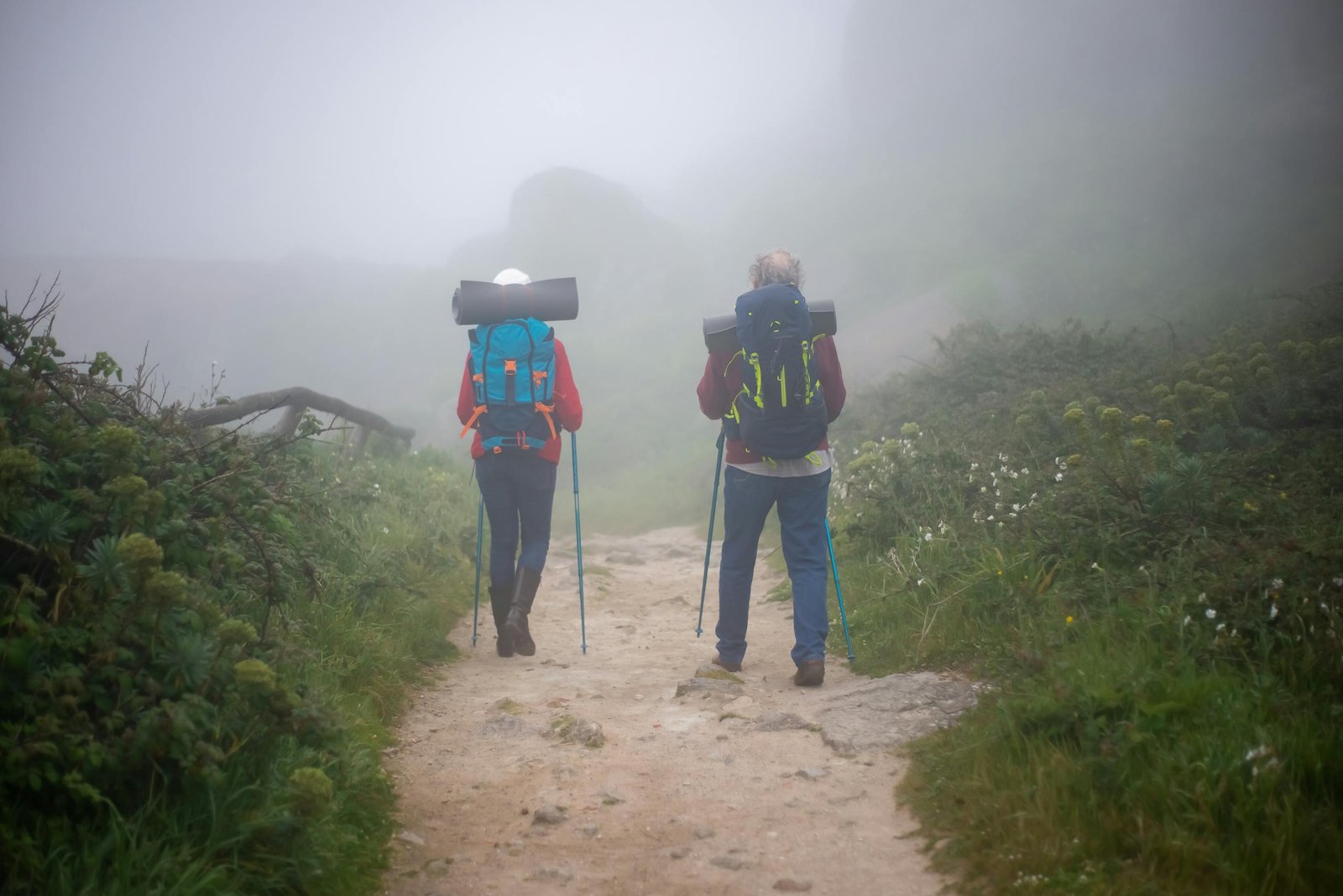
Selecting the right clothing can make or break your Camino de Santiago experience. Lightweight, moisture-wicking fabrics are crucial for managing the varying coastal climates. Experienced pilgrims recommend layering systems that allow quick adaptation to changing temperatures and weather conditions.
Your core wardrobe should include quick-drying hiking pants, breathable technical shirts, and a lightweight waterproof jacket. Invest in high-quality, well-broken-in hiking boots with excellent ankle support and cushioning. Pack three to four moisture-wicking shirts, two pairs of hiking pants, and multiple pairs of cushioned hiking socks to prevent blisters and maintain foot comfort during long walking days.
Navigating the Route: Coastal Walking Strategies and Challenges
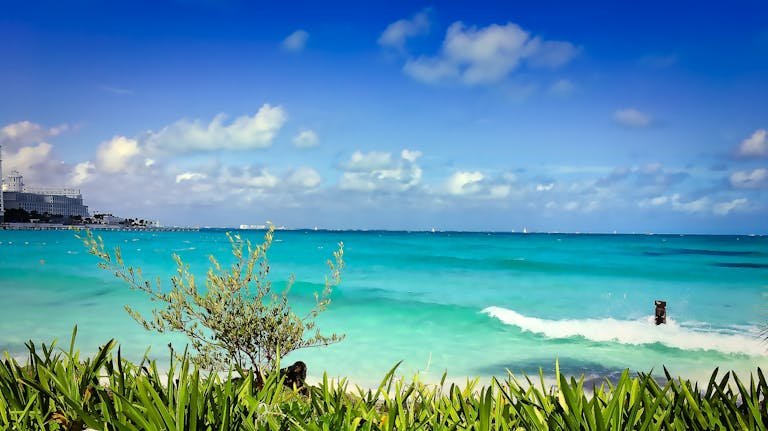
Walking along the Portuguese and Spanish coasts presents unique challenges and breathtaking scenery. The coastal Camino routes—particularly the Camino Português da Costa—offer stunning ocean views and relatively flat terrain compared to inland paths. However, pilgrims must prepare for varied landscapes, including sandy beaches, rocky shorelines, and occasional steep sections.
Most pilgrims average 15-25 kilometers per day, allowing time for rest, exploration, and personal reflection. It’s essential to pace yourself, stay hydrated, and listen to your body. Strategic planning of daily distances helps prevent exhaustion and allows for meaningful interactions with fellow travelers and local communities.
Nourishment and Sustenance: Fueling Your Pilgrimage
Portuguese and Spanish coastal regions offer incredible culinary experiences that perfectly complement the walking journey. Small towns and villages along the Camino provide numerous opportunities to sample local cuisine. Pilgrims should prioritize nutrient-dense, easily digestible foods that provide sustained energy.
Typical daily meals might include hearty breakfasts of toast with olive oil and tomatoes, lunch stops featuring fresh seafood or local sandwiches, and dinners showcasing regional specialties like pulpo a feira (octopus) or bacalhau (salted cod). Many albergues and small restaurants along the route offer pilgrim-specific menus at reasonable prices.
Restful Nights: Accommodation Options for Weary Travelers
Accommodation along the Camino de Santiago ranges from basic municipal albergues to comfortable private hostels and guesthouses. Municipal albergues, typically costing between €5-€10 per night, offer dormitory-style sleeping arrangements and basic amenities. These communal spaces provide excellent opportunities for meeting fellow pilgrims and sharing experiences.
Private accommodations offer more comfort and privacy, with prices ranging from €20-€50 per night. Many establishments cater specifically to pilgrims, offering laundry services, secure storage for backpacks, and valuable local advice. Advance booking during peak seasons is recommended to ensure availability.
Mental and Physical Preparation: The Holistic Camino Experience
Successfully completing the Camino de Santiago requires comprehensive preparation beyond physical training. Mental resilience, emotional openness, and a flexible attitude are equally important. Pilgrims should develop a consistent walking routine months before departure, gradually increasing distance and incorporating strength training.
Mindfulness practices like meditation or journaling can help manage the psychological challenges of long-distance walking. Many pilgrims report transformative experiences that extend far beyond physical achievement, involving profound personal insights and unexpected emotional breakthroughs.
Final Recommendations and Pro Tips
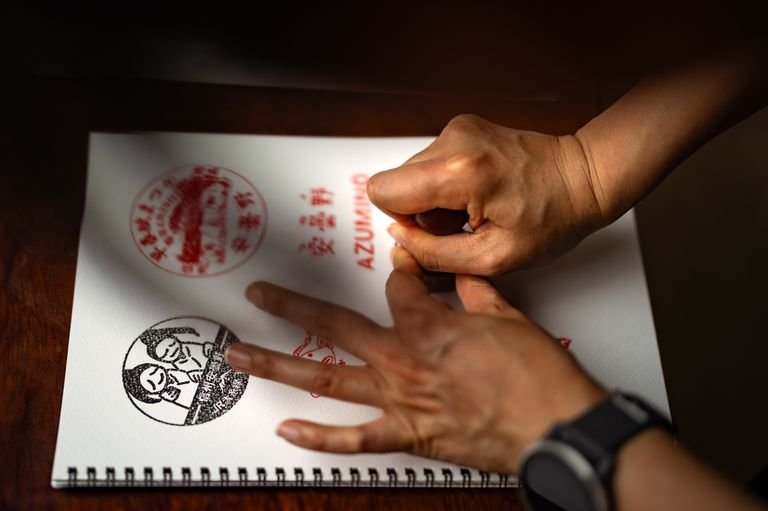
• Carry a lightweight, comfortable backpack (ideally 30-40 liters) • Obtain a pilgrim passport (credential) for official route tracking • Learn basic Portuguese and Spanish phrases • Pack lightweight, quick-drying microfiber towel • Bring high-quality blister prevention supplies • Consider travel insurance with medical coverage