Note: This site participates in the Amazon Affiliates and other affiliate partner programs at no cost to you. Visiting an affiliate partner site may result in this site receiving a commission. For more information visit our Affiliate Disclosure page.
In 2023, over 3.6 billion journeys were made on the London Underground, a staggering number that underscores the city’s obsession with its subterranean lifeline. You’ll likely find yourself in the same rhythm, tapping your contactless card at stations like Oxford Circus or King’s Cross St. Pancras, where commuters and tourists alike navigate the maze of colored lines with practiced ease. The Tube isn’t just a transit system—it’s a portal to London’s soul, a place where the chaos of the city above meets the ordered hum of its beating heart below. And if you’re wondering how to move through this sprawling metropolis without getting lost? Start here, with the locals’ secret weapon for survival—and adventure.
The London Underground: A Masterclass in Efficiency
The Tube’s network of 270 stations and 11 lines is more than just efficient—it’s a marvel of urban planning. From the deep-level tunnels of the Northern Line to the surface-running branches of the Overground, the Underground connects every corner of Greater London. But don’t let the complexity intimidate you. Each station is a hub of information, with digital screens displaying real-time arrivals and departures, and staff who’ve mastered the art of brevity. For first-timers, the key is to embrace the color-coded map—yes, the one that looks like a Jackson Pollock painting but is, in fact, a carefully curated masterplan. The Central Line’s red stripe is your best friend for hitting the West End, while the Circle Line’s yellow loop offers a scenic detour through the city’s most iconic zones.
For a private day trip rather than joining a tour group, Intui.travel has a range of private options in London – including driver + guide combinations for flexible itineraries. Intui.travel

For travelers who want a specialist-led cultural experience in London rather than a standard tour group, Ekta Traveling curates smaller, more focused options. Ekta Traveling

London’s most-booked experiences – from walking tours to skip-the-line tickets – start selling out 4-6 weeks ahead in peak season. Here’s what other travelers are booking right now. Viator

Forget the days of buying paper tickets. London has fully embraced the future with contactless payments, making your regular credit or debit card a one-stop solution. No need to queue for an Oyster card; simply tap in and out at the barriers. The system automatically calculates the cheapest fare based on your journey, even if you transfer lines. And for those who prefer a physical card, the Oyster still reigns supreme, especially for visitors who plan to ride extensively. Both options cap daily spending, so you won’t accidentally spend £20 on a single day’s travel. Just remember: the Tube’s first and last trains can be as elusive as Big Ben’s chimes, so plan accordingly if you’re chasing the 04:30 am Bakerloo Line or the 00:30 Knight’sbridge night bus.
But the Underground isn’t just about getting from A to B. It’s a cultural experience. Step into the Bank branch of the Northern Line and you’ll find yourself in the shadow of the Bank of England, while the Piccadilly Line’s Regent’s’s Park stop opens into a world of greenery and hidden gems like the Primrose Hill viewpoint. For a truly local experience, ride the Hammersmith & City Line’s full loop—it’s a 76-minute odyssey through the city’s quieter neighborhoods, from Islington’s artsy vibe to Barking’s suburban sprawl. Just don’t be surprised if you end up in conversation with a fellow passenger who’s a Tube enthusiast, or worse, a historian with a PhD in the Third Man’s tunnels.
Pro tip: Avoid peak hours (7:30–9:30 am and 5–7 pm) unless you’re testing your claustrophobia. The rush can turn the Central Line into a standing-room-only concert of sighs and muttered curses. Instead, ride during off-peak times to savor the views of the Thames from Waterloo Station or the quiet dignity of the Metropolitan Line’s arches. And if you ever need to escape the system, the “Esc” signs at every station are your golden ticket to the surface world. From there, you’ll likely spot a cabbie or a double-decker bus waiting to take you deeper into the city’s secrets.
Buses and Trams: The Surface-Level Adventure
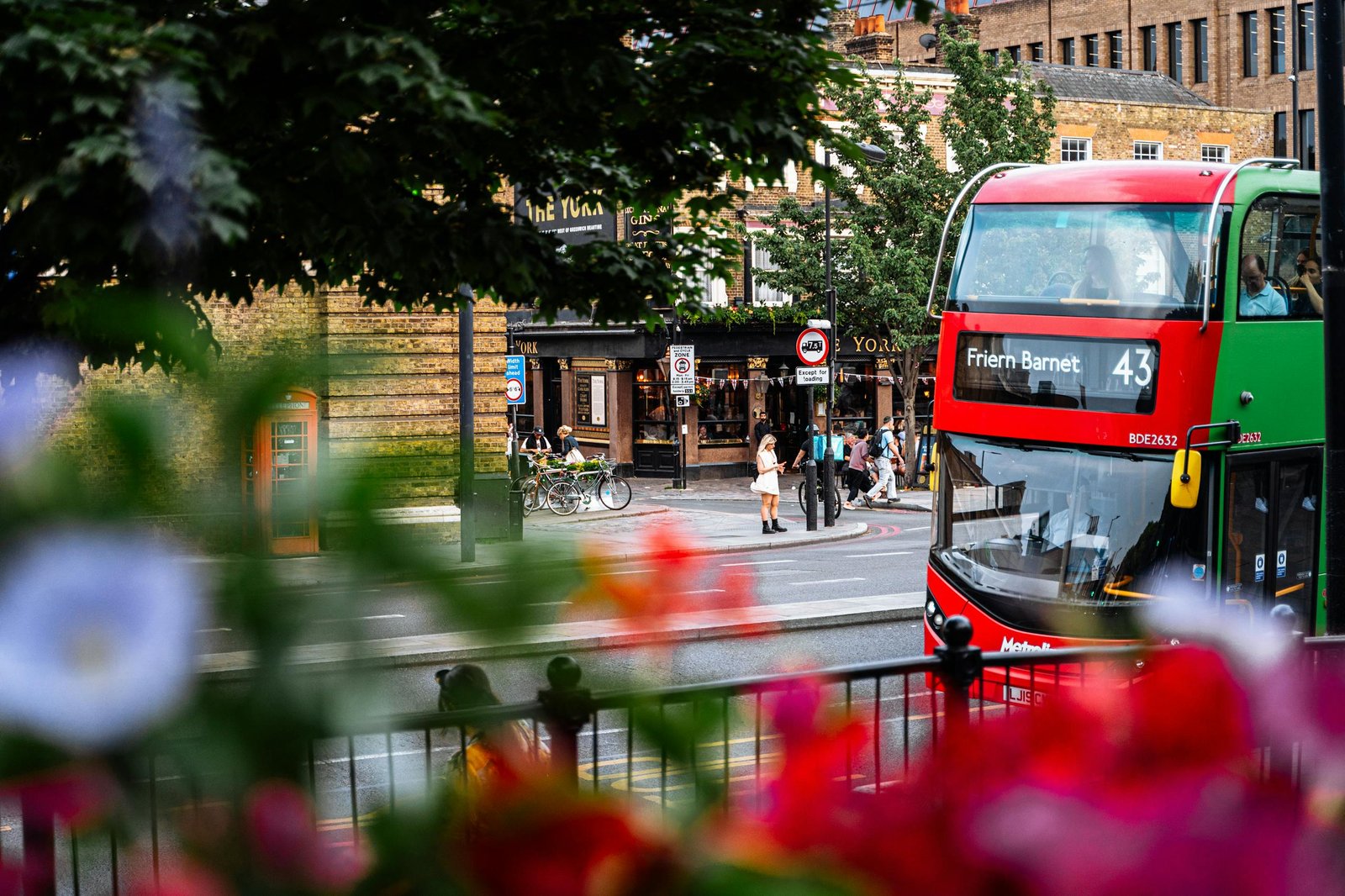
While the Tube gets you there in record time, London’s buses are the true storytellers of the city. These iconic red double-deckers aren’t just transportation—they’re moving museums of British design. With over 900 routes covering everything from the tourist-packed Oxford Street to the suburban sprawl of Croydon, buses offer a slower, more scenic way to absorb the city’s layers. And for the uninitiated, they’re surprisingly straightforward: just tap your contactless card on the driver’s terminal and ride. Most routes loop through central London, making them ideal for short hops to places like Trafalgar Square or the South Bank. Just be warned: some routes, like the 188 through the Royal Parks, are so popular they can be crowded at peak times.
Trams, on the other hand, are the unsung heroes of South London. The Tramlink system, with its five routes and 51 stops, is a lifeline for neighborhoods like Wimbledon and Croydon. Unlike buses, trams are powered by overhead wires and glide silently along dedicated tracks, offering a smoother ride. They’re also perfect for reaching the city’s southern highlights, such as the Crystal Palace and the historic Greenwich. For a unique experience, take the tram to Clapham Junction and then transfer to the Overground for a journey that feels like a local commuter’s daily ritual. Just don’t be surprised if you end up on a tram that’s delayed by a pigeon collision—yes, it happens more than you’d think.
For night owls, the night bus network is a godsend. With over 60 routes operating until the early hours, these buses are your ticket to navigating the city after the Tube has closed. The N9, for instance, runs from Victoria to Hammersmith, making it a favorite for those emerging from a late-night gig at the Hammersmith Apollo. But here’s the catch: night buses are slower and more expensive, so they’re best reserved for emergencies or, better yet, for the thrill of seeing London when it’s still cloaked in shadows and secrets. And if you’re ever unsure where to go, just ask the driver—they’ve likely heard every question under the sun and will answer with a smile that hints at decades of experience.
Pro tip: Use the TfL app to plan your bus or tram journey. It’s a lifesaver for figuring out the best route, especially when you’re trying to avoid the chaos of traffic. And if you’re heading to Heathrow, forget the Tube’s Piccadilly Line for the first leg. Instead, take the Heathrow Express from Paddington for a 15-minute blast to the airport, then switch to a local bus for a cheaper, more scenic return trip. It’s a local trick that’ll save you time and money while giving you a taste of the city’s rhythm.
Walking and Cycling: The Human Scale of London
If you’ve ever wandered through London’s neighborhoods, you’ve already discovered that the city’s true character unfolds at a human pace. Notting Hill, with its cobblestone alleys and Portobello Road Market, is a case in point. Here, the Tube drops you off at the edge of the action, but it’s the 10-minute walk to the market that lets you absorb the scent of sizzling falafel and the murals of colorful facades. Similarly, a stroll through Bloomsbury reveals the quiet grandeur of the British Library and the architectural quirks of University College London, with every turn offering a new story etched into the brickwork. For locals, walking isn’t just about getting there—it’s about arriving in the moment, with all five senses engaged.
Cycling in London is another way to embrace the city’s contradictions. The Santander Cycles, with their bright orange frames, are a familiar sight at every major Tube station. For the daring, a 30-minute ride from King’s Cross to Regent’s’s Canal offers a mix of industrial grit and serene waterways, while the Cycle Superhighways provide a safer, more structured route for the less adventurous. But cycling isn’t without its challenges. The city’s traffic can be brutal, and the “cycle lanes” are often more aspirational than practical. Still, for the short distances that make up much of London life, a bike can be a liberating alternative. Just remember to lock it securely—bike theft in the capital is a thriving industry.
For those who prefer to pedal in groups, guided cycling tours offer a curated way to see the city. Companies like London Bicycle Hire Company provide everything from Thames River cruises to historic West End tours, complete with a knowledgeable guide to point out the hidden gems you’d never find on your own. And if you’re up for a challenge, the 100-mile London to Brighton cycle is a bucket-list event for locals, though it’s best left for the seasoned rider. For the casual cyclist, the key is to embrace the small victories: that first hill conquered, that perfect coffee stop at a canal-side café, the thrill of weaving through the city without a care in the world.
Pro tip: Combine walking and cycling for the ultimate local experience. Use the Tube to reach a neighborhood like Hampstead, then explore the Heath on foot or by bike. The mix of manicured gardens, hidden ponds, and panoramic views is a reminder that London isn’t just a city of concrete—it’s a patchwork of landscapes waiting to be discovered. And if you’re ever unsure where to go next, follow the signs for “Parks”—they’ll lead you to some of the city’s most peaceful oases.
Beyond the Tube: The Overground, DLR, and More
While the Underground is the backbone of London’s transport network, the Overground and Docklands Light Railway (DLR) are the unsung heroes that keep the outer edges of the city connected. The Overground, with its green-and-yellow branding, is a sprawling network that links suburbs like Epping and Hinchinbrook with the heart of the city. It’s particularly useful for reaching places like Walthamstow, home to the iconic Walthamstow Wetlands, or Stratford, where the Olympic Park buzzes with activity. The DLR, on the other hand, is a sleek, automated system that serves the East End and Docklands, making it the go-to for travelers heading to places like Canary Wharf or the O2 Arena. Both systems are fully integrated with the TfL network, so you can use your contactless card seamlessly across all lines.
For a taste of London’s maritime history, the Emirates Air Line cable car offers a unique perspective. This 1.2-kilometer gondola ride over the Thames is as much a tourist attraction as it is a transport option, though locals do use it to cross the river. The views of the city skyline from 90 meters up are worth the short wait, especially at sunset when the bridges and buildings glow in golden light. Just be prepared to share the ride with selfie-taking tourists and curious locals who’ve never quite figured out how to operate the camera on their phone.
The River Services, operated by Thames Clippers, are another alternative for those who want to see the city from the water. These commuter ferries connect key points along the Thames, from Tower Bridge to Woolwich, and are particularly useful for avoiding the congestion of central London. For an even more luxurious experience, the Thameslink services offer direct routes from St. Pancras to places like Brighton or Luton, combining train travel with river views. But remember: while these services offer a different perspective, they’re not always the fastest way to get around. They’re best reserved for special occasions or when you want to savor the scenery rather than rush to your next destination.
Pro tip: If you’re visiting London for a few days, consider investing in a Travelcard or a Visitor Oyster card. These options allow you to use all TfL services, including the Overground and DLR, without worrying about daily caps. And for the truly adventurous, the Night Tube service on certain lines means you can explore the city at night without relying on the more expensive night bus network. Just be prepared for the odd late-night encounter with a local who’s clearly been out celebrating something or other.
The London Pass: Your All-Access Key to the City
For visitors who want to maximize their time, the London Pass is more than just a ticket to attractions—it’s a gateway to the city’s cultural soul. This all-inclusive pass grants entry to over 90 top sights, from the Tower of London to the Science Museum, and includes unlimited travel on the Tube, buses, trams, and DLR. For those who prefer flexibility, the hop-on-hop-off bus tours included in the pass offer a stress-free way to see the highlights without worrying about navigation. And if you’re planning to visit multiple attractions in a single day, the pass’s fast-track entry can save you hours of waiting in line.
But the London Pass isn’t just about convenience—it’s about curation. With expertly designed itineraries, the pass helps you avoid the tourist traps and focus on the experiences that truly define the city. A guided tour of the Houses of Parliament, for instance, brings the history of British democracy to life, while a visit to the Wallace Collection in Marylebone offers a glimpse into the opulence of 18th-century London. And for those who want to dive deeper, the pass includes access to hidden gems like the Grant Museum of Zoology or the Horniman Museum in South London, places that most visitors would never stumble upon on their own.
What sets the London Pass apart is its integration with the city’s transport network. Unlike other passes that require separate tickets, the London Pass includes a pre-loaded Oyster card, so you can move between attractions effortlessly. This seamless integration means you can spend your morning exploring the British Museum, your afternoon wandering through Hyde Park, and your evening sipping a cocktail in the West End—all without worrying about fares or tickets. And with 24-hour, 48-hour, and 6-day options, the pass is tailored to the length of your visit, ensuring you get the most out of your time in the city.
Pro tip: Combine the London Pass with a Thames River Cruise for the ultimate in scenic sightseeing. The included river cruise takes you past some of the city’s most iconic landmarks, from the Tower Bridge to St. Paul’s Cathedral, and offers a unique perspective that’s impossible