Note: This site participates in the Amazon Affiliates and other affiliate partner programs at no cost to you. Visiting an affiliate partner site may result in this site receiving a commission. For more information visit our Affiliate Disclosure page.
Standing in Millennium Park, gazing at the undulating curves of the Bean, you might feel like you’ve touched the heart of Chicago. But the truth is, the city’s pulse beats far beyond that reflective sculpture. Locals know that the real magic lies in the juxtaposition of the city’s grit and glamour—the way a punk rock festival can coexist with a Michelin-starred tasting menu, or how a deep-dish pizza slice can lead you to a hidden jazz club in the South Side. Chicago isn’t just a skyline; it’s a symphony of experiences waiting to be uncovered.
1. From Punk Rock to BBQ: Chicago’s Festival Scene
If you think Chicago is just about art galleries and architecture, Riot Fest will shatter that illusion. This annual punk rock festival in Douglas Park is a love letter to the city’s rebellious spirit. But Riot Fest isn’t just about music—it’s a full sensory immersion. You’ll find carnival rides spinning under the sun, food trucks dishing out smoked brisket and loaded pretzels, and crowds bouncing to sets from bands like Bad Religion and The Offspring. It’s a place where the Bean’s polished elegance feels a world away.
Chicago’s most-booked experiences – from walking tours to skip-the-line tickets – start selling out 4-6 weeks ahead in peak season. Here’s what other travelers are booking right now. Viator

For a more laid-back vibe, head to the Windy City Smokeout at Navy Pier. This autumn event pairs country music legends with barbecue that could make a steak whisper, “I surrender.” Picture yourself sipping a craft beer while Dierks Bentley or Miranda Lambert takes the stage, the air thick with the scent of hickory-smoked ribs. The contrast is stark: a few miles north, you’re at Navy Pier’s touristy attractions; a few miles south, you’re at the gritty, sweaty heart of Chicago’s music scene.
But festivals aren’t just about the big names. The Chicago Jazz Festival in Grant Park, for instance, draws thousands to hear legends like Herbie Hancock or Pat Metheny. It’s here, among the swaying crowds and the clinking of champagne glasses, that you’ll realize Chicago isn’t just a city—it’s a stage where every genre gets its moment to shine.
**Don’t miss:**
– Riot Fest (August) for an all-day punk rock explosion
– Windy City Smokeout (October) where country music meets BBQ
– Chicago Jazz Festival (July) for free, world-class jazz in the park
2. The Art of Pizza: Beyond the Deep Dish
Chicago’s pizza obsession is legendary, but the city’s culinary scene is far from monolithic. While deep dish might be the iconic export, thin crust devotees find a sanctuary in Robert’s in River North. This unassuming pizzeria, tucked near the Sheraton Grand Riverwalk, serves up a margherita that’s a lesson in restraint. The Roma tomatoes are hand-squeezed, the mozzarella fresh, the basil bright. Pair it with a half-portion of pepperoni and meatball sausage, and you’ve got a pizza that feels like a conversation between tradition and innovation.
But pizza isn’t just about the pie. The city’s food culture is a mosaic of global influences. On the South Side, you’ll find Checker’s Drive-In, where the “Chicago-style” hot dog—topped with mustard, relish, onions, tomatoes, sport peppers, a dill pickle spear, and a sweet pickle spear, all served on a poppy seed bun—has been a sacred ritual since 1934. Meanwhile, the West Loop’s Alinea, a three-Michelin-starred restaurant, turns dining into performance art. Here, your meal might involve edible balloons or a chocolate fountain served upside down.
What unites these experiences is the city’s fearless approach to flavor. From the sizzling skewers at the Thai Town Market to the saucy Italian beef sandwiches at Portillo’s, Chicago’s food scene is a testament to its immigrant roots and its hunger for reinvention. You’ll leave not just full, but curious—about what you’ll taste next.
**Don’t miss:**
– Robert’s for a thin-crust margherita with creative toppings
– Checker’s Drive-In for the original Chicago hot dog
– Alinea for a dining experience that defies expectations
3. The Chicago Southland: A World Beyond the Loop
Just 30 minutes from the city’s glittering skyline lies the Chicago Southland, a region that feels like a hidden universe. With 40,000 acres of forests, 600 holes of golf, and historic downtowns like Joliet and Naperville, this area is where the city’s soul meets the countryside. The Forest Preserve of DuPage County, for instance, offers trails that wind through ancient oak savannas, perfect for a sunrise hike before the city’s buzz begins.
Golf enthusiasts will find their paradise in the Southland, where courses like the TPC of Chicago (host of the BMW Championship) blend championship play with scenic beauty. But it’s not just about the sport; it’s about the experience. The region’s breweries and distilleries, like the 5 Rabbit Cerveceria in Berwyn, add another layer. Here, you can sip a hibiscus lager while learning how the city’s Mexican-American community shaped its culinary identity.
Then there’s the architecture. Frank Lloyd Wright’s Robie House in Hyde Park is a pilgrimage site for design lovers, but the Southland’s real treasure is the Taliesin West-inspired studios and homes that dot the suburbs. These aren’t just buildings—they’re philosophies in brick and glass, testaments to a man who believed architecture should harmonize with nature.
4. Chicago’s Architectural Legacy: From the Skyline to the Streets
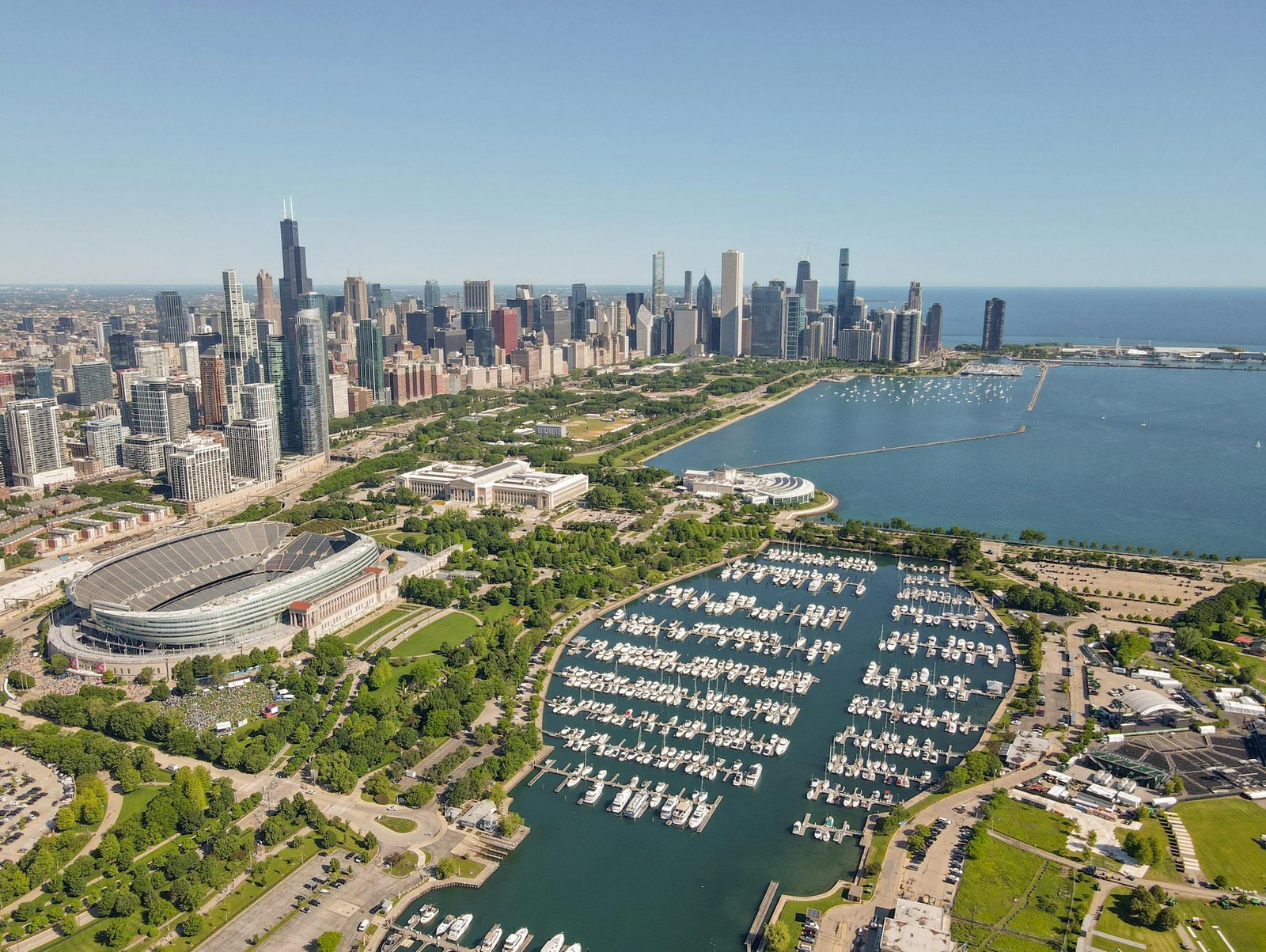
The Chicago skyline is a masterclass in vertical ambition, but the city’s architectural magic lives in its details. Take a stroll down the Magnificent Mile, and you’ll see how Mies van der Rohe’s Seagram Building contrasts with the Art Deco splendor of the Palmolive Building. But the true story of Chicago’s architecture is told in its hidden gems. The Robie House, with its cantilevered terraces and open floor plan, is a lesson in how form follows function. Meanwhile, the Frank Lloyd Wright Home and Studio in Oak Park offers a glimpse into the man behind the myth—complete with his original drafting table and a collection of his early sketches.
For a deeper dive, join an Architecture Foundation of Chicago tour. These expert-led walks reveal secrets like the hidden hydraulic lifts in the Old Post Office or the way the Tribune Tower’s Gothic spire was inspired by medieval cathedrals. You’ll leave with a new lens to view the city—not just as a collection of buildings, but as a living dialogue between innovation and tradition.
But the city’s architectural soul isn’t confined to the past. The Aqua Tower, with its undulating glass façade, is a modern answer to the same question that drove the early skyscrapers: How can a building rise higher without losing its humanity? The answer, in this case, is motion. As the sun sets, the tower becomes a liquid silhouette against the clouds, a reminder that Chicago’s architecture is always evolving.
5. The Hidden Rhythms of Chicago
If you’ve only experienced Chicago during the day, you’ve missed its nocturnal heartbeat. The city’s music scene is a patchwork of genres that reflect its diverse communities. On the South Side, the Chicago Blues Festival in Washington Park turns the park into a tent city of sound, with legends like Buddy Guy and Koko Taylor setting the night alight. Meanwhile, in the West Loop, the Green Mill Cocktail Lounge keeps the jazz tradition alive in a Prohibition-era speakeasy vibe, where patrons sip absinthe under the watchful eye of a taxidermied owl.
But the city’s musical DNA runs deeper. In Pilsen, the annual Lollapalooza festival spills into the streets, where mariachi bands and electronic DJs share the same sidewalk. In Wicker Park, the Empty Bottle venue hosts everything from indie rock to experimental jazz, proving that Chicago isn’t just a city of skyscrapers—it’s a city of sound.
For a truly local experience, head to the Chicago House Music Festival in the South Side. This three-day event, held at the Smart Museum of Art, celebrates the city’s birthplace of house music. It’s here, among the thumping basslines and the sweat-drenched dance floors, that you’ll understand why Chicago’s music scene is as vital as its architecture.
Frequently Asked Questions
What’s the best time to visit Chicago for festivals?
The summer months (June to August) are festival season gold. Riot Fest in August, the Chicago Jazz Festival in July, and the Lollapalooza in August are must-sees. If you prefer autumn, the Windy City Smokeout in October is a highlight.
Are there any hidden gems in the Southland?
Absolutely. The Chicago Botanic Garden in Glencoe is a serene escape, while the Willowbrook Wildlife Center in Glen Ellyn offers a chance to see rescued native animals. For a taste of history, the National Museum of Mexican Art in Pilsen is a free, immersive experience.
What food should I try beyond the deep dish?
Don’t miss the Italian beef sandwich at Portillo’s, the Maxwell Street Polish at Lou Malnati’s, or the soul food at the Checkerboard Lounge. For a sweet finish, visit Garrett’s Popcorn Shop for a Chicago mix of caramel popcorn and chocolate-covered pretzels.
How do I explore Chicago like a local?
Start by avoiding the tourist traps. Instead of the top of the John Hancock Center, take an Architecture Foundation tour. Skip the overpriced river cruises and walk the Lakefront Trail. And always ask a local—whether it’s a bartender or a street musician—for their favorite spot.
This article is for informational and educational purposes only. Always verify current travel information, visa requirements, entry rules, and health guidance with official government sources and qualified professionals before making travel decisions.