

Note: This site participates in the Amazon Affiliates and other affiliate partner programs at no cost to you. Visiting an affiliate partner site may result in this site receiving a commission. For more information visit our Affiliate Disclosure page.
Where you sleep on the Camino runs the full range, from a 12-euro municipal bunk in a room of 30 people to a private double with its own bathroom, to a room in a converted monastery. The choice each night is really two questions: how much company do you want, and are you carrying your own bag or sending it ahead.
This guide covers the types of lodging, what each costs, how booking works, and a few places worth planning your days around.
The short answer
Municipal and parish albergues are the cheapest and the most sociable, and you cannot book most of them; you turn up and take a bed. Private albergues, guesthouses and small hotels cost more, give you more privacy, and can be reserved. If you forward your luggage, you have to book every night, because the bag needs a fixed address. Budget somewhere between 15 and 60 euros a night depending on which way you lean.
There is a middle path that many walkers settle into: book private rooms, but only a day or two ahead. You keep most of the flexibility of walking as far as you feel like, and you avoid the daily race for an albergue bed.
The types of lodging
- Municipal albergues. Run by the town, roughly 10 to 15 euros, bunk beds in shared rooms, basic but clean. First come, first served, no reservations. Pilgrims with a credential only.
- Parish and donation albergues (donativo). Run by churches or pilgrim associations. You give what you can rather than paying a set price, and there is often a shared meal and a short evening gathering. Never book these; just arrive.
- Private albergues. Privately run hostels, around 15 to 25 euros for a dorm bed, sometimes with a few small private rooms at 40 to 55. These take bookings by phone, through booking apps, or online.
- Pensiones and hostales. Small guesthouses with private rooms, shared or en-suite bathrooms, roughly 40 to 65 euros for a double. Common in the villages, often family-run, frequently with a kitchen or a restaurant.
- Hotels. Standard three-star comfort, around 65 to 110 euros, in the larger towns.
- Monastery stays and paradores. Several monasteries along the routes take guests, and a few historic paradores sit right on the path. These are the top of the range, 120 euros and up, and worth picking one or two as a treat.
Prices move with the season and the year. Treat these as rough bands and check current rates when you book.
Booking, and when you cannot
Municipal and donation albergues do not take reservations by design; the bed goes to whoever is standing there. That means an early finish on busy stretches, especially the last 100 kilometres into Santiago and anywhere in July and August.
Private albergues, pensiones and hotels can all be booked ahead, and in peak season it is worth doing so a day or two out. If you are using a bag transfer service, you have no choice: reserve each night before you set off, because the company needs somewhere to deliver the pack.
How far ahead to book is a real decision. Reserve the whole route before you leave and you have removed all uncertainty, but you have also committed to a fixed distance every day whether your feet agree or not. Book nothing and you spend part of each afternoon hunting for a bed. Booking one or two nights ahead, as you walk, is the compromise most people land on: you still get to add a rest day or push on further when you feel strong, but you know where you are sleeping tonight and tomorrow.
A few places worth planning around
On the Camino Francés, some stops are an experience in themselves: the large modern pilgrim hostel at Roncesvalles on the first night out of the Pyrenees; the donation-run parish albergue at Grañón, where pilgrims sleep in the church building and cook and eat together; the monastery stay at Carrión de los Condes on the long meseta section. In Santiago itself, the Seminario Menor is the big budget option, and the parador on the cathedral square is the historic splurge.
How I booked my Camino
I walked the Portuguese Coastal route, twice, and both times I stayed in private rooms rather than albergues. Part of that was wanting my own bathroom, but mostly it was wanting a degree of solitude at the end of the day that a dormitory does not give you. I booked almost everything through Booking.com.
The other choice that shaped the walk was booking only a night or two ahead rather than the whole route. I never knew in the morning how far I would want to go, and keeping the reservations short meant I could stop early in a town I liked, or carry on past my planned end point, without unpicking a chain of bookings.
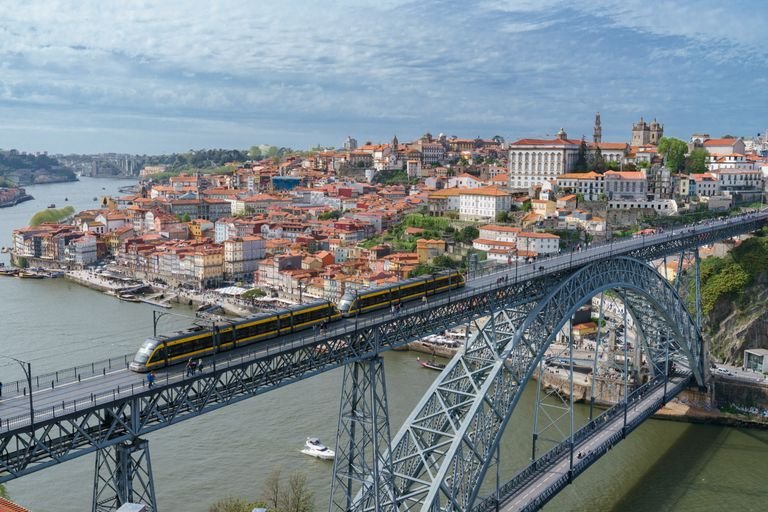
What that bought me was a calm start to the day. On the busier sections I watched pilgrims setting off before first light to be sure of an albergue bed that afternoon. With a room already booked, I could leave after sunrise, walk at whatever pace the day called for, stop for the views, and arrive in the evening without once worrying about where I would sleep. On the Portuguese Coastal route this is easier than on the Francés anyway: there are fewer municipal albergues and more small pensions and family hotels, and Porto at the start and Vigo further north both make good places to stop for an extra night off the trail.
Practical points
- You need a stamped credential to stay in an albergue. Non-pilgrims use hotels and guesthouses.
- Albergues typically have a curfew around 22:00 and clear you out by 08:00.
- Bring earplugs and an eye mask. Dorms are never silent.
- Many albergues have a kitchen and a washing machine, or a sink and a line for hand washing.
- Keep your sleeping bag off the floor and your pack closed. Bedbugs turn up occasionally in high season; it is not common, but a little care helps.
Still working out the pack? Camino de Santiago Packing List →
Frequently asked questions
Do I need to book accommodation on the Camino?
Not for municipal and donation albergues, which do not take bookings. Yes for private rooms in peak season, and yes every night if you are forwarding your luggage.
How much should I budget per night?
Roughly 15 to 25 euros a night if you stay mostly in albergues, 40 to 65 if you want a private room most nights, more in the cities.
How far ahead should I book?
For albergues, you cannot; for private rooms, a night or two ahead is enough outside the peak weeks and keeps your daily distance flexible. Booking the whole route in advance removes the guesswork but locks you into a set pace every day.
What is a donativo albergue?
One that asks for a donation rather than a fixed price, usually church or association run, often with a communal meal. Give what the stay is worth to you and what you can afford.
Can non-pilgrims stay in albergues?
Generally no. Albergues require a pilgrim credential. Anyone can stay in the pensiones and hotels along the route.
Are single and double rooms available along the way?
Yes. Private albergues, pensiones and hotels all offer private rooms in most towns, so you can walk the whole route without ever sleeping in a dorm if you prefer.
Where to go next
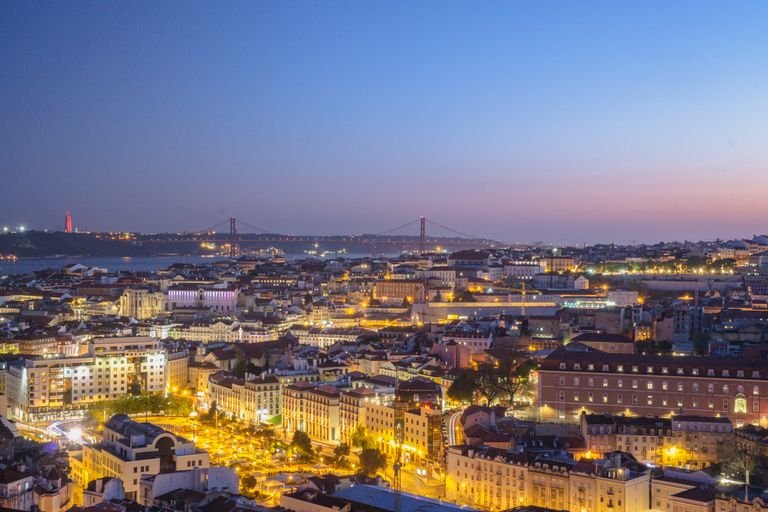
Packing for the walk? See the Camino de Santiago Packing List. Want to understand the credential and the certificate? Read Camino de Santiago Stamp Culture. Thinking about the Portuguese route from Lisbon? Start with How to Walk the Camino from Lisbon. More pilgrimage planning sits on the Pilgrimages and Scenic Walks hub.
This article is for informational and educational purposes only. Always verify current travel requirements with official government sources before making travel decisions.
Partner resource. We may earn a commissionCompare places to stay (Booking.com) →