
Note: This site participates in the Amazon Affiliates and other affiliate partner programs at no cost to you. Visiting an affiliate partner site may result in this site receiving a commission. For more information visit our Affiliate Disclosure page.
Japan rewards a first visit more than almost anywhere. It is easy to travel, safe, endlessly varied between regions, and currently good value for anyone paying in dollars or euros. Here are ten concrete reasons to go, and what to do about each.
The short answer
Go for the combination: a rail network that makes the whole country reachable without a car, food that is excellent at every price, working temples and hot-spring towns, four distinct seasons you can plan around, and cities that genuinely differ from one another. Two weeks lets you see Tokyo, the Kansai region and one area beyond them without rushing.
1. It runs on rails
The Shinkansen links the main cities at 250 to 320 km/h, and dense local networks cover the rest. You do not need to drive anywhere most visitors go. Get a Suica or ICOCA IC card on arrival, tap through the gates, and use individual tickets or a regional pass for the longer hops. Our guide to getting around Japan without a car covers the details.
2. Food, high and low
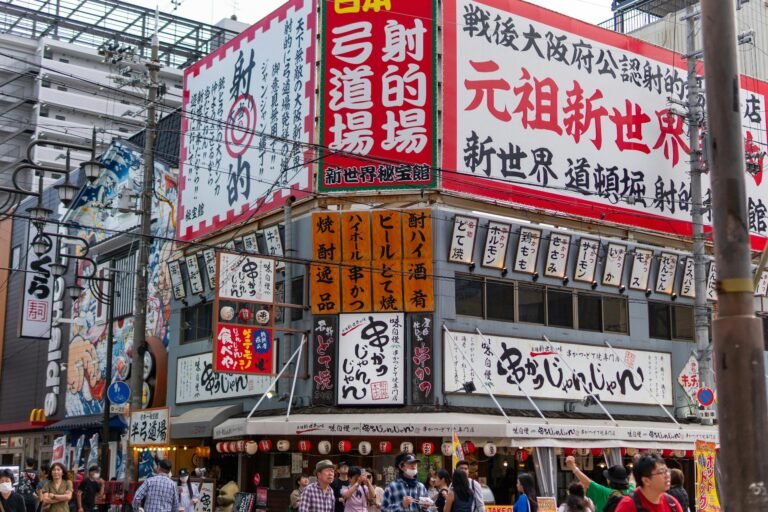
Tokyo holds more Michelin stars than any other city, but the everyday food is the real reason to come. Standing sushi bars, ramen counters, izakaya, and the basement food halls of every department store. Each region has its own dish: takoyaki in Osaka, layered okonomiyaki in Hiroshima, tonkotsu ramen in Fukuoka, seafood rice bowls in Hokkaido.
3. Temples and shrines that are still in use
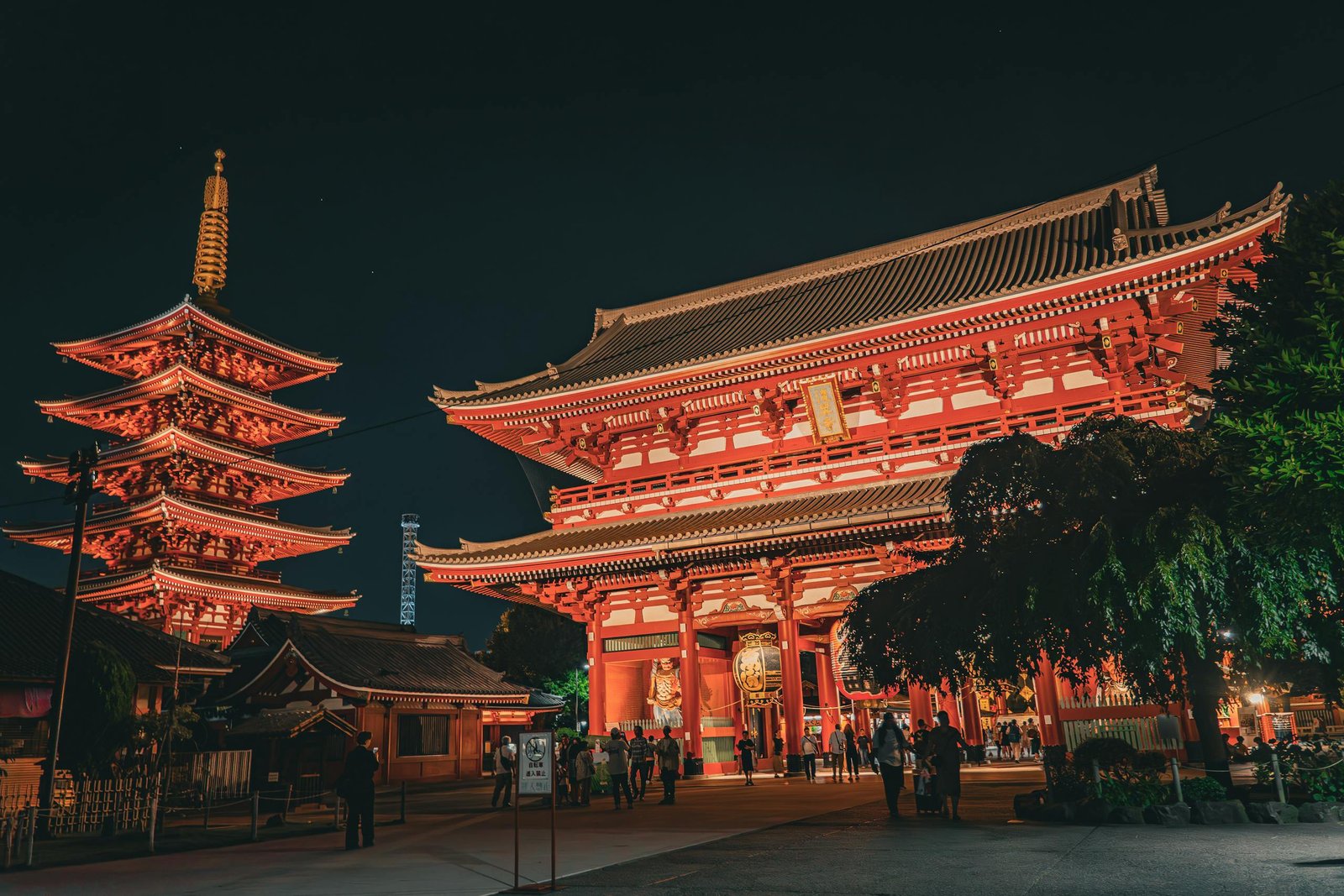
Kyoto and Nara have the famous ones, but shrines and temples are woven through every town, and they are active places of worship rather than museums. The Kumano Kodo pilgrimage trails in the Kii mountains are a way to walk between them for days.
4. Hot-spring towns
An onsen is a natural hot-spring bath, and whole towns are built around them: Hakone within reach of Tokyo, Kinosaki on the Sea of Japan coast, Kusatsu and Beppu further out. You stay in a ryokan, wear a yukata, bathe before and after dinner, and eat a multi-course meal in your room. It is one of the most distinctive things you can do in the country.
Working out the trains? Getting Around Japan Without a Car →
5. It is safe and easy to navigate
Crime against visitors is very low, lost property tends to come back, and you can walk anywhere at night in the cities. Station signage, ticket machines and train announcements are in English on the routes tourists use, and Google Maps gives accurate train directions.
6. The seasons are an event
Cherry blossom moves north across the country from late March into April, tracked by daily forecasts you can plan a trip around. Autumn colour peaks in November. Both are busy and worth it. Summer is hot and humid; winter brings snow to the north and to the Japan Alps, and the powder skiing in Hokkaido is world class.
7. The cities are genuinely different
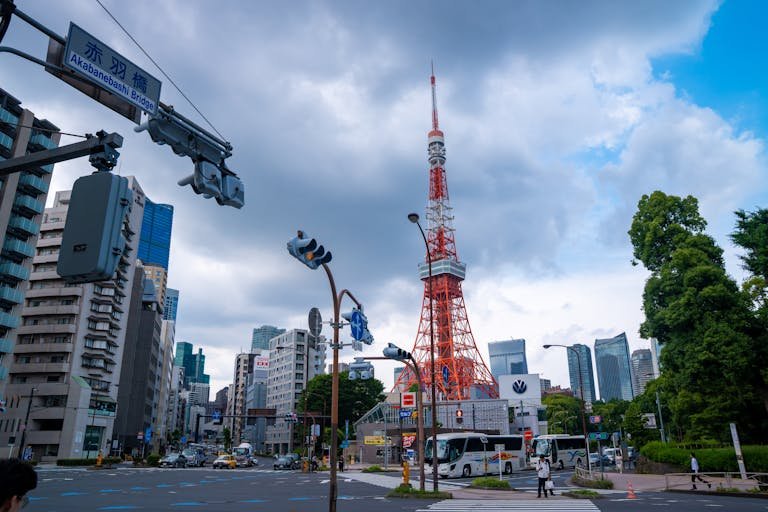
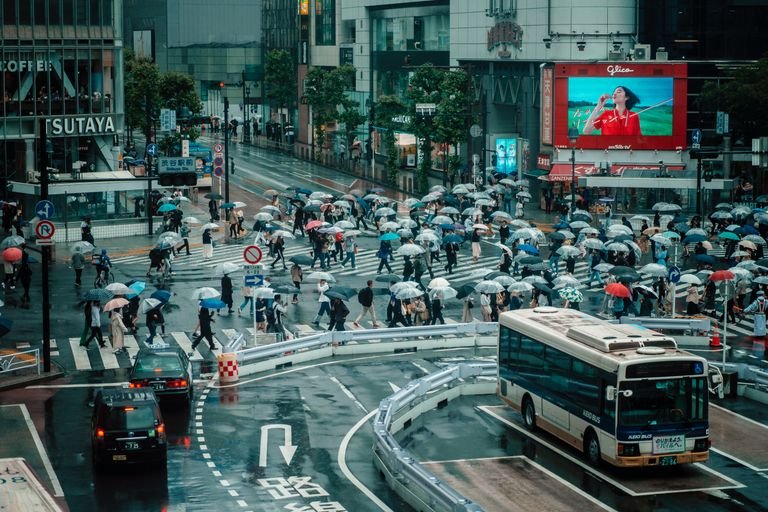
Tokyo is vast and fast. Osaka is louder, cheaper and food-obsessed. Kyoto is low-rise and historic. Sapporo and Fukuoka have their own regional character. Visiting two or three in one trip is a big part of the appeal.
8. The mountains and the long trails
Beyond the cities, Japan is mostly mountains. The Japan Alps, the Kumano Kodo, the old Nakasendo highway between Magome and Tsumago, and day hikes near almost every hot-spring town. Mount Fuji is climbable in July and August and visible from a lot further away the rest of the year.
9. Craft and design
Japanese knives, ceramics, textiles, paper and joinery are all still made at a high level. Tokyo’s Kappabashi district is blocks of kitchenware and knife shops. Regional centres like Seki for blades and Arita for porcelain are day trips. Even the packaging and the train-station bento are worth paying attention to.
10. It is currently good value
The yen has been weak against the US dollar and the euro for the past few years, which has made hotels, meals and transport noticeably cheaper for foreign visitors than they were a decade ago. Exchange rates move, so check before you book, but the mid-2020s have been an unusually affordable time to visit Japan.
Frequently asked questions
How many days do you need in Japan?
Ten days is a workable minimum for a first trip covering Tokyo, Kyoto and Osaka. Two weeks lets you add one more region, such as Hiroshima and Miyajima, the Japan Alps, or a few days in a hot-spring town.
When is the best time to visit Japan?
Late March to April for cherry blossom, and October to November for autumn colour and mild weather. Both are peak season. May and early June are quieter and still pleasant. Avoid the Golden Week holidays in late April and early May, when domestic travel is at its heaviest.
Do I need to speak Japanese to travel in Japan?
No. Transport, major sights and city restaurants are manageable with English and a translation app. A few polite phrases help, and rural areas need more patience, but language is not a barrier to a standard first trip.
Is the Tsukiji fish market still worth visiting?
The inner wholesale market and its tuna auction moved to Toyosu in 2018. The Tsukiji Outer Market of food stalls, knife shops and small restaurants stayed where it was and is still a good morning out.
What I have found
I have travelled Japan several times and never once rented a car. An IC card and individual train tickets have always been enough, and I checked a Japan Rail Pass against my plans each time and found it did not pay off for the way I travel. On one trip I walked the Kumano Kodo into Hongu and registered as a Dual Pilgrim there. In Tokyo I based myself outside the centre, rode the metro in daily, spent a morning among the knife shops in Kappabashi, saw a Kabuki performance, and took an organised bus tour out to the Mount Fuji viewpoints. None of it required much planning once I was on the ground.
Where to go next
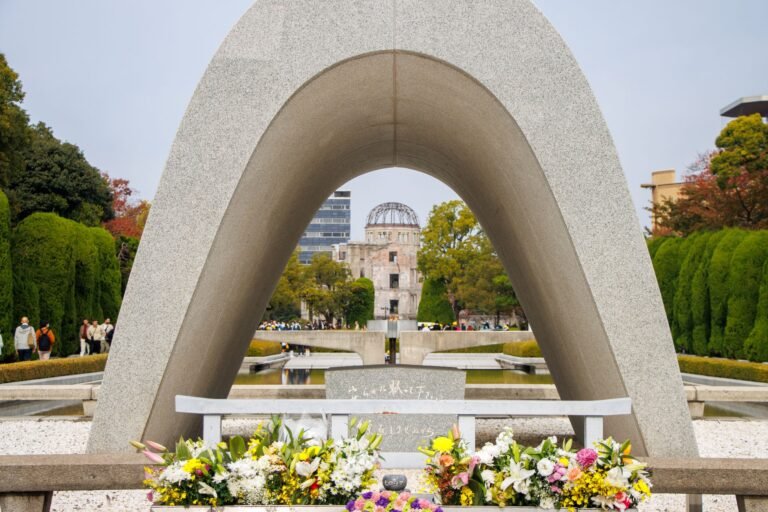
For the cities themselves, read why visit Tokyo, why visit Osaka and why visit Hiroshima. To plan the transport, see getting around Japan without a car. Everything we have written on the country sits on the Japan hub.
This article is for informational and educational purposes only. Always verify current travel requirements with official government sources before making travel decisions.
Partner resource. We may earn a commissionBook Japan rail passes & activities (Klook) →