

Note: This site participates in the Amazon Affiliates and other affiliate partner programs at no cost to you. Visiting an affiliate partner site may result in this site receiving a commission. For more information visit our Affiliate Disclosure page.
Lombok sits directly east of Bali, close enough for a 30-minute flight or a fast boat, and it is the island many travellers now use to get Bali’s tropical appeal without Bali’s traffic and crowds. It is quieter, less developed, and more Muslim than Hindu in character, and it rewards people who are happy to trade polish for space. This is a first look at what Lombok offers and how a trip there fits together.
Beaches and the south coast
Lombok’s south coast is the main draw. Kuta, not to be confused with the Bali resort of the same name, has become the island’s traveller hub, with a long beach, a growing cluster of cafes and guesthouses, and consistent surf that suits beginners and improvers. Within a short ride are Tanjung Aan, a double bay of pale sand and clear shallow water, and Mawun and Selong Belanak, both wide, calm and good for a slow beach day. Merese Hill, above Tanjung Aan, is the standard spot for sunset over the coastline.
Mount Rinjani
The island’s interior is dominated by Mount Rinjani, an active volcano of 3,726 metres (about 12,224 feet) and the second-highest peak in Indonesia. The classic trek is a two or three day guided climb to the crater rim, with a view down to the Segara Anak crater lake, and it is genuinely demanding: steep loose ground, cold nights and long days. Shorter rim-only variants exist. The trekking season runs roughly April to December; the mountain closes in the wettest months and after seismic activity, so check its status before you plan around it.
Comparing Asian destinations? Browse the Asia hub →
The Gili Islands
Off the northwest coast lie the three well-known Gili islands, Gili Trawangan, Gili Meno and Gili Air, reached by boat from Bangsal or direct fast boats from Bali. There are no cars or motorbikes on them; you walk, cycle, or take a pony cart. Trawangan is the liveliest, Meno the quietest, Air a middle ground. All three have clear water and reef within swimming distance of the beach, and turtles are common on the snorkelling routes. Smaller, less-visited Gilis sit off the southwest coast near Sekotong for anyone wanting more solitude.
Villages and crafts
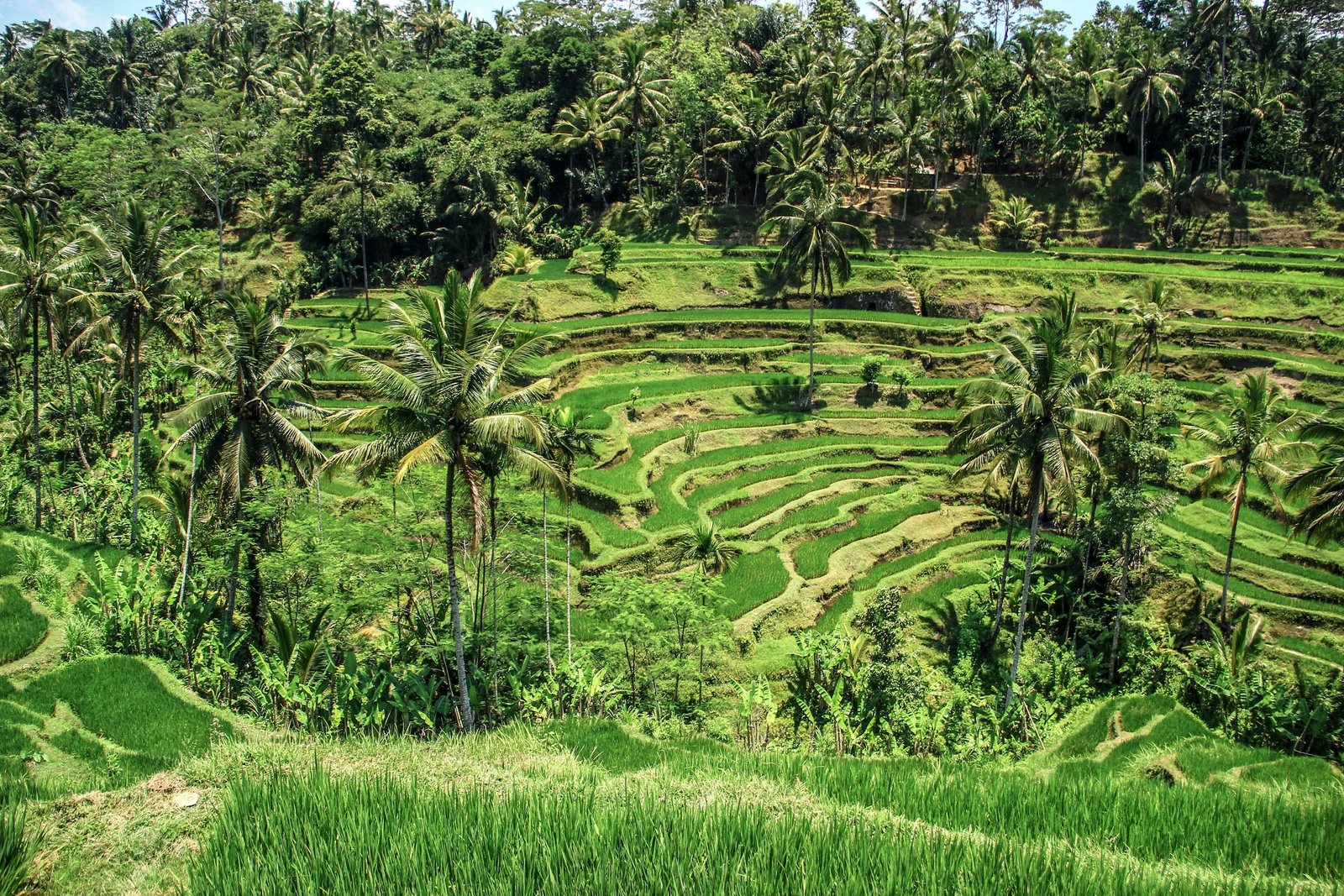
Inland Lombok is where you meet Sasak culture, the island’s indigenous majority. Sade and Ende, near Kuta, are traditional villages set up for visitors, with thatched houses, buffalo-dung floors and hand weaving. Tetebatu, in the cooler foothills of Rinjani, is a base for rice-terrace and waterfall walks. Banyumulek is a pottery village, and Sukarara is known for its songket weaving. Lingsar Temple, west of Mataram, is an unusual shared site where Hindu and local Wektu Telu traditions worship in the same complex.
Planning a trip
Flights land at Lombok International Airport (LOP) in the south, about 20 minutes from Kuta and an hour from the Senggigi coast. From Bali, the fast boats run mostly to the Gilis and to Bangsal rather than to the airport side, so match your entry point to where you want to start. Getting around the island itself means hired drivers, rented scooters, or app-based ride hailing near the towns; there is no useful public transport network for visitors.
Lombok is generally cheaper than Bali for food and lodging, with options from simple guesthouses to a handful of upmarket resorts. The dry season, roughly April to October, is the most reliable time to go. It stays warm year round.
Frequently asked questions
Is Lombok a good alternative to Bali?
Yes, if you want the beaches, the diving and the volcano scenery with far fewer people, and you do not mind less nightlife, fewer restaurants and a more conservative atmosphere. Many travellers do both on one trip.
How do I get from Bali to Lombok?
A short flight between Denpasar and Lombok airports, or a fast boat. Most fast boats go to the Gili Islands or to Bangsal in the north, not to the airport in the south, so choose the crossing that matches where you want to be.
Do I need to trek Rinjani to enjoy Lombok?
No. The south-coast beaches, the Gili Islands and the inland villages are a full trip on their own. Rinjani is a serious multi-day climb and closes seasonally and after seismic activity.
Is Lombok safe and easy for independent travel?
It is straightforward for most visitors. Dress a little more modestly than on Bali, especially away from the beaches and during Ramadan. Roads are quiet but rough in places, and medical facilities are limited outside Mataram.
When is the best time to visit?
The dry season, April to October, for settled weather and open trekking. The wet season brings heavy afternoon rain and rougher boat crossings.
Where to go next
Lombok pairs naturally with Bali and with the wider region. For how it sits alongside other destinations in the area, see the Asia hub.
This article is for informational and educational purposes only. Always verify current travel requirements with official government sources before making travel decisions.
Partner resource. We may earn a commissionBook Lombok treks & island trips (Viator) →