
Note: This site participates in the Amazon Affiliates and other affiliate partner programs at no cost to you. Visiting an affiliate partner site may result in this site receiving a commission. For more information visit our Affiliate Disclosure page.
Hakone is the mountain and hot-spring region about 90 minutes southwest of Tokyo, and it is the trip most people make first when they want a night out of the city. The draw is a combination of things: onsen ryokan, a lake with Mount Fuji behind it on a clear day, an active volcanic valley you cross by ropeway, and a cluster of genuinely good art museums. It works as a long day trip and is better as one night.
Getting there and the Hakone Free Pass
Trains run from Shinjuku in Tokyo to Hakone-Yumoto on the Odakyu line. The Romancecar limited express does it in around 90 minutes with a reserved seat and a surcharge of roughly 1,200 yen; the regular express is slower, cheaper and needs a change at Odawara.
Most visitors buy the Hakone Free Pass, sold as a 2-day or 3-day ticket. It covers the round trip from Shinjuku plus unlimited use of the whole Hakone transport network: the mountain railway, the cable car, the ropeway, the sightseeing boats on Lake Ashi, and the Tozan buses. If you plan to do the loop below, it almost always costs less than paying for each leg.
Basing yourself in the city first? Best Things to Do in Tokyo →
The Hakone loop
The classic circuit strings the region’s transport together into a half or full day. From Hakone-Yumoto, the Hakone Tozan Railway climbs to Gora on a line so steep the train reverses direction at three switchbacks. From Gora a cable car runs up to Sounzan, where the Hakone Ropeway carries you over the ridge and down to Lake Ashi, passing directly above Owakudani on the way. A sightseeing boat then crosses the lake to Moto-Hakone or Hakone-machi, and a Tozan bus returns you to Yumoto. You can run it in either direction.
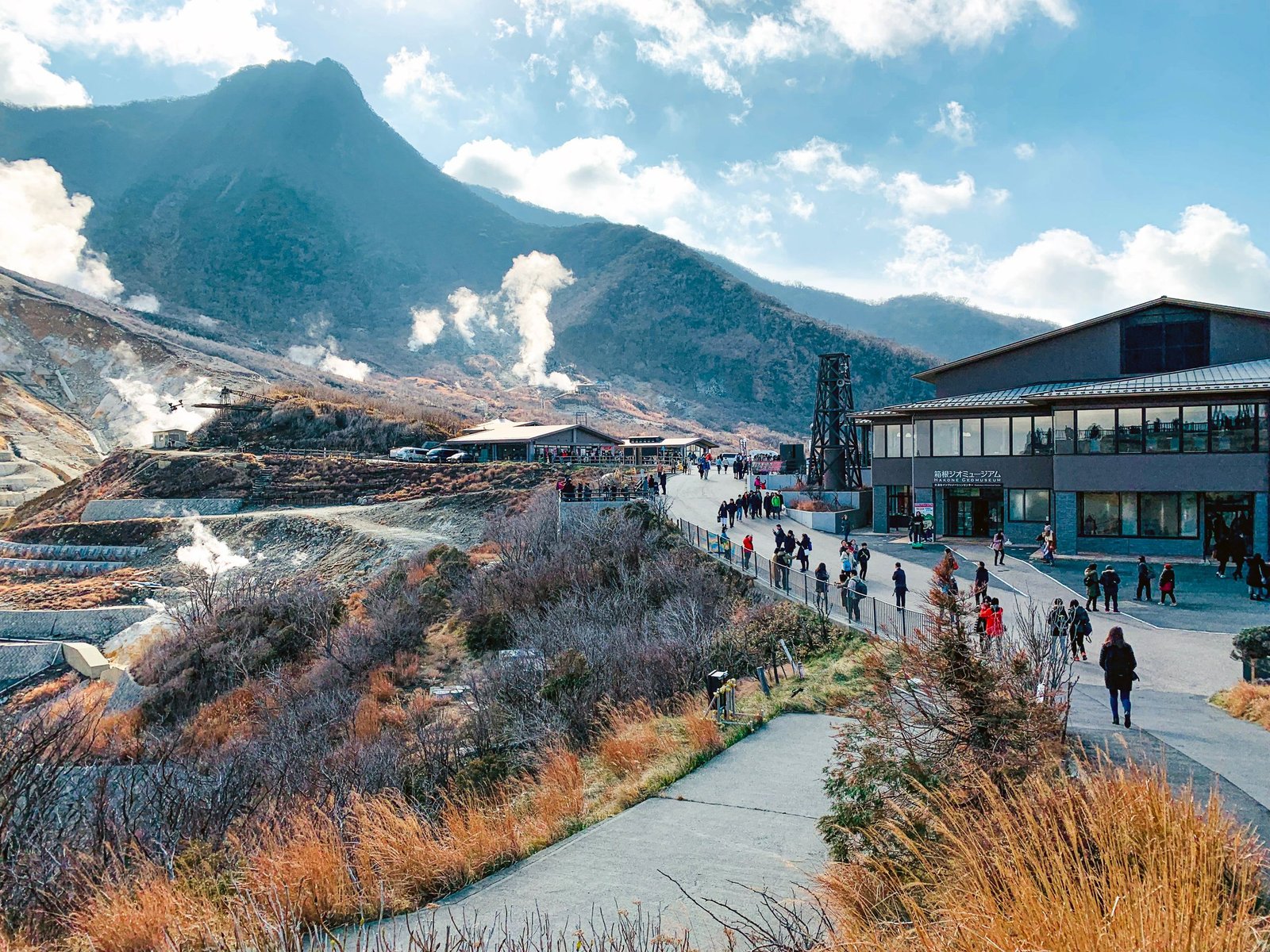
Owakudani is the high point of the ride: a raw sulphur valley of steaming vents left by an old eruption. The local speciality is kuro-tamago, eggs hard-boiled in the hot spring water until the shells turn black; folklore says eating one adds seven years to your life. The ropeway and the valley close at short notice when volcanic gas readings rise, so check the Hakone Ropeway status on the morning you plan to go, and have the bus route as a fallback.
Lake Ashi and Hakone Shrine
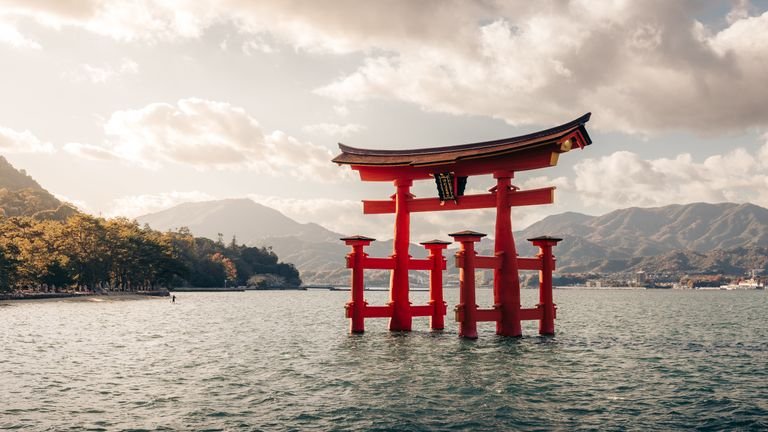
Hakone Shrine sits in cedar forest on the south shore of the lake. Its vermilion Peace Torii stands in the water at the shoreline and is the photograph almost everyone comes for, which means a queue during the day. The shrine’s own paths, staircases and old cedar avenue are much quieter.
Along the same shore, a preserved stretch of the old Tokaido, the Edo-era highway between Kyoto and Edo, runs under ancient cedars to the reconstructed Hakone Checkpoint (Hakone Sekisho), the barrier station where the shogunate once controlled movement along the road. The Amazake Chaya teahouse further along the old route has been serving travellers the same sweet rice drink for around 400 years.
The art museums
Hakone has an unusually strong set of museums for a rural area:
- Hakone Open-Air Museum: a hillside sculpture park with a dedicated Picasso pavilion and works you walk among. The easiest choice with children.
- Pola Museum of Art: Impressionist and modern painting in a low building sunk into the forest, with a short woodland walk attached.
- Hakone Museum of Art: the region’s oldest, paired with the Shinsenkyo moss garden, which is at its best when the maples turn.
- Narukawa Art Museum: modern Japanese-style painting, with a picture window framing the lake and, on a clear day, Fuji.
Onsen and staying overnight
The reason to spend the night is the bathing. Hakone has several hot-spring areas, including Yumoto, Miyanoshita, Gora and Sengokuhara, and a room in a ryokan with its own bath is what most visitors are really coming for. If you are not staying over, day-use bathhouses near Hakone-Yumoto, such as Tenzan, let you soak without a room.
Hakone-Yumoto is the busiest and most convenient base, with the station, shops and the bus hub. Gora and Sengokuhara are calmer and higher up. Note that many ryokan and public baths still refuse guests with visible tattoos; some allow a cover patch or have private baths you can reserve, so check before you book.
When to go
Mid-November, for the autumn colour, is the peak and the most crowded. Hydrangeas line the mountain railway in June. Winter is quiet and gives the best odds of a clear view of Fuji, since summer haze often hides it. The pampas grass field at Sengokuhara is a draw in October. On any weekend or a holiday Monday the loop is slow and the ropeway queues are long; travel midweek if you can.
Frequently asked questions
Is Hakone a day trip or an overnight?
Both work. A day trip from Tokyo covers the loop, the lake and one or two museums. An overnight adds a ryokan onsen and takes the rush out of the day.
Is the Hakone Free Pass worth buying?
For anyone coming from Tokyo and doing the transport loop, almost always yes. It bundles the round trip from Shinjuku with every leg of the circuit.
Will I actually see Mount Fuji?
There is no guarantee. The best chances are clear mornings in the colder months, seen from Lake Ashi, Owakudani or the ropeway. In summer it is often lost in haze.
Can I use the onsen if I have tattoos?
Not always. Many baths still turn away visible tattoos. Look for ryokan with private or bookable baths, or bathhouses that allow cover patches, and confirm the policy before booking.
Is Owakudani always open?
No. The ropeway and the valley shut on short notice when volcanic gas levels are high. Check the Hakone Ropeway website the morning you go, and use the parallel bus if it is closed.
Where to go next
If Hakone is one stop on a wider Japan trip, start with 10 Reasons to Visit Japan and Best Things to Do in Tokyo. Everything we have written on the country sits on the Japan hub.
This article is for informational and educational purposes only. Always verify current travel requirements with official government sources before making travel decisions.
Partner resource. We may earn a commissionCompare Hakone ryokan & hotels (Booking.com) →