Note: This site participates in the Amazon Affiliates and other affiliate partner programs at no cost to you. Visiting an affiliate partner site may result in this site receiving a commission. For more information visit our Affiliate Disclosure page.
The Pilgrimage of Stamps: Exploring the Spiritual Pathways of Kumano Kodo
Imagine walking along a path steeped in centuries of spiritual tradition, each step bringing you closer to a deeper understanding of the spiritual and cultural history of Japan. The Kumano Kodo, a network of ancient pilgrimage routes stretching through the Kii Peninsula, offers a unique way to connect with this heritage. What makes this journey even more special is the practice of collecting stamps at sacred sites along the way. These stamps, known as oshi-e, serve as tangible memories of your journey and the profound experiences it brings. With over 100 oshi-e sites to visit, the Kumano Kodo offers a rich tapestry of spiritual and cultural exploration.
Discovering the Spirit of the Kumano Kodo
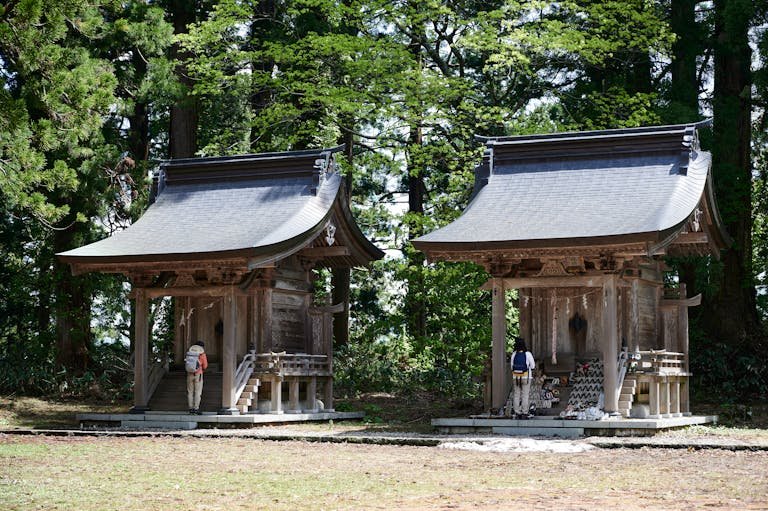
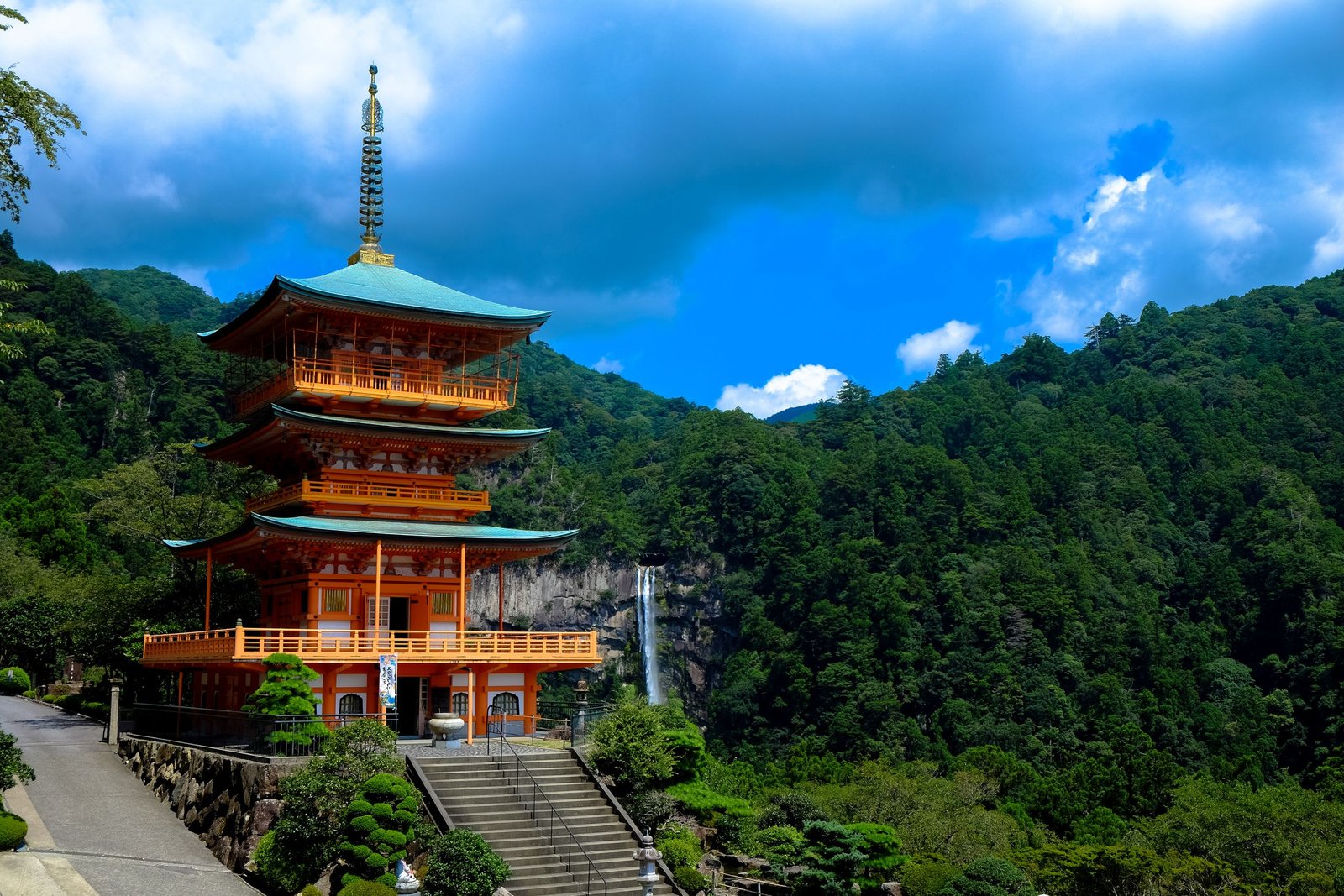
The Kumano Kodo, a UNESCO World Heritage site, is a network of trails that have been used for pilgrimage since the 9th century. Stretching across the Kii Peninsula, the routes connect three of Japan’s most sacred shrines: Kumano Sanzan, Hongu Taisha, Shingu, and Nachi Taisha. These routes have been walked by emperors, samurai, and commoners alike, all seeking spiritual purification and enlightenment.
Prices and availability in Kumano Kodo change fast – especially around peak season. Here’s a live look at what’s available for your dates. Booking.com

The practice of collecting stamps at shrines and temples along the Kumano Kodo is a modern adaptation of the traditional pilgrimage customs. Visitors are given a booklet or a special folder to collect these stamps as a form of spiritual memento. Each stamp not only marks a milestone of your journey but also serves as a spiritual reminder of the significance of the places you have visited.
Key Sites and Stamp Locations
Among the most notable sites for collecting stamps are:
- Yoshino-Kumano National Park: This expansive park houses many of the shrines and temples along the pilgrimage routes, including the famous Nachi Taisha, home to Japan’s tallest waterfall.
- Totemi no Michi (Way of the Eight Provinces): This route connects the heart of the peninsula with its coastal areas, featuring over 30 stamping points at various temples and shrines.
- Omine Okugakki Route: Known for its rugged terrain, this route offers a challenging yet spiritually rewarding journey, with multiple points for stamp collection.
While these sites are particularly noted for their stamp collection opportunities, the entire route offers a wealth of spiritual and cultural experiences.
Practical Tips for Collecting Stamps Along the Kumano Kodo
Embarking on the Kumano Kodo pilgrimage is an experience that requires careful planning to ensure a rewarding and memorable journey. Here are some practical tips to help you make the most of your pilgrimage:
Timing Your Visit
The best time to visit the Kumano Kodo is during spring and autumn, when the weather is mild and the scenery is at its most beautiful. The fall, in particular, is a stunning time to witness the vibrant colors of the foliage.
Getting There
Access to the Kumano Kodo can be via several means:
- By Train: The nearest major city is Osaka, from which you can take a train to Tanabe or Kii-Tanabe.
- By Bus: Regular bus services connect Osaka and Kyoto to various points along the pilgrimage routes.
- By Car: For those preferring the flexibility of a personal vehicle, driving to the region is also possible. Car rentals are available in Osaka and other nearby cities.
Essential Gear
Equipping yourself with the right gear is crucial for a comfortable and enjoyable pilgrimage:
- A sturdy pair of hiking boots to navigate the terrain.
- A backpack to carry your essential items, including your stamp collection book or folder.
- A map of the pilgrimage routes and a guidebook for historical context.
- Weather-appropriate clothing and layers for changing conditions.
Logistics and Costs
The cost of a pilgrimage along the Kumano Kodo varies based on your mode of transportation, length of stay, and accommodation choices. A moderate budget can suffice if you are flexible and willing to stay in lodgings that offer a simple, traditional experience. Expect to budget around ¥50,000 to ¥100,000 for a week-long trip, including transportation, food, and accommodation.
Concluding Your Journey
Collecting stamps along the Kumano Kodo is not just a physical act of walking but a spiritual journey of self-discovery and cultural appreciation. By engaging with the historical and cultural significance of each site, you not only enrich your own experience but also contribute to the preservation and sharing of this invaluable heritage.
As you plan your pilgrimage, remember that the true value lies not in the stamps you collect but in the profound connections you forge with the ancient traditions and the natural beauty of the Kumano Kodo. This journey promises to be a transformative experience that will stay with you long after your footsteps have ceased.