
Note: This site participates in the Amazon Affiliates and other affiliate partner programs at no cost to you. Visiting an affiliate partner site may result in this site receiving a commission. For more information visit our Affiliate Disclosure page.
I have traveled around Japan several times and never rented a car. On every trip I also did the math on the Japan Rail Pass against what I actually planned to do, and for me it was not cost-effective. This guide explains what the pass is, how to decide whether it pays off for you, and what I used instead.
Understanding the Japan Rail Pass
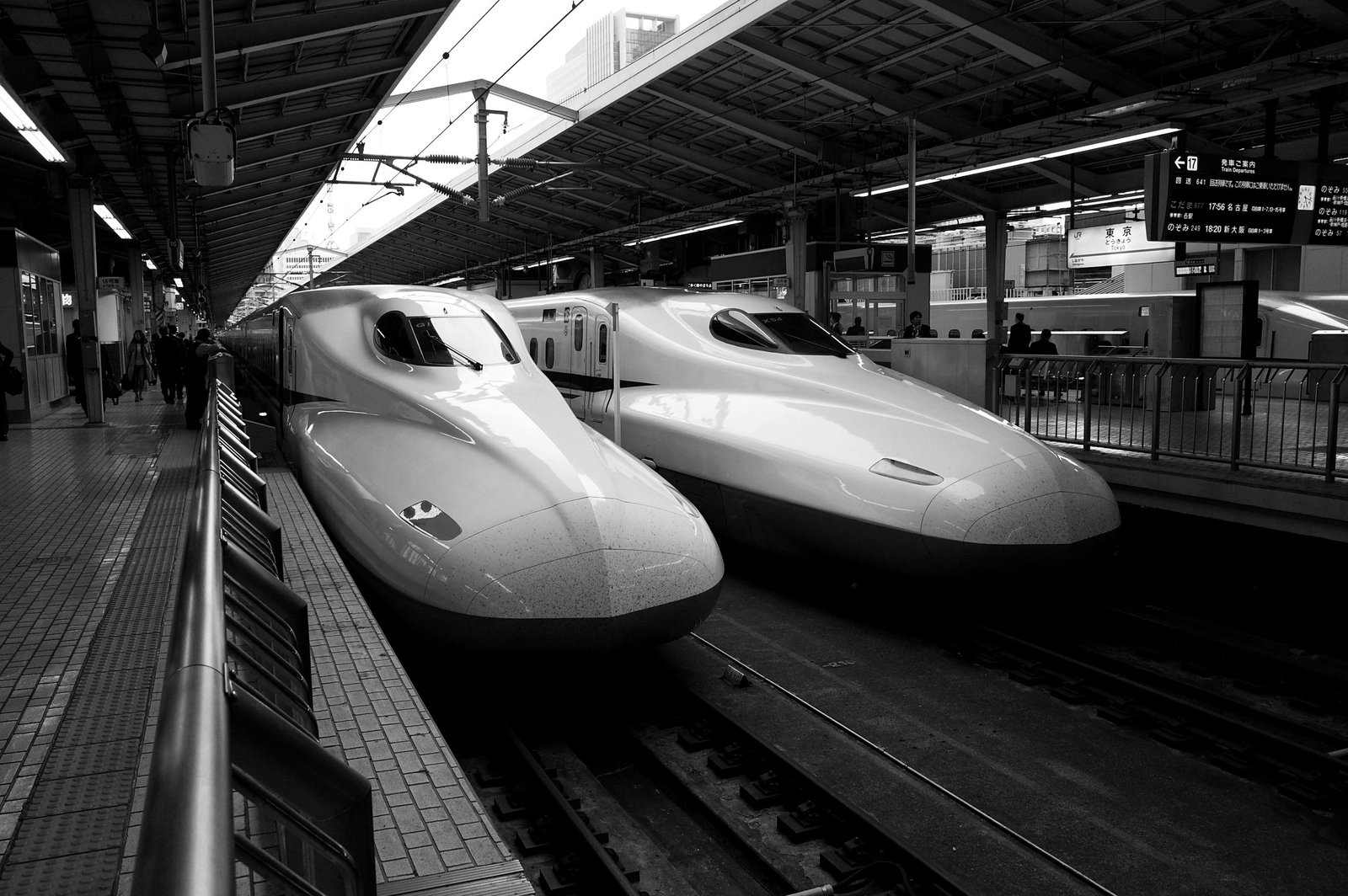
The Japan Rail Pass is a travel pass for international visitors that covers the JR (Japan Railways) network, including most Shinkansen bullet trains and regional JR lines. It comes in 7-, 14- and 21-day versions, and the days are consecutive. It does not cover private railways or city subway systems, which you will use a lot in cities like Tokyo and Osaka. Prices have risen in recent years and JR announced another increase from October 2026, so check the official Japan Rail Pass website for current prices, which trains are covered, and exactly how to exchange or activate the pass.
Do the Math Before You Buy
The pass only pays off when your itinerary is rail-heavy. The reliable way to decide is to list the actual legs you plan to ride, price each one as an individual ticket, add them up and compare the total with the pass price for your trip length. If your trip is based around one or two cities with a few day trips, the pass often loses.
That is how it worked out for me. Getting around Japan by train, metro, bus and taxi is easy and cost-efficient even on individual tickets, so I skipped the pass.
Compare that with Switzerland, where I used a Swiss Travel Pass on a train-heavy trip (Zürich, Zermatt, Geneva, Bern and Lucerne) and added lake ferries and cable cars. There the pass was clearly cheaper than buying tickets one by one. The lesson is the same in both countries: the right choice depends on the itinerary, not on what other travelers say.
What I Used Instead: An IC Card and Single Tickets
- Buy and preload an IC card (ICOCA, Suica and similar). It makes entering and leaving stations far easier, and short metro hops become painless.
- Buses: some accept IC cards. Those that do not need cash, and exact change is preferred for speed, though many drivers will make change.
- JR ticket machines: the kiosks I used in Hiroshima and Osaka had an English language option and took both cash and credit cards for individual tickets.
On my trips I covered Tokyo, Kyoto, Osaka, Hiroshima and the Kumano Kodo this way. In Tokyo I stayed outside the downtown core to save money and rode the metro in each day, mostly exploring on foot. In Hiroshima I used the streetcar, train and bus; in Osaka the metro, train and bus.
If You Do Buy the Pass
If your math says the pass wins, a few habits help:
- Plan your key destinations in order before you activate it, since the pass runs for a fixed number of consecutive days and cannot be extended once it is in use.
- Reserve Shinkansen seats in peak seasons such as Golden Week (late April to early May) and Obon (mid-August). You do not need reservations for local trains.
- Check which trains are covered. The fastest Shinkansen services have required a surcharge on the pass, so confirm on the official site before you plan around them.
- Expect to buy other tickets anyway. The pass does not cover subways or private railways, so you will still want an IC card.
FAQs for First-Time JR Pass Users
Is the Japan Rail Pass worth it? It depends on your itinerary. Add up the individual fares for your planned rides and compare them with the pass price. For my own trips, which were city-based and did not need long-distance rail every few days, it was not cost-effective.
Can I use the JR Pass for all trains in Japan? No. It covers the JR Group network only, not private railways or city subway systems.
Do I need a car in Japan? I never did. Local transport was good enough to reach everything I wanted to see.
This article is for informational and educational purposes only. Always verify current travel information, visa requirements, entry rules, and health guidance with official government sources and qualified professionals before making travel decisions.