

Note: This site participates in the Amazon Affiliates and other affiliate partner programs at no cost to you. Visiting an affiliate partner site may result in this site receiving a commission. For more information visit our Affiliate Disclosure page.
The pack question on the Camino de Santiago is really two questions: how big a bag, and are you carrying it or sending it ahead. Get those right and the specific brand barely matters. Here is how to decide, with what actually ends up in the bag.
The short answer
If you carry your own bag, keep it to about 10% of your body weight and use a 30-40 litre pack. If you use the daily luggage-transfer service, cheap and common on the Camino now, you only carry a 10-20 litre daypack, and your main bag can be anything that survives being handled. Decide this before you buy anything.
Carry it, or send it ahead?
Luggage-transfer services, Correos’ “Paq Mochila,” Jacotrans and others, move your bag between accommodations for roughly €5-9 a stage. You leave it at reception by about 8:00 with a tag and a payment envelope; it is at the next place by mid-afternoon.
- For it: you walk with 3-5 kg instead of 8-12, with far less fatigue and much lower blister risk. Older knees and backs cope with the distance that otherwise would not.
- Against it: the cost adds up over weeks; you must book accommodation ahead, so no deciding at lunchtime where to stop; and your things are not with you during the day.
Most people who start out carrying everything switch within a few days.
Wondering what else to pack? Camino de Santiago Packing List →
What I actually did
On my first Camino my walking companion and I carried full hiking packs, and we were sore after about 20,000 steps, 10 to 15 km was our daily limit. A hotel in Viana do Castelo pointed us at the luggage service; we tried it the next day for around €6-8 and arrived noticeably fresher, walking 15 to 20 km with just the pack’s zip-off 10-litre daypack. On my second Camino I used the transfer every day from the start, and never regretted it.
If you are carrying: pack size and fit
Thirty to forty litres is the range for a self-carried Camino pack. Fit matters more than brand. The hip belt should carry most of the weight, not your shoulders; buy it at a shop that will load it with weight and adjust it to your torso length.
Packs pilgrims commonly rate for the Camino, check current capacity, weight and price, since models change:
| Pack | Capacity | Good for |
|---|---|---|
| Osprey Talon / Tempest | ~33 L | All-round Camino carry, ventilated back |
| Deuter Speed Lite | ~30 L | Lighter loads, faster walkers |
| Osprey Exos / Eja | ~38 L | Longer routes, still light |
| Gregory Zulu / Jade | ~30 L | Heavier loads, strong suspension |
If you are forwarding: the daypack
Ten to twenty litres. What goes in it: water, snacks, a light rain layer or small umbrella, passport, phone, a small camera, wallet, a blister kit, and a warm layer. Everything else is in the forwarded bag, and most gaps you discover can be filled at a shop in the next town.
What goes in the main bag
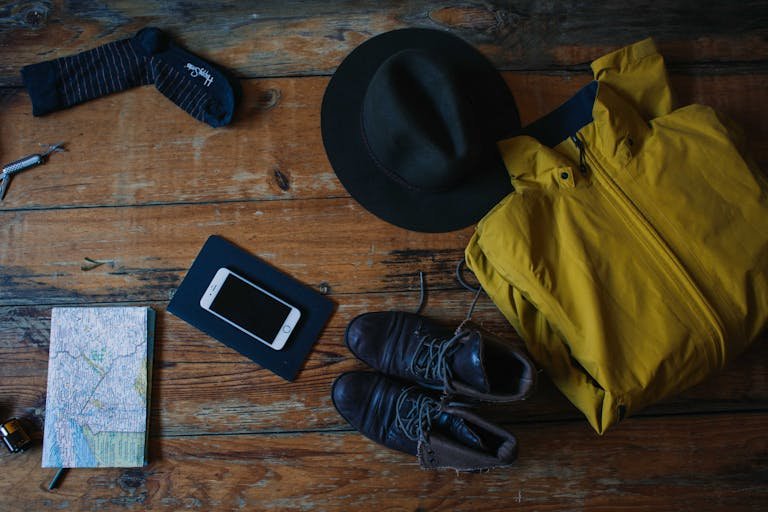
My forwarded bag held: two changes of walking clothes (shirt, trousers or shorts, underwear, socks), toiletries, chargers and spare camera batteries, a lightweight silk-type sleep sack for albergues, an inflatable pillow, flip-flops for the evening, and a swimsuit. On top of that: a proper rain jacket, one warm layer, and any footwear not on your feet.
The 10% rule
Aim for your loaded pack, if you are carrying it, at around 10% of your body weight, and under 10 kg for almost everyone. Weigh it at home, fully packed. If you are over and do not want to cut more, that is the signal to use the transfer service rather than tough it out.
Footwear and feet
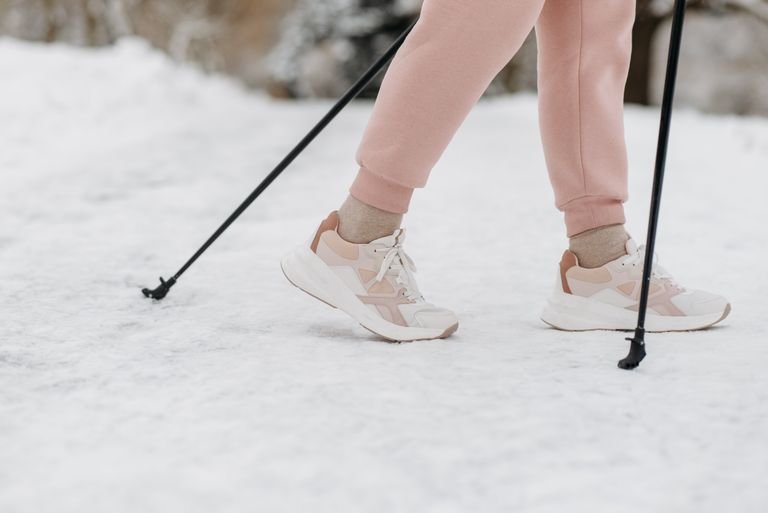
Broken-in trail runners or light hiking shoes suit most Camino routes and seasons; save the boots for winter or the mountain stages. Take two pairs of proper hiking socks, and a blister kit you know how to use, blister plasters, tape, a needle. Most Camino “injuries” are blisters and shin splints from carrying too much weight too fast, which is the whole reason the pack question matters.
Frequently asked questions
How big should my Camino backpack be?
Thirty to forty litres if you carry it yourself; ten to twenty litres if you use the daily luggage transfer.
How much should a Camino pack weigh?
Around 10% of your body weight loaded, and under 10 kg for almost everyone. Weigh it before you fly.
Is the luggage transfer service worth it?
For most people, yes, about €5-9 a stage to walk with a light daypack instead of a full load. The trade-off is that you have to book your accommodation ahead.
Do I need a hiking-specific backpack?
If you are carrying it, yes, a well-fitted 30-40 L pack with a real hip belt. The brand matters far less than the fit.
What shoes should I wear on the Camino?
Broken-in trail runners or light hiking shoes for most routes and seasons. Boots only for winter or the mountain sections.
Where to go next
For the full kit list, see the Camino de Santiago packing list. For the credential you’ll carry and stamp, read Camino stamp culture. Everything we have written on the route sits on the Camino de Santiago hub.
This article is for informational and educational purposes only. Always verify current travel requirements with official government sources before making travel decisions.
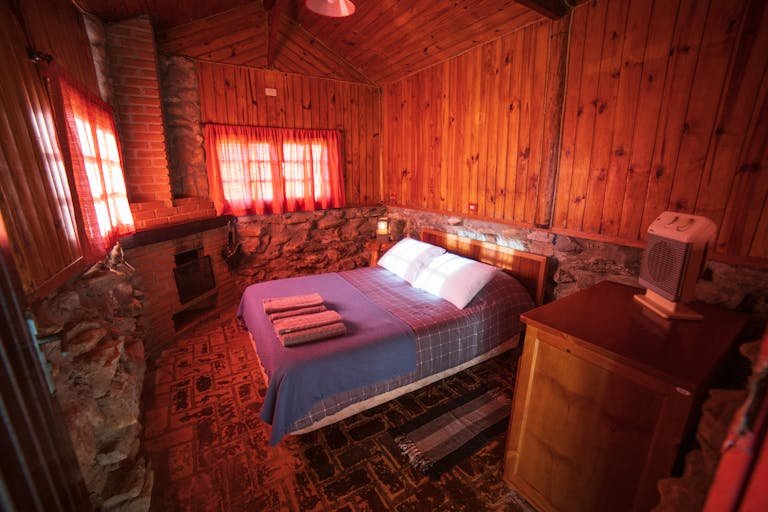
Partner resource. We may earn a commissionCompare albergues & hotels on the Camino (Booking.com) →