

Note: This site participates in the Amazon Affiliates and other affiliate partner programs at no cost to you. Visiting an affiliate partner site may result in this site receiving a commission. For more information visit our Affiliate Disclosure page.
The Compostela is the certificate the Catholic Church issues to pilgrims who complete the Camino de Santiago. It is written in Latin, printed in colour, and it records that you reached the tomb of Saint James in Santiago de Compostela. This article covers who qualifies for it, what the alternatives are if you do not, and how you actually claim your certificate once you arrive.
Why pilgrims walk
People walk the Camino for religious reasons, for spiritual ones, or for reasons they would file under neither. Some walk on behalf of someone else and dedicate the journey to them. The route has carried all of these for more than a thousand years, and the Pilgrim’s Reception Office in Santiago sees the full range every day. Your motivation matters for one practical reason only: it decides which certificate you can receive at the end.
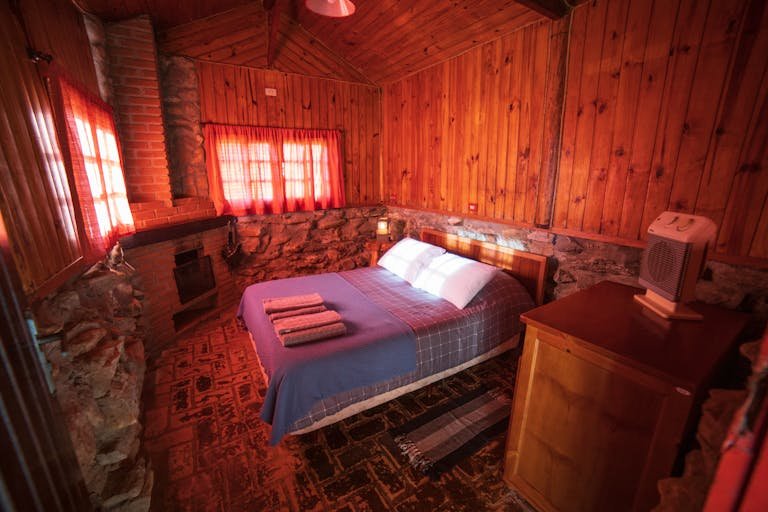
Beds in popular Camino towns fill quickly in the busy months, and prices move fast around peak season. It is worth checking what is available for your dates early. Booking.com
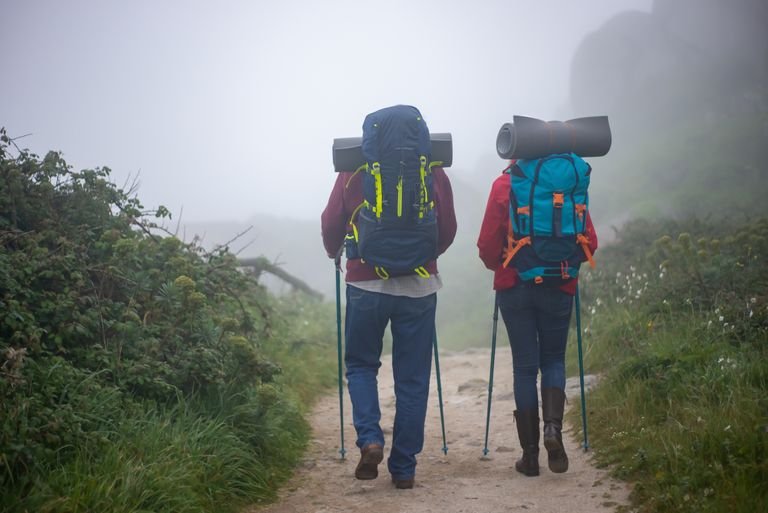
Still deciding how to pack for the walk? Camino Backpack Comparisons & Packing Tips →
The requirements for the Compostela
The Pilgrim’s Reception Office sets the rules, and they change. They were updated recently, so older articles, including earlier versions of this one, may describe the previous “last 100 kilometres” rule. As of the last review of this article, they are:
- On foot or on horseback: complete at least 100 continuous kilometres on the same recognised route to Santiago. The final stage must include, at the least, the last stage leading into the Cathedral in Santiago. Under the current wording, the 100 kilometres no longer has to be the last 100 kilometres before Santiago.
- By bicycle: at least 200 kilometres, under the same conditions.
- Starting outside Spain: a pilgrim who begins a recognised route on foot outside Spain must cover no less than 70 kilometres inside Spain.
- Doing it in stages: you can walk the Camino in stages, as long as they are in chronological and geographical order.
- Motivation: the Compostela is issued only to pilgrims making the journey for religious or spiritual reasons. Walking mainly for tourism or exercise does not meet that requirement, though it does not disqualify you from the alternative certificates below.
- Credential and stamps: carry a pilgrim Credential (credencial del peregrino) and have it stamped along the way. If you walk only the minimum distance, you must get the Credential stamped at the start and the end of every stage, each with the date, to show that you resumed the Way in the same place where you stopped. That includes stamping again at the starting point of a stage, even if you stamped the same place at the end of the previous stage.
The office reportedly changed the rule because the last 100 kilometres of each route had become so busy that lodging was not always available, and the new wording spreads pilgrims across more communities. One example of what now qualifies: start in France, walk about 30 kilometres there, cross into Spain and continue on the same route for another 70 kilometres. That gives you 100 continuous kilometres with 70 inside Spain. You can then take a bus, train or plane to the start of the last stage of the same route and walk that stage into Santiago.
A note on paperwork: the printed Compostela may still mention the last 100 kilometres. The office has been using pre-printed certificates, with names and dates added in set spaces, and has not yet issued new ones with the updated wording. I have not seen a date for when that will change.
Information last verified 18 October 2026, source: Pilgrim’s Reception Office (oficinadelperegrino.com).
If you did not walk for religious reasons
Pilgrims who declare a cultural or sporting motivation, rather than a religious or spiritual one, receive the Certificado, also called the Certificate of Welcome. It acknowledges that you completed the Camino and carries the same minimum distance requirements as the Compostela. It is free. The only real difference is that it is not the Latin Compostela and does not reference a religious purpose.
The Certificate of Distance
Separately, any pilgrim can request a Certificate of Distance, regardless of motivation. It is a parchment that states your starting point, your route, your arrival date, and the total kilometres you covered according to the official route distances. Extra walking to reach lodging or restaurants is not counted. It costs 3 euros at the counter, and the office sells a cardboard tube for a couple of euros so you can carry either certificate home without creasing it.
Claiming your certificate in Santiago
Before you arrive, register on the Pilgrim’s Office website and enter your details. The form generates a QR code. In Santiago, go to the Pilgrim’s Reception Office near the Cathedral, take a queue number, and wait to be called to a desk.
I have done this twice, and both times it was quick and friendly. A staff member scans your QR code, which fills in most of the record, then checks your Credential and its stamps. Once that checks out, they print and hand you the Compostela. It is free. If you want the Certificate of Distance as well, you ask for it at the same desk and pay there. On my visits the distance certificate and the protective tube were about a euro each; the price has since risen, so budget a few euros in cash.
Other ways to complete the Camino
The Camino is also completed by bicycle, on horseback, in a wheelchair, and by the maritime route that follows the sea approach into Galicia. Each has its own distance rules and conditions for earning a Compostela. The official website lists them in detail; check it if you plan to travel any way other than on foot.
Frequently asked questions
How many stamps do I need?
If you walk only the minimum distance, you need a dated stamp at the start and at the end of every stage. You can collect them at churches, hostels, hotels, town halls, cafes and many shops. Check the Pilgrim’s Office page for the current wording.
Do I still have to walk the last 100 kilometres?
Not under the current wording. You need at least 100 continuous kilometres on one recognised route, and the final stage into Santiago must be walked. Towns such as Sarria and Tui became popular starting points because of the old rule. They are still convenient, but they are no longer the only way to qualify.
Can I get a certificate if I walked for non-religious reasons?
Yes. You receive the Certificado, or Certificate of Welcome, which has the same distance requirements and is also free. The Latin Compostela is the one reserved for religious or spiritual motivation.
Does the Compostela cost anything?
No, the Compostela itself is free. The Certificate of Distance is 3 euros, and a cardboard carrying tube is around 2 euros. Bring cash for those.
Do I really have to walk the final stretch into the city?
Yes. The final stage leading into the Cathedral has to be walked under your own power, not skipped by bus or taxi. The rest of your qualifying distance must be at least 100 continuous kilometres on a single recognised route.
Where to go next
For the stamp-collecting side of the walk, see Camino de Santiago Stamp Culture. To plan the final stages, Best Places to Stay on the Camino de Santiago and the Camino de Santiago Packing List cover lodging and kit. Everything we have written on the country sits on the Spain hub.
This article is for informational and educational purposes only. Always verify current travel requirements with official government sources before making travel decisions.
Partner resource. We may earn a commissionCompare places to stay on the Camino (Booking.com) →