Note: This site participates in the Amazon Affiliates and other affiliate partner programs at no cost to you. Visiting an affiliate partner site may result in this site receiving a commission. For more information visit our Affiliate Disclosure page.
Imagine standing atop Park Güell at dawn, the city of Barcelona sprawled beneath you like a mosaic of terracotta rooftops and azure sea. The air is crisp, the crowd-free, and the Gaudí-designed arches glow in the first light of day. This is the magic of 48 hours in Barcelona: a fleeting but vivid taste of a city that thrives on contrasts—ancient history and avant-garde design, bustling markets and serene beaches, world-famous landmarks and hidden neighborhood secrets. If you’re short on time but not on curiosity, this is your map to the Catalan capital’s soul.
Day 1: Gaudí’s Masterpieces and the City’s Modernist Heart
Begin your first day in Vila de Gràcia, a neighborhood that feels like a living museum of Barcelona’s creative spirit. Grab a café con leche at Café de l’Esquirol, a 19th-century spot where locals still linger over pa amb tomàquet (bread rubbed with tomato and olive oil). The square is a perfect prelude to the day’s adventures—a reminder that Barcelona’s charm lies not just in its icons, but in the rhythm of its streets.
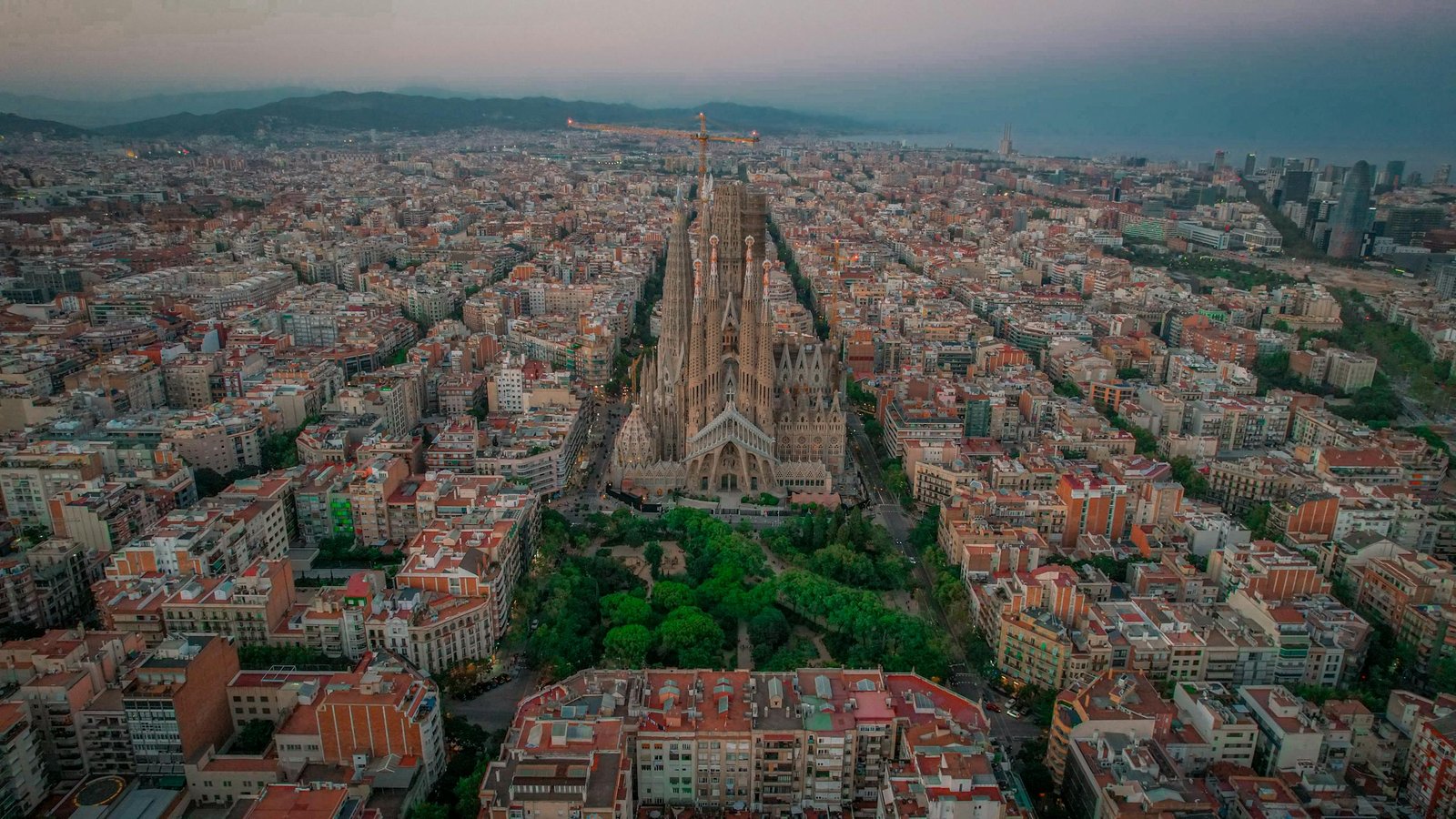
Your first stop should be La Sagrada Família, Antoni Gaudí’s unfinished basilica that has become the city’s spiritual and architectural epicenter. Book tickets online to skip the lines, then lose yourself in the forest-like columns of the Nativity façade. Climb one of the spires for a panoramic view that stretches from Montjuïc Castle to the distant sea. If you’re visiting in spring, note that the rose windows bathe the nave in golden light—a phenomenon that draws even skeptics to tears.
Afterward, head to Park Güell, where Gaudí’s whimsy reaches its peak. Arrive early to avoid the tour groups and wander the mosaic-laden paths, pausing at the serpentine bench that overlooks the city. The park’s dragon fountain and surreal arches feel like stepping into a fairy tale—perfect for a midday snack of crema catalana (a citrusy custard tart) from a vendor’s cart. From here, a short metro ride (Line 3 to Diagonal) brings you to Passeig de Gràcia, where modernist gems like Casa Batlló and La Pedrera compete for attention. Peek inside Casa Batlló’s dragon-like façade, where undulating stone and stained glass create the illusion of a mythical creature come to life.
As the sun dips, trade architecture for ambiance at El Xampanyet, a speakeasy-style bar tucked beneath the Gothic Quarter. Order a vermouth or a classic churro con cacao and let the night unfold. The city’s energy is contagious, and by midnight, you’ll understand why Barcelona is often called the “Jewel of the Mediterranean.”
Day 2: History, Markets, and the Rhythm of the Old City
Start your second day in the Gothic Quarter, where Barcelona’s medieval past feels tangible. Wander the labyrinth of narrow alleys to the Plaça Reial, a 18th-century square framed by neoclassical buildings and surrounded by flamenco dancers. For a deeper dive, visit the Barcelona Cathedral, its Gothic spires hiding a hidden cloister garden where time seems to stand still.
No visit is complete without a pilgrimage to La Boqueria Market, one of Europe’s most vibrant food halls. Arrive before 9 a.m. to see the daily ritual of fishmongers slicing sardines and fruit vendors stacking pyramids of cherries. Sample pan con tomate from La Cova Fumada or a jamón ibérico croquette from La Boqueria’s own deli. This isn’t just a market—it’s a masterclass in Catalan cuisine, where every stall tells a story of terroir and tradition.
For a different perspective, take the metro to Camp Nou, home to FC Barcelona. Even if you’re not a football fan, the tour of this 99,354-seat stadium is a celebration of Catalan identity. The museum’s exhibits blend sport with politics, and the highlight—sprinting down the pitch—is a memory you’ll carry long after your flight home. If time allows, unwind at Barceloneta Beach, where locals and visitors alike trade stories over glasses of cava as the sun sets over the Mediterranean.
Cap your 48 hours with dinner at Cal Pep, a Michelin-starred institution in the Eixample district. The five-course tasting menu, which changes daily, is a love letter to Catalan ingredients. As you savor dishes like escalivada (roasted vegetables) or cod with saffron, you’ll realize that Barcelona’s true magic isn’t in its checklist of sights—it’s in the way the city makes you feel, even in a flash.
Hidden Gems for the Time-Conscious Explorer
If you have a few extra hours, seek out the Bunkers del Carmel, a converted military complex offering one of the city’s best free views. The climb is steep, but the 360-degree panorama of Barcelona and the sea is worth every step. For art lovers, the Museu Picasso (book tickets in advance) houses an intimate collection of the artist’s early works, while the Centre de Cultura Contemporània de Barcelona (CCCB) showcases cutting-edge installations. Both institutions sit in the Eixample district, a grid of boulevards where modernist facades hide secret courtyards and literary cafés.
Foodies should seek out El Celler de Can Roca for a Michelin-starred experience, though reservations are essential. Alternatively, La Tasqueria de Can Reixach offers a more casual menu del día (fixed-price lunch) featuring fresh seafood and paella. Pair either with a walk through the Barri Gòtic’s hidden courtyards, where Roman ruins coexist with tapas bars and artisanal gelato shops.
Public transport remains your best friend. Grab a T-Casual ticket (10 rides for €10.50) to hop between metro lines, buses, and trams. Avoid rush hour (7–9 a.m. and 7–9 p.m.) to keep your pace leisurely, and always carry cash for small vendors and street performers—many still operate outside digital payment systems.
FAQ: The Short Answers You Need
What’s the best time of year to visit? Spring (April–June) and fall (September–October) offer ideal weather and thinner crowds. Summers are hot and packed, while winters are quiet but occasionally rainy.
How do I avoid the tourist traps? Skip the overpriced tapas bars near metro stops and opt for local favorites like La Fàbrica in Gràcia or Quimet & Quimet for gourmet groceries. Always check reviews on Google Maps or Word of Mouth before dining.
Can I see everything in two days? No, but you can curate a rich, immersive experience. Prioritize Gaudí’s works, the Gothic Quarter, and at least one meal in a traditional market. The rest is up to your appetite for adventure.
Is Barcelona safe for travelers? Generally yes, but pickpocketing is common in crowded areas. Keep valuables secure and avoid displaying expensive items in the Gothic Quarter and on public transport.
This article is for informational and educational purposes only. Always verify current travel information, visa requirements, entry rules, and health guidance with official government sources and qualified professionals before making travel decisions.