

Note: This site participates in the Amazon Affiliates and other affiliate partner programs at no cost to you. Visiting an affiliate partner site may result in this site receiving a commission. For more information visit our Affiliate Disclosure page.
Spain is one of the easiest countries in Europe to get around without a car. High-speed trains link the big cities in a few hours, buses fill in almost everywhere else, and every city has a metro or bus network you can pay for with a tap of your bank card. This guide covers how the pieces fit together: trains, intercity buses, taxis and ride-hailing, and city transport. It also covers when a car is still worth it.
The short answer
Take the train between major cities and the bus everywhere else. On the main corridors, such as Madrid to Barcelona, Seville, Valencia, Málaga or Alicante, high-speed rail is faster and less stressful than flying once you count airport time. For smaller towns and the coast, intercity coaches reach almost everything the trains miss, and cheaply. Inside cities, use the metro or a rechargeable transit card and walk the rest.
Rent a car only for rural regions with thin public transport: parts of inland Andalusia, Extremadura, the Pyrenees, or a slow tour of a wine region. For a city-to-city trip, a car mostly sits in an expensive garage while you take the train anyway.
Trains
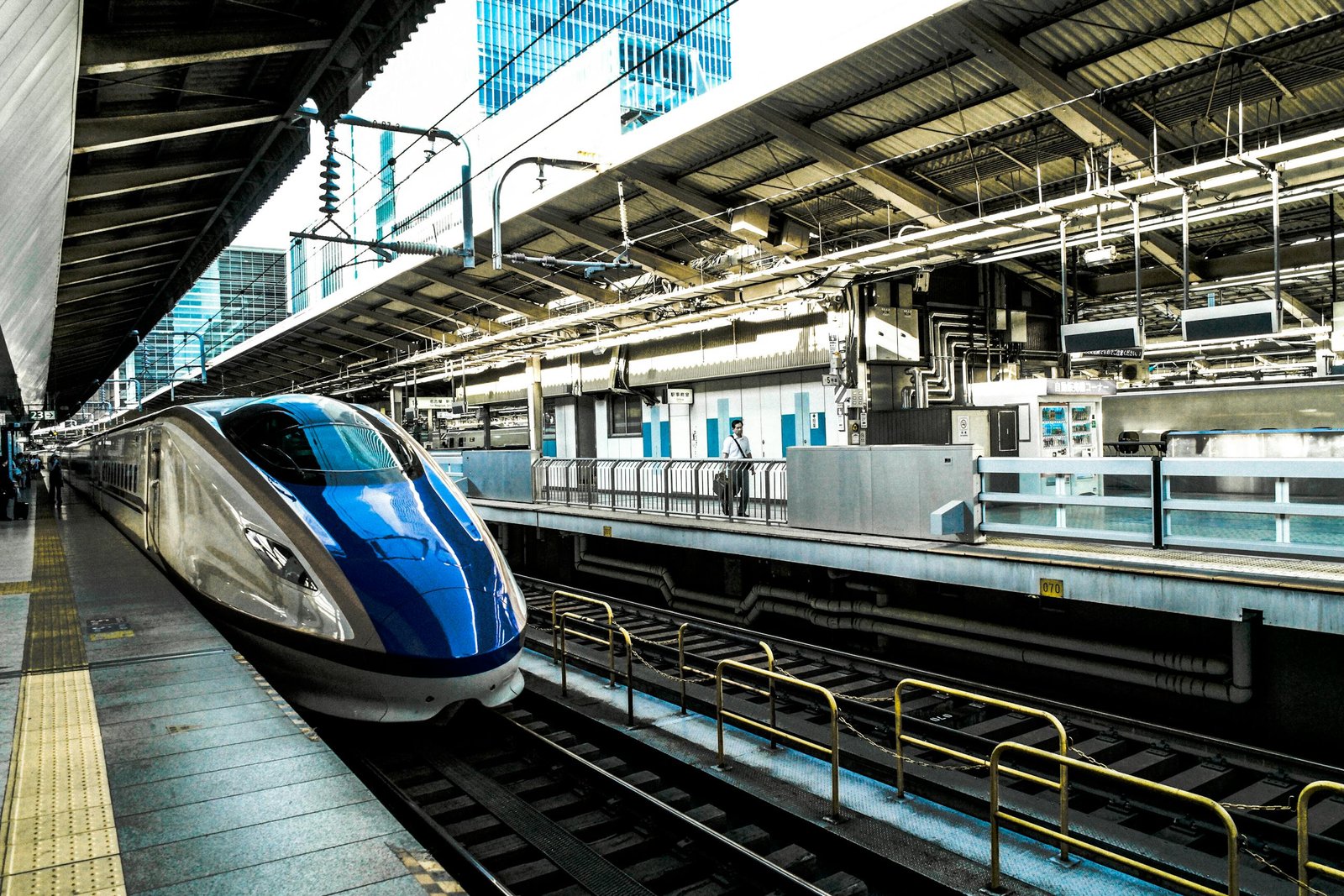
Renfe is the national rail operator. Its flagship AVE service runs at up to 300 km/h on dedicated high-speed lines. Slower Media Distancia and regional trains cover shorter hops. Since Spain opened high-speed rail to competition, two other operators now run the busiest routes: Iryo (full-service) and Ouigo (low-cost, no-frills), alongside Renfe’s own budget brand Avlo. More competition has pushed fares down and promotions up, so it is worth checking all of them for the same route.
Book early. High-speed fares are cheapest weeks out and climb as the train fills. You can buy directly on the Renfe website or app, but the Renfe checkout has a long-standing reputation for rejecting some non-European cards and timing out mid-purchase. If that happens, an aggregator such as Trainline or Omio will show Renfe, Iryo and Ouigo side by side and handle the payment.
You can compare Spanish rail fares and passes in one place before you commit. Trip.com
A few practical points:
- Seat reservations are automatic on AVE, Iryo and Ouigo. Your ticket has a coach and seat number, so there is nothing separate to book.
- Security screening applies to high-speed departures. Arrive 20 to 30 minutes early. It is quicker than an airport but not instant.
- Ouigo trades price for flexibility. Bags, seat choice and changes cost extra, and it often uses secondary stations. Read what is included before you book on price alone.
- Rail passes rarely pay off in Spain. Point-to-point advance fares are usually cheaper than a Eurail or Interrail pass here, and pass holders still need to reserve high-speed seats for a fee.
Intercity buses
Spain’s coach network is extensive, comfortable and cheaper than the train. ALSA and Avanza are the two largest operators. Smaller regional companies cover the rest. Coaches typically have air conditioning, Wi-Fi, a toilet and reclining seats, and they reach coastal towns, national-park gateways and villages with no rail service at all.
Book on the operator’s own website or app, or through Omio. Popular routes on holiday weekends do sell out, so buy ahead rather than turning up at the station. City bus stations (estación de autobuses) are usually separate from the train station, so check which one you need.
Walking into Santiago through Galicia? How to Walk the Portuguese Camino →
Taxis and ride-hailing
Licensed taxis are metered, plentiful and regulated. Many airports have a fixed fare into the city centre, posted at the rank. Madrid, for example, sets a flat rate to the central zone. Confirm the price with the driver before you set off if you are unsure.
For app-based rides, the picture varies by city because regional rules differ:
- Cabify is the most widely available ride-hailing app across Spain and works in most large cities.
- Uber and Bolt operate in Madrid and a number of other cities, but not everywhere. Coverage changes with local licensing.
- FreeNow hails a regular licensed taxi through an app, which is useful where private ride-hailing is restricted.
All of them take card payment in the app, which removes any language friction over the fare.
Getting around cities
Madrid, Barcelona, Valencia, Seville and Bilbao all have metro systems. Smaller cities run on buses and trams. Two things make city transport painless:
- Contactless bank cards and phones now work directly on the Madrid Metro and a growing number of other networks. You tap in with no ticket machine.
- Multi-trip and rechargeable cards cut the per-ride cost sharply where contactless is not yet an option. Madrid’s 10-trip Metrobús ticket and Barcelona’s T-casual are the obvious examples. In Santiago de Compostela, a single city-bus ride costs a little over a euro. The local rechargeable card roughly halves that and is worth loading if you will ride more than a few times.
Fares and card names change from year to year, so buy from the machine or app at the station rather than relying on figures from an older guide.
What this looks like in practice
I have travelled Spain repeatedly and never once rented a car there. A typical trip: the 30-minute train from Madrid’s Atocha station to Toledo for a day walking the old town and the river. On another visit, a train west to Ourense, a night near the station, and a short local taxi out to the Outariz thermal pools on the edge of town. At the end of both Caminos I used Santiago’s city buses with the rechargeable card to get between the station, the old town and the cathedral. None of it needed a car, and none of it was complicated once I had the right app on my phone.
When a car still makes sense
A car earns its cost on certain trips: rural Andalusia, the Picos de Europa, the back roads of Extremadura, a leisurely loop through La Rioja or Ribera del Duero. On these routes the bus runs twice a day and the villages you want are not on it. If that is your plan, our guide to renting a car in another country covers the paperwork and the local quirks to know first.
Frequently asked questions
Is it easy to travel around Spain without a car?
Yes. High-speed trains connect the major cities, ALSA and Avanza coaches cover almost everywhere else, and cities have metros or bus networks you can pay for by tapping a card. A car is only really needed for rural regions with sparse public transport.
Should I take the train or the bus in Spain?
Train between big cities on the high-speed network, which is much faster. Bus for smaller towns, the coast and national-park areas the trains do not reach, and whenever price matters more than time.
What is the best app for booking trains in Spain?
The Renfe app works but can reject foreign cards. Trainline and Omio both compare Renfe, Iryo and Ouigo in one search and are generally smoother for non-European travellers.
Does Uber work in Spain?
In Madrid and some other cities, yes, but not nationwide. It depends on local licensing. Cabify has the widest coverage, and FreeNow lets you hail a standard licensed taxi through an app anywhere taxis operate.
Do I need to book Spanish trains in advance?
For high-speed AVE, Iryo and Ouigo trains, yes. Fares are lowest weeks ahead and rise as the train fills. Regional and Media Distancia trains can usually be bought on the day.
Where to go next
Planning what to actually do once you can get around? See 10 spring and summer travel ideas in Spain for regions worth building an itinerary around, or our 3-day Madrid itinerary for a city base with easy day trips by train. Everything we have written on the country sits on the Spain hub.
This article is for informational and educational purposes only. Always verify current travel requirements with official government sources before making travel decisions.
Partner resource. We may earn a commissionCompare Spain rail tickets & passes (Trip.com) →
Partner resource. We may earn a commissionCompare places to stay in Spain (Booking.com) →