Note: This site participates in the Amazon Affiliates and other affiliate partner programs at no cost to you. Visiting an affiliate partner site may result in this site receiving a commission. For more information visit our Affiliate Disclosure page.
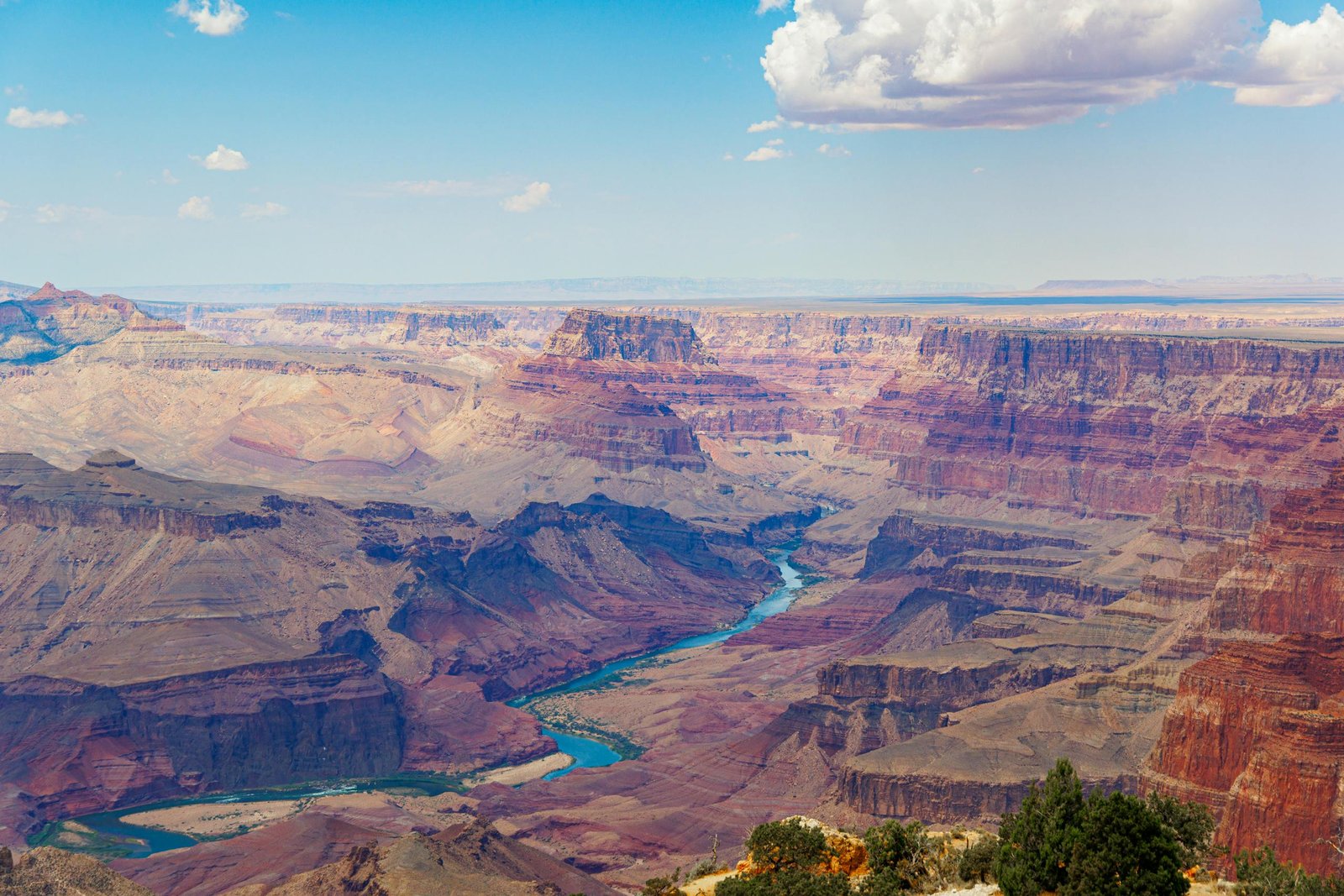
Imagine standing at the edge of a chasm so vast it stretches beyond the horizon, its layers of red rock carved by the Colorado River over millions of years. The Grand Canyon isn’t just a destination—it’s a visceral experience, a place where time feels irrelevant and human presence feels infinitesimal. Yet, for all its grandeur, the canyon can be surprisingly elusive to visitors who rush through its borders without a plan. I’ve seen seasoned hikers get lost in the South Rim’s shuttle system and first-timers miss the golden hour light at Mather Point because they arrived at noon. The key? Approach the Grand Canyon like a seasoned local: with a mix of preparation, flexibility, and reverence for its scale.
Plan Your Visit: Timing, Permits, and Crowds
The Grand Canyon’s magic lies in its accessibility, but its popularity means thoughtful planning is non-negotiable. Start by choosing your rim: the South Rim is open year-round and hosts 90% of the park’s visitors, while the North Rim sits at a higher elevation and closes seasonally from late October to mid-May. If you’re drawn to the idea of solitude, consider visiting in May or September, when crowds thin and the weather is temperate. The NPS reports that shuttle buses at the South Rim can fill to capacity during peak hours, so arriving before 7 a.m. or after 4 p.m. ensures you’ll skip the wait at the iconic Bright Angel Trailhead.
Permits are another critical detail. While most of the canyon doesn’t require reservations, the National Park Service mandates advance bookings for popular hikes like the North Kaibab Trail and the Bright Angel Trail beyond the 3-mile mark. For those wanting to descend into the canyon via the historic Bright Angel Trail, securing a permit months in advance is essential—these clearances sold out within minutes in 2024. Don’t be tempted to skip this step; unauthorized overnight stays in the canyon can result in hefty fines. Meanwhile, the Grand Canyon Skywalk, a glass bridge extending over the rim near the Hualapai Tribe’s lands, requires separate reservations and operates under its own regulations, independent of the NPS.
Fee structures are straightforward but worth understanding. An entrance pass costs $35 for a private vehicle, granting seven days of access to both rims. Annual passes are ideal for those planning multiple visits or combining the Grand Canyon with other nearby parks like Zion or Bryce Canyon. The NPS also offers free entry on select federal holidays, though these days often see surge crowds. A lesser-known perk: the Every Kid in a Park program provides fourth graders and their families with free access to all federal recreation sites, including the Grand Canyon—a clever way to start young travelers on a lifelong love of exploration.
Weather plays a subtle but vital role in planning. The South Rim’s elevation (7,000 feet) means temperatures can drop below freezing in winter, even as the inner canyon bakes at 100°F in summer. Hikers who underestimate this gradient have faced dehydration in the desert heat and hypothermia in the colder months. Always check the NPS current conditions page for trail closures and wildlife alerts before heading out.
Must-See Spots: From Iconic Views to Hidden Gems
Every traveler to the Grand Canyon should start at Yavapai Point’s Skywalk, not for the glass bridge itself, but for the panoramic view it offers of the Colorado River and the Vishnu Schist, the oldest exposed rock in the park. Yet for a quieter experience, head to the less-visited Horseshoe Bend Overlook, a 20-minute drive from Page, Arizona, where the river carves a tight loop against the canyon wall. This spot is particularly magical at sunrise, when the river glints like molten gold in the early light.
The South Rim’s Grand Canyon Village is the heart of the park, with Mather Point as its crown jewel. This flat, accessible viewpoint is perfect for first-time visitors, offering unobstructed views of the canyon’s layers. For a deeper dive, hike the 1.5-mile South Kaibab Trail to Ooh Aah Point, a vantage that balances accessibility with jaw-dropping vistas. The trail’s switchbacks reveal the canyon’s geological story in real time—each rock layer represents millions of years of sedimentary history. Pro tip: The trailhead is cash-only for parking fees, so carry small bills.
On the North Rim, the Bright Angel Trailhead serves as a gateway to the canyon’s depths. The 9.5-mile round-trip hike to Plateau Point is demanding but rewarding, with water stops at the trail’s resthouses. For a gentler experience, visit the Elves Chasm, a hidden oasis accessible via a 1-mile walk from the Hermit’s Rest trailhead. The chasm’s narrow slot and cascading water (in wet seasons) feel like a secret tucked away from the main park’s throngs.
Don’t overlook the Havasu Creek area, part of the Havasupai Tribe’s land. While separate from the NPS, Havasu Falls and the Blue Pool are worth the drive, especially for backpackers. The 10.5-mile round-trip hike to the falls is strenuous, but the reward—a turquoise waterfall spilling into a pool—is worth the effort. Note that permits are required, and the tribe enforces strict conservation rules to protect this fragile ecosystem.
Experiencing the Canyon: Hiking, Rides, and Rafting
Hiking is the most immersive way to experience the Grand Canyon, but it requires respect for the environment. Day hikes like the 3-mile Rim Trail from Bright Angel to the 666 Steps are ideal for first-timers, offering gentle grades and frequent rest spots. For a true test of endurance, tackle the 14.5-mile round-trip hike from the South Kaibab Trail to Guano Point, which requires carrying enough water for the entire journey. The NPS strongly advises against attempting long hikes without proper preparation; dehydration and heatstroke are common in the canyon’s extreme conditions.
For those who prefer guided experiences, mule rides from the Bright Angel or Hermit’s Rest trailheads offer a unique perspective. These rides, operated under strict NPS guidelines, allow you to descend the canyon while learning about its geology and history from expert guides. The 10-hour trips to Plateau Point are particularly popular, though reservations must be secured months in advance. The mule rides are also a boon for conservation, as they help manage the number of hikers in sensitive areas.
For a different vantage point, consider a river trip on the Colorado River. Half-day rafting excursions from Lee’s Ferry provide a thrilling, if abbreviated, view of the canyon’s inner walls. Multi-day trips, which require permits and extensive planning, take you through remote sections of the river and offer a chance to see wildlife like California condors and desert bighorn sheep. The NPS and private operators like Grand Canyon River Runners offer these trips, but all require advance bookings and physical fitness assessments.
Insider Tips: Local Advice and Off-Beat Strategies
Reddit’s Grand Canyon community is a goldmine for local wisdom. One recurring tip: use the NPS shuttle system to its fullest. The free shuttles connect all major viewpoints on the South Rim and can save you hours of parking frustration. For instance, the #2 shuttle takes you directly to the Grand Canyon Skywalk, while the #12 route loops through the South Rim’s key attractions. Download the NPS app for real-time tracking of shuttle buses—a lifesaver during peak hours.
Another underrated strategy is to explore the park after dark. The Grand Canyon is one of the few places in the U.S. where stargazing feels otherworldly. The NPS hosts night sky programs at Yavapai Point, where rangers use laser pointers to highlight constellations. For a quieter experience, bring a telescope and head to the Mather Point parking lot, which offers minimal light pollution. Just remember: temperatures drop sharply after sunset, even in summer, so pack a warm layer.
For those with limited time, prioritize vertical diversity. Visit the canyon at three different elevations in a single day: start at the South Rim’s 7,000-foot elevation, descend to the Colorado River at 1,400 feet, and return via the North Rim’s 8,000-foot plateau. This approach gives you a visceral sense of the canyon’s scale. The 15-minute Skywalk elevator at Grand Canyon Skywalk is an efficient way to reach the river level, though the experience is more technical than scenic.
Lastly, embrace the “slow travel” philosophy. The Grand Canyon rewards patience. Instead of rushing from one viewpoint to the next, linger at the Guano Point overlook until the light shifts, or take a side trail to explore the canyon’s hidden alcoves. The Reddit community often stresses that the best memories come not from ticking off checklists, but from moments of quiet wonder.
FAQ: Answering Common Questions
Can I visit the Grand Canyon without a guided tour?
Absolutely. The NPS provides detailed maps, shuttle schedules, and trail guides to help you navigate independently. Many first-timers successfully explore the park on their own, especially on the South Rim where infrastructure is robust. Just be sure to download offline maps if cellular service is spotty.
Is the Grand Canyon accessible for travelers with disabilities?
The NPS has made strides in accessibility, with paved trails like the Rim Trail and accessible viewpoints such as the Mather Point. For those requiring more specialized accommodations, the Grand Canyon National Park Association offers adaptive equipment rentals, including all-terrain wheelchairs and service animal relief stations.
How do I avoid the crowds at the South Rim?
Visit during off-peak hours—before 8 a.m. or after 4 p.m.—to enjoy popular spots like Yavapai Point with fewer people. Weekdays are consistently less crowded than weekends, and visiting during the winter months (November–February) can cut wait times in half.
Are there food options inside the park?NPS website for the latest rates and availability.
Final Thoughts
The Grand Canyon is a place that demands—and rewards—careful planning. Whether you’re hiking the Bright Angel Trail, riding a mule into the canyon’s depths, or simply watching the sunrise over the Colorado River, the experience is as much about the journey as the destination. By respecting the park’s rules, timing your visits wisely, and allowing yourself time to savor its scale, you’ll leave with memories that outlast any photograph. And remember: the canyon’s true essence lies not in how many places you see, but in how deeply you let its vastness reshape your perspective.
This article is for informational and educational purposes only. Always verify current travel information, visa requirements, entry rules, and health guidance with official government sources and qualified professionals before making travel decisions.