Note: This site participates in the Amazon Affiliates and other affiliate partner programs at no cost to you. Visiting an affiliate partner site may result in this site receiving a commission. For more information visit our Affiliate Disclosure page.
Imagine standing at the confluence of the Chao Phraya River, where the hum of tuk-tuks mingles with the scent of sizzling satay. Bangkok is a city of contradictions—where gold-plated temples sit beside neon-lit night markets, and the clamor of street food vendors competes with the hushed elegance of private art galleries. This is the stage upon which its neighborhoods perform, each offering a distinct act. Whether you’re chasing the pulse of commerce in a labyrinthine mall or seeking the quiet charm of artisan workshops, Bangkok rewards the curious. Let’s step into five of the city’s most captivating districts, each a portal to a different facet of this mesmerizing metropolis.
Siam Square: The Pulse of Modern Bangkok
Siam Square is the city’s beating heart, a nexus where commerce, culture, and chaos converge. Here, the skyline is a mosaic of glass and steel, but the real story lies beneath the surface. The MBK Center, a labyrinth of souvenirs and electronics, is less a mall than an odyssey. Its narrow aisles are a sensory overload—think glittering phone cases, handwritten Thai scripts, and the tang of fried insects. Navigating MBK is part of the adventure; you’ll weave through crowds of bargain hunters and street performers, the air thick with the buzz of haggling. But don’t let the chaos overwhelm you. Duck into a nearby coffee shop for a breather, then return to the fray, armed with a map and a sense of humor.
Prices and availability in Bangkok change fast – especially around peak season. Here’s a live look at what’s available for your dates. Booking.com

Just a stone’s throw away, CentralWorld emerges as a counterpoint. The world’s ninth-largest mall, it’s a cathedral of consumerism, but with a soul. Yes, there are flagship stores and luxury boutiques, but also a food court that rivals Michelin-starred restaurants. At the rooftop SkyWalk, you’ll find an urban garden where you can sip a cold brew and watch the city blur past. What makes CentralWorld truly special, though, is its ability to cater to every whim—within its walls, you can catch a concert, play virtual reality games, or sample a Michelin-starred meal, all without stepping outside.
For those who prefer their shopping with a side of culture, Siam Paragon is the answer. This is Bangkok’s answer to Fifth Avenue, though with a distinctly Thai twist. The fourth-floor Thai Market is a treasure trove of handmade textiles and antiques, a reminder that even in this hyper-modern space, tradition finds a way to thrive. Here, the pace is gentler, the crowd more refined, and the air scented with jasmine and sandalwood. After a day of browsing, slip into one of the rooftop bars, where the skyline glitters like a constellation of dreams.
As the sun sets, Siam Square transforms. The indie fashionistas of Siam Center spill onto the streets, their wardrobes a patchwork of local designers and avant-garde flair. This is where Bangkok’s youth culture pulses strongest, a blend of hipster cafes, pop-up art shows, and live music venues. It’s easy to lose track of time here, but when hunger calls, head to the open-air food court at Siam Discovery. Here, local artisans sell everything from hand-painted ceramics to durian-flavored ice cream, offering a taste of Bangkok’s creativity.
Thonglor: Where Cool Meets Convenience
Leave the malls behind and venture into Thonglor, a neighborhood that embodies Bangkok’s modern cool. This is the city’s answer to Williamsburg or Berlin’s Kreuzberg—though with more palm trees and fewer graffiti tags. The area is anchored by Thonglor Road, a boulevard lined with designer boutiques, art galleries, and speakeasy-style bars. But the real charm lies in the side streets, where you’ll find hidden cafes serving single-origin coffee and rooftop lounges with views of the city’s glittering skyline. Thonglor is also home to some of Bangkok’s most inventive restaurants, from farm-to-table eateries to fusion spots serving dishes like lemongrass-infused sushi.
What sets Thonglor apart is its blend of hip and homely. While the main drag is all sleek lines and modern aesthetics, the backstreets reveal a different side. Here, you might stumble upon a family-run noodle shop where the broth has been simmering for decades, or a tiny bookstore tucked between a tailor and a vintage record store. The neighborhood’s popularity has driven up prices, but if you know where to look, you can still find affordable warungs (small eateries) and budget-friendly guesthouses. Just don’t stay too long—this is one of those places where time slips away, and you’ll want to savor every moment.
Ekkamai, the sister district to Thonglor, offers a more laid-back vibe. Think of it as the neighborhood where Thonglor’s friends hang out. Here, you’ll find fewer crowds and more greenery, with tree-lined streets and quiet residential areas. But don’t mistake this for boring—Ekkamai has its own share of trendy spots, from yoga studios to craft breweries. The highlight is the weekend market, where local vendors sell everything from handmade candles to vintage clothing. It’s a slower, more reflective version of Bangkok, perfect for those who want to explore without the city’s relentless energy.
Old Bangkok: A Glimpse into the Past
For a stark contrast to the modernity of Siam and Thonglor, cross the river to the historic district. This is the Bangkok of postcards—the golden spires of Wat Phra Kaew, the gilded beauty of Wat Arun, and the canals that once carried traders to the city’s heart. Here, the pace is slower, the air thick with history. The Grand Palace complex is a must, but don’t rush through it. Instead, wander the surrounding streets, where you’ll find traditional wooden houses turned into art galleries and family-run restaurants serving pad thai made to a recipe passed down for generations.
Charoenkrung Road is the main artery of this old-world charm. Once the city’s commercial hub, it’s now a living museum of colonial-era buildings and Art Deco facades. Many of these have been repurposed into stylish cafes and boutique hotels. The stretch between Maha Chakri Bridge and the Chao Phraya River is particularly photogenic, with its mix of historic and modern architecture. For a true taste of the past, take a boat along the khlongs (canals) and visit the floating markets, where vendors sell everything from lotus flowers to boat noodles.
While Old Bangkok is steeped in tradition, it’s not without its surprises. The neighborhood of Banglamphu, just south of the Grand Palace, has become a hub for both heritage and innovation. Here, you’ll find artisan workshops where you can watch silversmiths at work, alongside pop-up galleries showcasing contemporary Thai art. It’s a place where the past and present coexist, each enriching the other. As night falls, the area comes alive with riverside restaurants and jazz bars, offering a different kind of magic under the stars.
Chinatown: A World Within a City
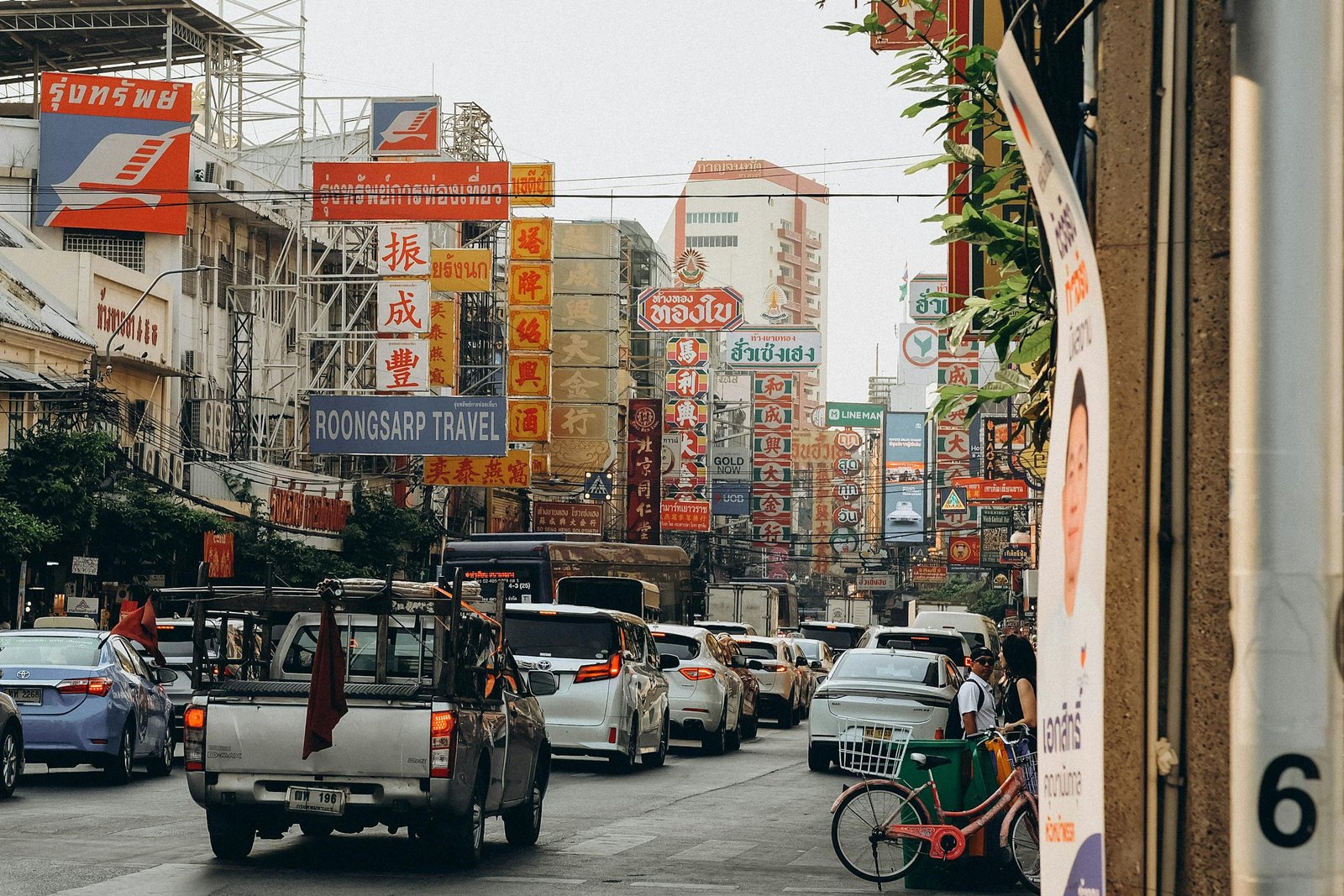
Wat Puthai, the Temple of the Emerald Buddha, marks the heart of Bangkok’s Chinatown, a neighborhood that feels like a city within a city. This is the place to come if you’re after the city’s best street food—nam man (Thai-style noodles), mango sticky rice, and boat noodles all reach their zenith here. The maze of alleys and markets is a sensory overload in the best way possible. At Yaowarat Road, you’ll find everything from gold shops to tailors offering on-the-spot alterations. But don’t let the chaos deter you; this is where Bangkok’s culinary soul is most vividly expressed.
The neighborhood’s history is as rich as its flavors. Once a refuge for Chinese immigrants, it’s now a UNESCO-recognized cultural hub. The Chinese-Thai architecture here is a fascinating blend of styles—pagodas sit beside shophouses adorned with neon signs, and ancestral shrines share the streets with modern bars. For a deeper dive, visit the Museum of Floral Culture or the Thai Hua Museum, which chronicle the neighborhood’s evolution. Yet, for many, the true allure lies in the night markets, where the air is thick with the scent of roasted chestnuts and the hum of conversation.
Pratunam: The Fabric of the City
If you’re in Bangkok for fashion, Pratunam is where the city stitches itself together. Known as the textile district, it’s a riot of color and texture. The Golden Mount, a 16th-century stupa, serves as the neighborhood’s anchor, but the real action is in the markets. At the Pratunam Textile Market, you can find bolts of silk, embroidered fabrics, and designer knockoffs at prices that will make your head spin. This is where Bangkok’s sartorial soul is on full display, and it’s not just for buyers—stylists and designers come here to source inspiration.
But Pratunam isn’t all about fabric. The area is also home to some of the city’s most vibrant street food scenes. At the Pratunam Night Market, you’ll find everything from grilled pork skewers to durian desserts, all under the glow of fairy lights. The atmosphere is electric, with live music and performers adding to the carnival-like vibe. It’s a place where you can lose yourself in the rhythm of the city, surrounded by the hum of conversation and the sizzle of street food.
Despite its gritty charm, Pratunam is undergoing a quiet transformation. New cafes and boutique hotels are popping up, signaling a shift toward a more refined experience. Yet, the neighborhood’s essence remains intact—a testament to Bangkok’s ability to honor its past while embracing the future. Whether you’re hunting for fabrics, sampling street food, or simply soaking in the energy, Pratunam offers a side of Bangkok that’s both raw and refined.
FAQ: Your Bangkok Neighborhood Guide
- What’s the best time to visit these neighborhoods? Early mornings are ideal for shopping in Siam Square and Pratunam, when the heat and crowds are manageable. For a more relaxed vibe, visit Thonglor or Chinatown in the late afternoon, when the light is golden and the energy is mellow.
- Are there affordable options in these areas? Absolutely. While Siam Paragon and CentralWorld cater to luxury seekers, MBK and the night markets in Chinatown and Pratunam offer budget-friendly shopping. Look for street food instead of sit-down restaurants, and you’ll save significantly.
- How do I get around? Grab taxis and ride-hailing apps like Grab are convenient for short distances. For longer trips, the BTS Skytrain and MRT subway are efficient and affordable. Don’t miss the boat tours along the Chao Phraya River—they’re a scenic way to connect neighborhoods.
This article is for informational and educational purposes only. Always verify current travel information, visa requirements, entry rules, and health guidance with official government sources and qualified professionals before making travel decisions.