Note: This site participates in the Amazon Affiliates and other affiliate partner programs at no cost to you. Visiting an affiliate partner site may result in this site receiving a commission. For more information visit our Affiliate Disclosure page.
In the world of travel souvenirs, Japan stands out as a unique destination where the collection of rubber stamp images, known as hinatabako, offers a delightful blend of culture and creativity. This distinctive hobby allows travelers to capture memories in a unique and artistic way, making it a popular activity among both locals and visitors. Whether you are a seasoned collector or a curious newcomer, Japan’s array of stamping locations provides an endless variety of designs and themes to suit every interest.
The Art of Stamp Collecting in Japan
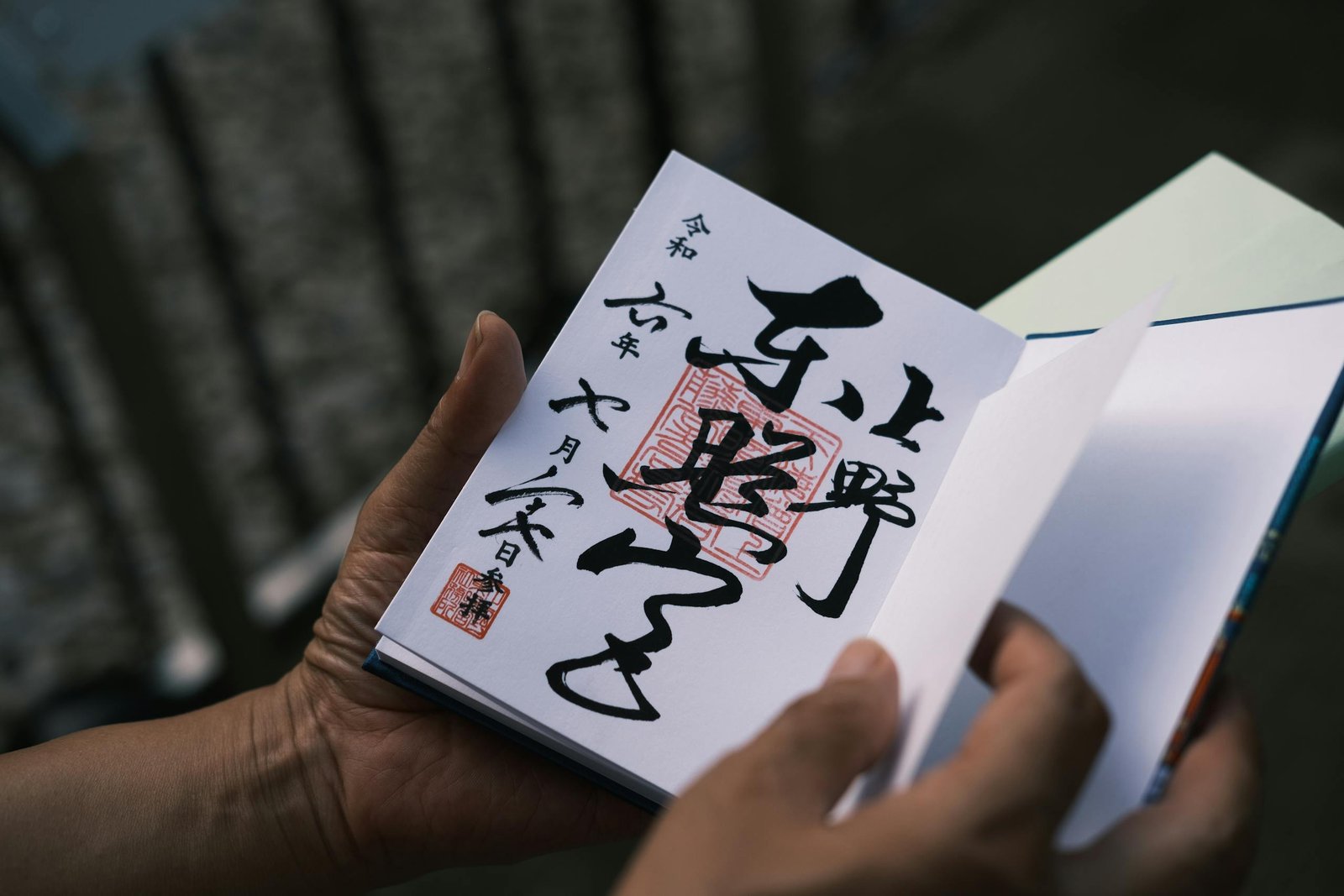
Japan’s stamp collecting culture is deeply rooted in its traditions of souvenirs and mementos. Unlike traditional mementos, rubber stamps offer a more creative and personalized way to commemorate your travels. These stamps, often found at various sites across the country, come in a wide range of designs and themes, reflecting the rich cultural heritage and natural beauty of Japan.
Japan’s most-booked experiences – from walking tours to skip-the-line tickets – start selling out 4-6 weeks ahead in peak season. Here’s what other travelers are booking right now. Viator
Travelers can find stamps at museums, shrines, famous landmarks, parks, and tourist information centers. Each stamp is unique and can be collected as a free souvenir, adding to the allure of this activity. The diversity of locations and the quality of the designs make stamp collecting an engaging and rewarding pursuit for enthusiasts.
Wondering how this compares to the Camino's tradition? Camino de Santiago Stamp Culture →
One of the most appealing aspects of this hobby is the ease of participation. No special equipment is required; simply bring a stamp album or a notebook and start collecting. The stamps are typically available for free, making it an affordable way to build a memorable collection.
Japan’s diverse landscape, from bustling cities to serene rural areas, provides an abundance of opportunities for stamp enthusiasts. This makes it possible to collect stamps that represent various regions, from the urban vibrancy of Tokyo to the serene beauty of Kyoto.
Popular Stamp Collection Sites in Tokyo
Tokyo, the bustling capital of Japan, offers a plethora of stamp collecting opportunities. The city is home to numerous museums, shrines, and landmarks where visitors can find unique stamps to add to their collection. Some of the most popular sites include the Tokyo National Museum, the Meiji Shrine, and the iconic Tokyo Tower.
The Tokyo National Museum, one of the oldest and largest museums in Japan, offers a variety of cultural and historical exhibits. The museum’s stamp is a beautiful representation of its architecture and the rich cultural heritage it showcases. Similarly, the Meiji Shrine, located in the heart of Tokyo, is a sacred place that honors Emperor Meiji and Empress Shoken. The shrine’s stamp captures the essence of its spiritual atmosphere and traditional Japanese design.
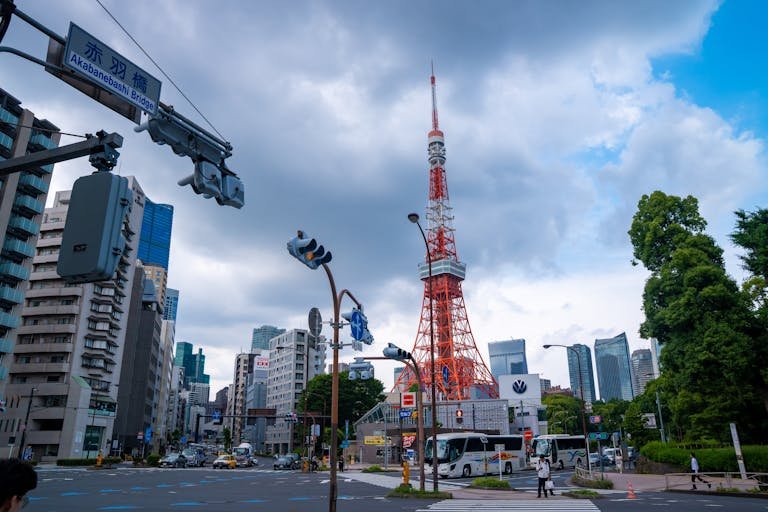
The Tokyo Tower, an iconic landmark that dominates the city’s skyline, is another must-visit for stamp collectors. Its stamp features the tower’s distinctive red and white design, making it a striking addition to any collection. These stamps not only serve as mementos but also as miniature artworks that capture the essence of each site.
Visitors should also explore the various parks and gardens in Tokyo, such as the Ueno Park and the Hibiya Park, where they can find additional stamps that reflect the city’s natural beauty and green spaces.
Stamping at Historical Sites in Kyoto
Kyoto, the former imperial capital of Japan, is steeped in history and tradition, making it a treasure trove for stamp collectors. The city’s numerous temples, shrines, and historical landmarks offer an array of stamps that reflect the rich cultural heritage of the region. Sites like the Fushimi Inari Shrine and the Kiyomizu Temple are particularly popular among enthusiasts.
The Fushimi Inari Shrine, famous for its thousands of vermilion torii gates, offers a stamp that captures the vibrant colors and spiritual significance of the site. This stamp, often depicted in various designs, is a cherished addition to any collection. Similarly, the Kiyomizu Temple, known for its stunning views and historical significance, provides a unique stamp that reflects its architectural beauty and serene ambiance.
Another highlight for stamp collectors in Kyoto is the Gion district, the heart of traditional Japanese culture. Here, visitors can find stamps at various locations that depict the district’s traditional architecture and the essence of its cultural significance. These stamps not only serve as mementos but also as a window into the history and culture of Kyoto.
For those interested in Japan’s natural beauty, the Arashiyama Bamboo Grove and the Philosopher’s Path offer serene landscapes and unique stamp designs that capture the essence of Kyoto’s natural beauty.
Discovering Hidden Gems in Rural Japan
While Japan’s major cities offer a wealth of stamp collection opportunities, rural areas provide a unique and often overlooked experience for enthusiasts. From the picturesque countryside of Hokkaido to the serene landscapes of Kyushu, rural Japan is filled with hidden gems that are perfect for stamp collectors.
In Hokkaido, the Daisetsuzan National Park offers stunning natural beauty and a variety of stamp designs that reflect the region’s unique flora and fauna. The park’s stamps, often featuring the majestic peaks and serene valleys, are a beautiful representation of the area’s natural splendor.
Similarly, in Kyushu, the Kumamoto Castle and the Mount Aso offer stamps that capture the region’s historical and natural significance. The Kumamoto Castle’s stamp, with its detailed depiction of the castle’s architecture, is a must-have for any collector. The Mount Aso’s stamp, showcasing the iconic volcano, adds a touch of adventure and natural wonder to the collection.
These rural areas not only offer unique stamps but also provide an opportunity to explore lesser-known corners of Japan, offering a more authentic and intimate travel experience.
Best Practices for Stamp Collecting in Japan
While stamp collecting in Japan is a delightful activity, there are a few best practices that can enhance the experience and ensure that you make the most of your trip. First, it’s important to carry a stamp album or notebook where you can store your stamps safely. This not only protects the stamps but also allows you to organize your collection systematically.
Another tip is to research the locations beforehand to know which sites offer stamps and where they are located. This can save time and ensure that you don’t miss out on any opportunities. Additionally, it’s advisable to bring a map or a guidebook to navigate the various sites and ensure that you visit all the must-visit locations.
Finally, it’s always a good idea to engage with local guides or tourism centers to learn more about the stamps and the significance of the sites. This not only enriches the experience but also provides insights into the cultural and historical significance of each stamp.
Frequently Asked Questions
Q: Are the stamps free at all locations?
A: Yes, most locations in Japan provide stamps for free. However, some may require a small donation or a purchase of a ticket or guidebook. It’s always a good idea to check with the location beforehand.
Q: What should I bring for stamp collecting?
A: It’s best to bring a stamp album or notebook, a map or guidebook, and a camera to document your journey. A small pencil or pen can also be useful for additional notes.
Q: Are there any specific seasons or times when it’s better to collect stamps?
A: While stamps can be collected year-round, certain seasons may offer unique designs or opportunities. For example, the spring and autumn seasons in Kyoto provide stunning natural beauty, which is often reflected in the stamp designs. Similarly, visiting during cultural festivals can offer special editions or themed stamps.
This article is for informational and educational purposes only. Always verify current travel information, visa requirements, entry rules, and health guidance with official government sources and qualified professionals before making travel decisions.
Partner resource — we may earn a commissionBook tours & activities (Viator) →