·

Why Renting Cars in Japan Is not Popular

Discover why many travelers skip car rentals in Japan, opting for public transport and tours for a hassle-free experience.

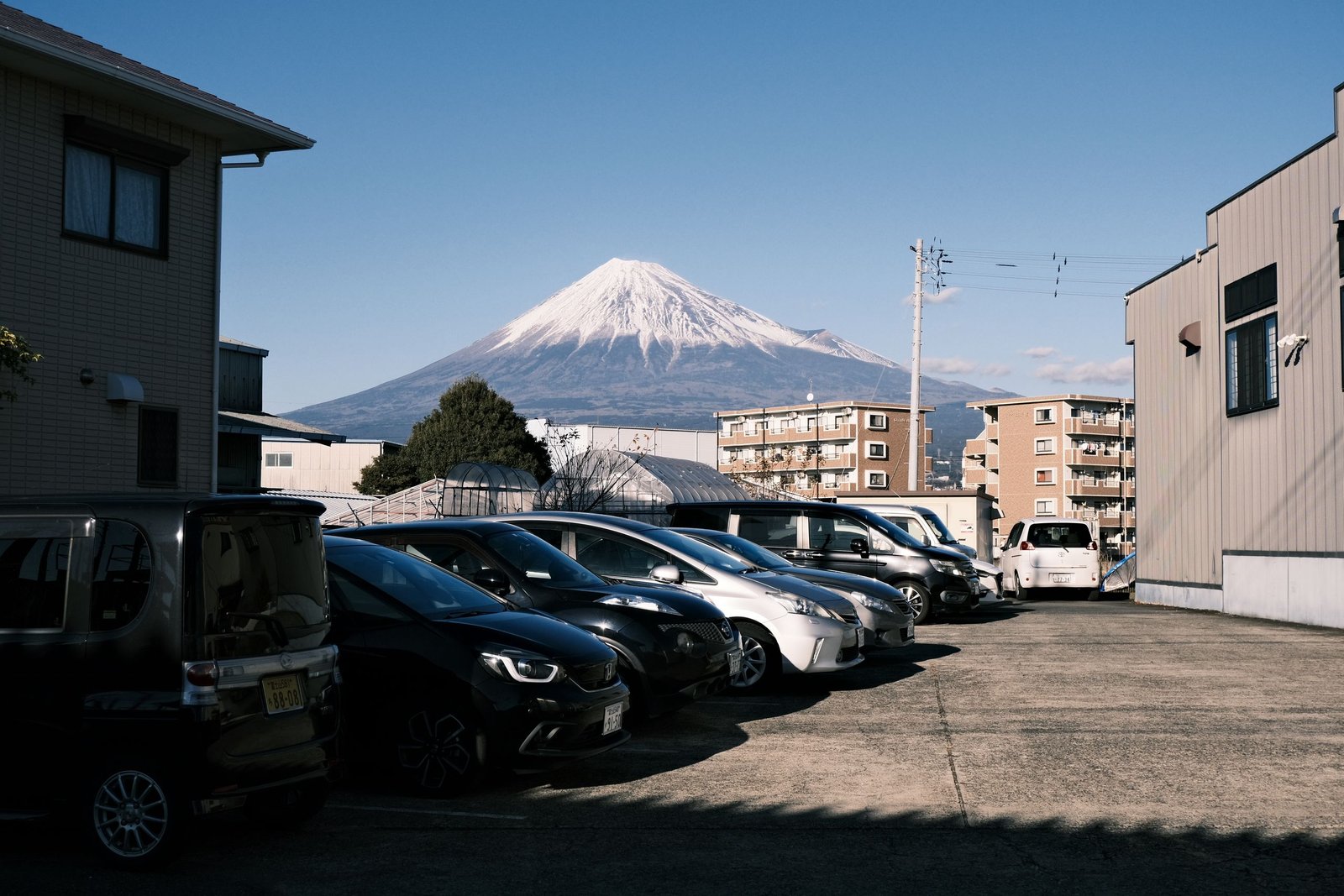
Captured in Fuji, Shizuoka with Mount Fuji in the backdrop and a parking lot scene.
Photo by Huu Huynh

Contrary to expectations, many travelers to Japan opt not to rent a car despite the country’s vast landscapes and diverse regions. This decision is often rooted in a combination of practical considerations and cultural nuances that make alternative modes of transportation more appealing and convenient.

Understanding Japan’s Public Transportation Network

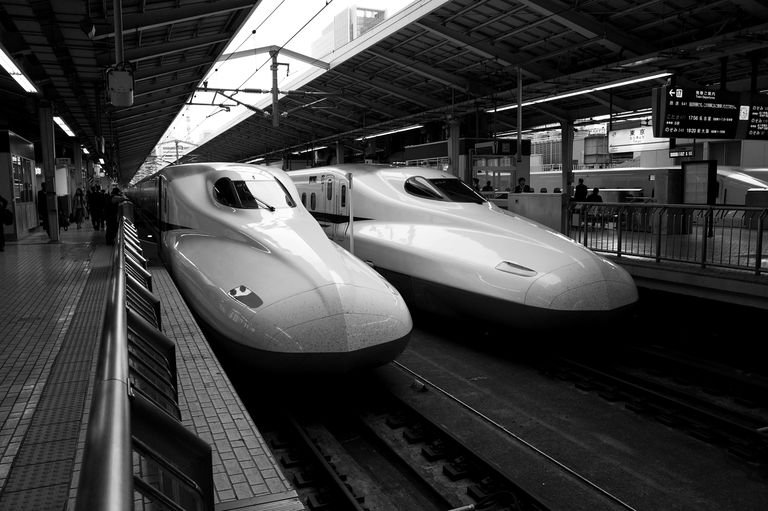
Japan is renowned for its efficient and expansive public transportation system, which caters to both the local population and tourists. The Shinkansen, or bullet train, connects major cities with remarkable speed and punctuality. In urban centers, extensive subway and train networks provide frequent and reliable service, making it easy for travelers to navigate the bustling streets of Tokyo, Osaka, and Kyoto without a car.

KiwiTaxi lets you pre-book a fixed-price transfer from Japan – price confirmed before you land, driver waiting at arrivals with your name. KiwiTaxi

Moreover, buses and local trains further extend the reach of the network, allowing access to more remote areas that are often overlooked by those preferring private vehicles. The comprehensiveness of this infrastructure is such that many seasoned travelers find it unnecessary to rent a car, instead relying on public transport for its convenience and efficiency.

So how do you get around instead? Japan Travel Tips: No Car Needed →

Travelers frequently cite the seamless integration of various transit modes as a key factor in their decision. For instance, in Kyoto, the combination of train and bus routes can take visitors to historical sites and temples, such as Fushimi Inari Shrine and Kinkaku-ji, with ease and without the hassle of finding parking.

As travelers familiarize themselves with the network, the advantages of Japan’s public transportation become increasingly evident, reducing the need for a personal vehicle and adding to the allure of a car-free trip.

Navigating Urban Challenges

In major cities like Tokyo and Osaka, parking can be a significant hurdle for car owners. The dense urban environment often lacks sufficient parking spaces, making it difficult and expensive to find a spot, especially in popular tourist areas. Furthermore, parking regulations are stringent, requiring drivers to adhere closely to specific guidelines and fees, which can be a daunting prospect for foreign visitors.

Another significant challenge is the complex traffic regulations and road conditions that can be overwhelming for first-time visitors. Japanese traffic tends to be highly regulated, with designated lanes and specific driving behaviors that are not always intuitive for foreign drivers. Additionally, in snowy regions, the necessity for winter tires or chains adds another layer of complexity, deterring many from the prospect of renting a car.

Given these urban challenges, many tourists prefer the stress-free experience of traveling without a car. Public transport not only circumvents these issues but also allows travelers to fully immerse themselves in the vibrant city life, engaging with the culture and community in a more immediate and engaging way.

While a car might offer more flexibility in certain areas, the urban difficulties of Japan make the decision to forgo a rental a practical and often preferred choice for many visitors.

Alternative Modes of Transportation

Japan offers a myriad of alternative transportation options that can complement or replace car rentals. Bicycles, for example, are a popular choice for exploring cities and their immediate surroundings, providing a unique perspective on the urban landscape. Bicycle rentals are widely available, and many cities feature dedicated cycling paths that make pedaling around a breeze.

Electric scooters and ride-sharing services have also gained popularity, especially in urban areas. These options offer a modern and convenient way to navigate city streets, with many services integrating seamlessly into mobile apps for easy booking and payment.

Moreover, in rural regions, local transportation providers often offer day tours and sightseeing trips that cover key attractions and hidden gems, providing a comprehensive experience without the need to drive.

By embracing these alternative modes of transport, visitors can experience Japan in a more authentic and hassle-free manner, bypassing the logistical challenges of car rental and parking.

Cultural and Practical Considerations

Culturally, Japan has a deep-rooted respect for public spaces and communal living, which extends to its transportation systems. Public transport is viewed as a shared resource, with passengers adhering to unwritten rules of politeness and etiquette. This cultural context can make the prospect of driving, with its associated risks and challenges, less appealing.

Practically, renting a car requires a valid international driver’s license, which can be a bureaucratic process. Additionally, insurance requirements and the need to understand traffic laws in a foreign language can deter some travelers. The potential for encountering aggressive drivers or unfamiliar road conditions also weighs heavily on the decision-making process.

Moreover, the Japanese culture’s emphasis on punctuality and efficiency aligns well with the reliability of public transport, making it a logical choice for many tourists.

The combination of cultural norms and practical challenges reinforces the preference for public transportation, ensuring that a car-free journey remains a viable and often preferred option for many visitors.

Specific Scenarios Where Car Rentals Shine

While many travelers opt out of car rentals due to the aforementioned factors, there are specific scenarios where having a personal vehicle can offer significant advantages. For instance, families traveling with young children or elderly relatives may find a car more suitable for their needs, offering greater flexibility and comfort in navigating less accessible areas.

Similarly, those planning off-the-beaten-path excursions to remote or mountainous regions might require a car to reach destinations not served by public transport. In such cases, the ability to travel independently can provide unique experiences that might be difficult to achieve otherwise.

However, these instances remain the exception rather than the norm, as the majority of visitors find that Japan’s public transportation system adequately meets their needs and preferences.

While a car can provide unparalleled freedom in certain situations, the benefits of public transport in Japan often outweigh the conveniences of personal vehicles, making it a preferred option for most travelers.

Frequently Asked Questions

Is it easy to navigate Japan’s public transportation? Yes, Japan’s public transportation system is incredibly user-friendly, with clear signage, detailed maps, and multilingual information readily available. Many stations have English-language announcements, and apps like Google Maps offer real-time transit options, making navigation straightforward even for first-time visitors.

What are some tips for avoiding parking hassles in cities? To avoid parking difficulties, consider staying in accommodations that offer secure parking or are conveniently located near public transport hubs. Additionally, many hotels and tourist attractions provide shuttle services, reducing the need for a personal vehicle. Opting for day tours and local guides can also minimize the reliance on a car.

How can I explore rural areas without a car? Rural areas often have local transportation services and tour operators that offer guided excursions. These options not only provide transportation but also offer insights into the local culture and attractions, making them a rewarding alternative to renting a car.

This article is for informational and educational purposes only. Always verify current travel information, visa requirements, entry rules, and health guidance with official government sources and qualified professionals before making travel decisions.

Affiliate Disclosure: This article may contain affiliate links. If you purchase through these links, we may earn a small commission at no additional cost to you. We only recommend products and services we believe will add value to our readers.

Partner resource — we may earn a commissionBook an airport transfer (KiwiTaxi) →

Similar Posts