
Note: This site participates in the Amazon Affiliates and other affiliate partner programs at no cost to you. Visiting an affiliate partner site may result in this site receiving a commission. For more information visit our Affiliate Disclosure page.
Tokyo is not one thing. It is a loose collection of districts, each large and distinct enough to be its own city, tied together by the most useful train network on earth. That is the case for visiting, and it is why a first trip rarely feels like enough.
The short answer
Come for the range: a working shrine and a teen-fashion street a few minutes apart, food that is world-class at every price point, and a dozen neighbourhoods that each reward a full day. The scale is manageable because the trains are, and the city is safe, clean and punctual to a degree that surprises most first-time visitors. For a plan of what to actually do, see the best things to do in Tokyo. This page is about whether to go at all.
Old and new in the same block
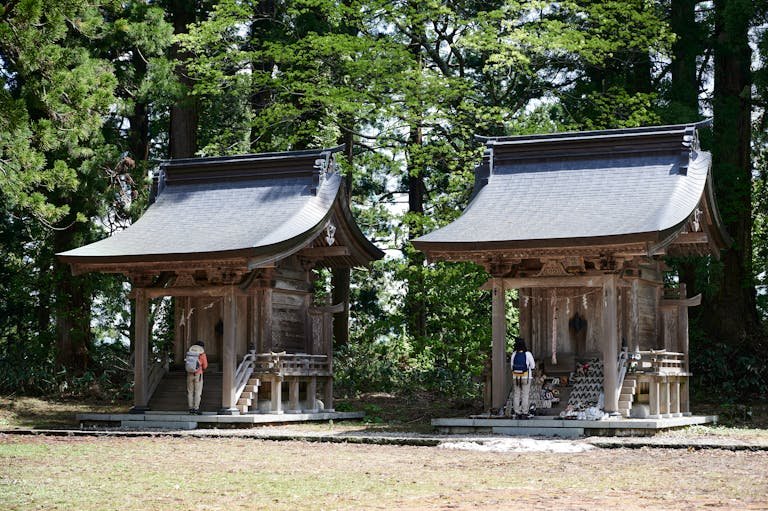
The contrast is real and it is constant. Meiji Jingu, a Shinto shrine in a planted forest, sits directly next to Harajuku’s Takeshita Street. Senso-ji, the oldest temple in the city, stands in the shadow of the Tokyo Skytree. teamLab’s digital-art museums, Borderless in Azabudai Hills and Planets in Toyosu, are a short train ride from centuries-old gardens. You do not have to seek this out. It is the normal texture of the city.
Every district is a different city
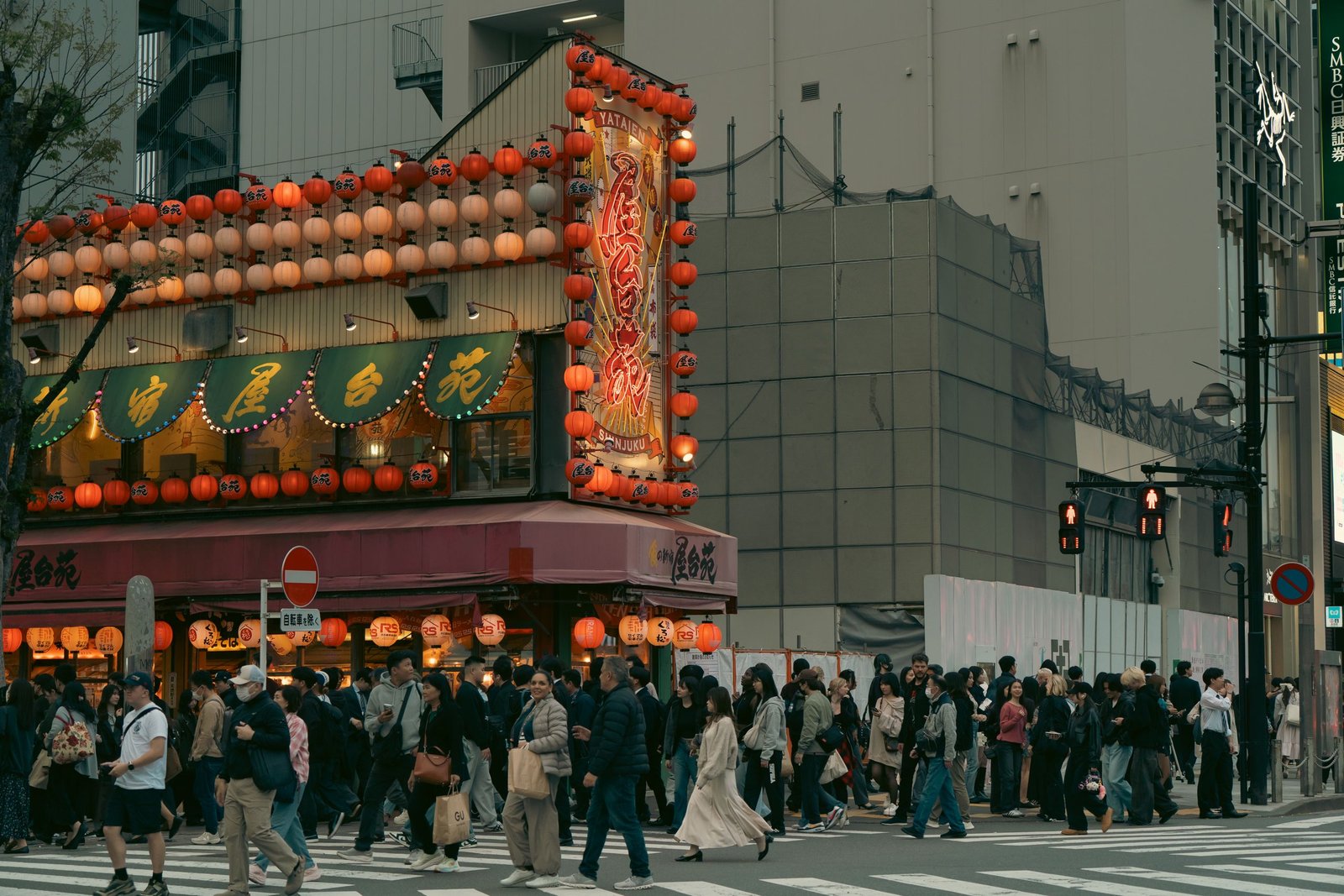
- Shibuya and Shinjuku for the crossing, the department stores and the nightlife.
- Asakusa and Yanaka for the low-rise, older side of Tokyo that most of the city has built over.
- Shimokitazawa and Koenji for secondhand shops, small live venues and coffee.
- Ginza and Marunouchi for flagship stores and the Imperial Palace grounds.
Pick a base near a major line and treat each day as a visit to one of these.
Ready to plan the days? Best Things to Do in Tokyo →
Food at every level
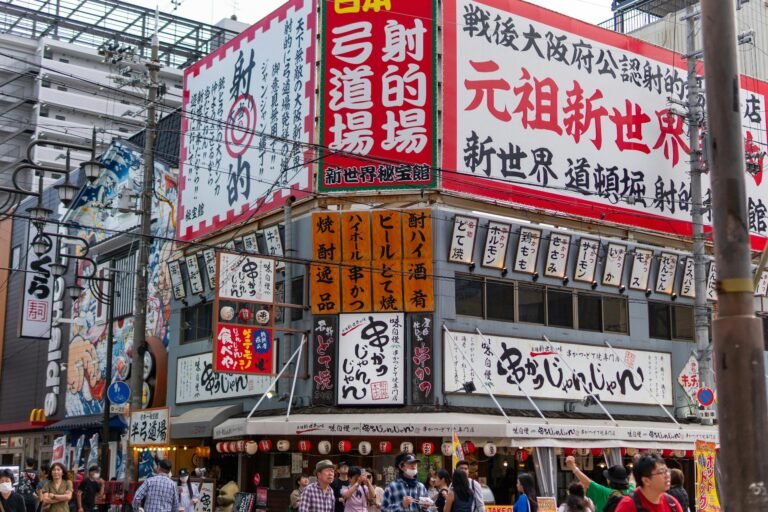
Tokyo has more Michelin stars than any other city, but the everyday eating is the point: standing sushi counters, ramen shops with a ticket machine at the door, the food halls in every department-store basement, and the tiny bars of Golden Gai and Omoide Yokocho. You can eat extremely well here for very little.
The trains make it work
A metropolitan area of nearly 40 million people should be exhausting to move around. It is not. The metro and JR lines are frequent, on time and signed in English, and a Suica or PASMO IC card removes the need to think about fares. Most days you tap in, ride a few stops, and walk.
It is a base for day trips
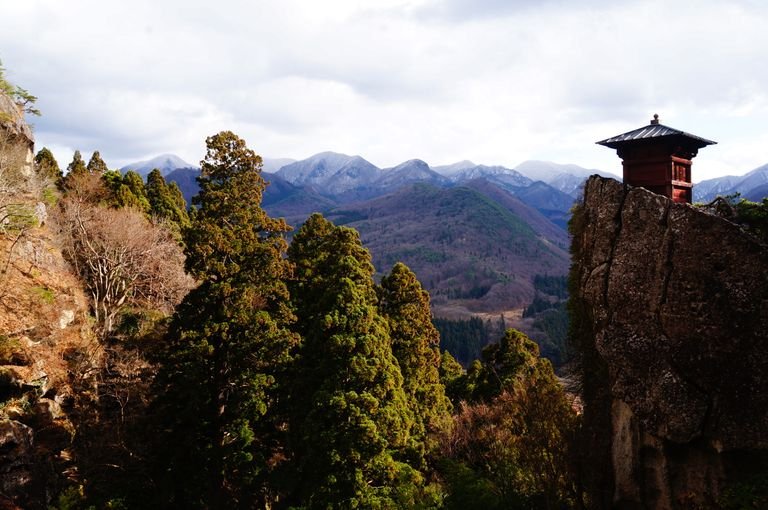
Nikko for mountain shrines, Kamakura for the Great Buddha and the coast, Hakone for hot springs and Fuji views, and the Fuji Five Lakes by bus or train. Each is a comfortable day out and back, which means you can add landscape to a city trip without changing hotels.
Frequently asked questions
Is Tokyo worth visiting?
Yes, particularly on a first trip to Japan. The mix of old and new, the food at every price, and the ease of getting around make it one of the most rewarding big cities to visit, and it works as a base for day trips into the mountains and to the coast.
How many days should I spend in Tokyo?
Three full days for the main areas, four or five to add a day trip and some slower neighbourhood time. It is easy to fill a week.
Tokyo or Kyoto for a first trip?
Both, if you can. Tokyo for the scale, the food and the modern city; Kyoto for temples, gardens and the historic core. They are about two and a quarter hours apart by Shinkansen.
Where should I stay in Tokyo?
Near a JR Yamanote Line or major metro station. Shinjuku, Shibuya, Tokyo Station and Ueno are all well connected. Staying slightly outside the busiest areas is cheaper and still only a short ride from everything.
How I approached it
I stayed outside the centre to keep costs down and rode the metro in each day. An IC card made the short hops painless, and I walked long stretches between stations rather than changing lines. Over several days I worked through Meiji Jingu, Shibuya, Shinjuku, the Imperial Palace walk and Ginza, spent a morning in Kappabashi looking at knives, and saw a performance at the Kabuki-za. On a separate day I took an organised bus tour from downtown out to the Mount Fuji viewpoints, which took all the transport planning out of one day.
Where to go next
For the itinerary, see the best things to do in Tokyo. To lock in the timed-entry attractions, read how to book Tokyo activity tickets. For the country as a whole, 10 reasons to visit Japan. Everything we have written on the city sits on the Tokyo hub.
This article is for informational and educational purposes only. Always verify current travel requirements with official government sources before making travel decisions.
Partner resource. We may earn a commissionBook Tokyo tours & activities (Viator) →