
Note: This site participates in the Amazon Affiliates and other affiliate partner programs at no cost to you. Visiting an affiliate partner site may result in this site receiving a commission. For more information visit our Affiliate Disclosure page.
The Glacier Express runs between St. Moritz and Zermatt, two of the best known resorts in the Swiss Alps, and takes about eight hours to cover roughly 290 kilometres. It bills itself as the slowest express train in the world, and that is the appeal. You are not taking it to get somewhere quickly. You are taking it for the day it makes of the journey.
This guide covers the route and what you see from it, how the seat reservation works, what the three travel classes actually buy you, and how the same scenery looks from the ordinary trains that share the tracks.
The short answer
Book a seat as soon as your dates are fixed, because reservations are compulsory and the train sells out in summer. Second class is comfortable and sees exactly the same view as first. Sit anywhere; the route curves back on itself so often that neither side is consistently better. If you have a Swiss Travel Pass or a Half Fare Card, it covers the fare but not the seat reservation, which is charged separately.
If the full eight hours sounds like a lot, the regular regional trains run the same rails for a normal fare, with no reservation and the freedom to stop where you like.
The route, and what you see from it
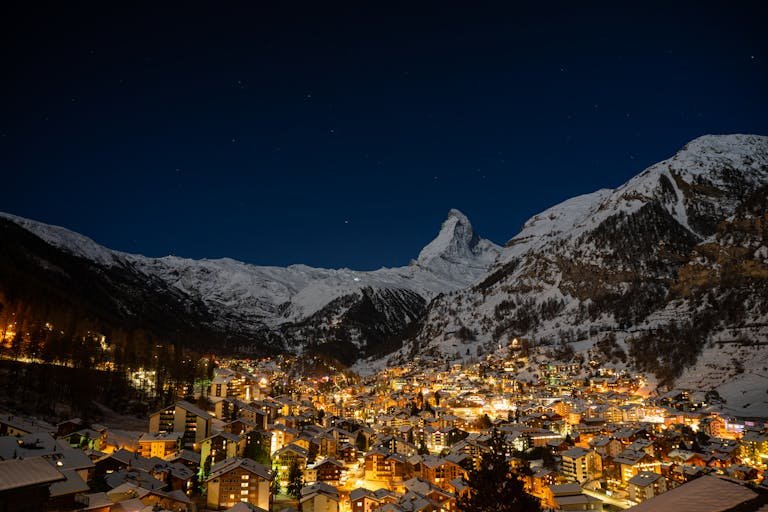
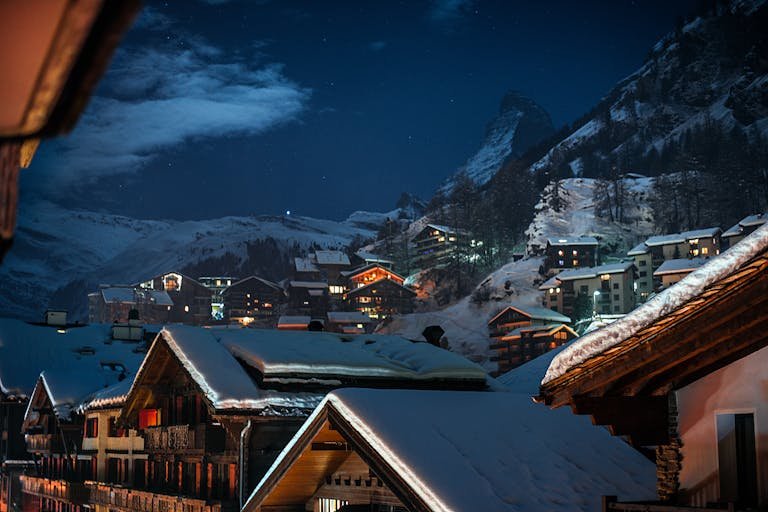
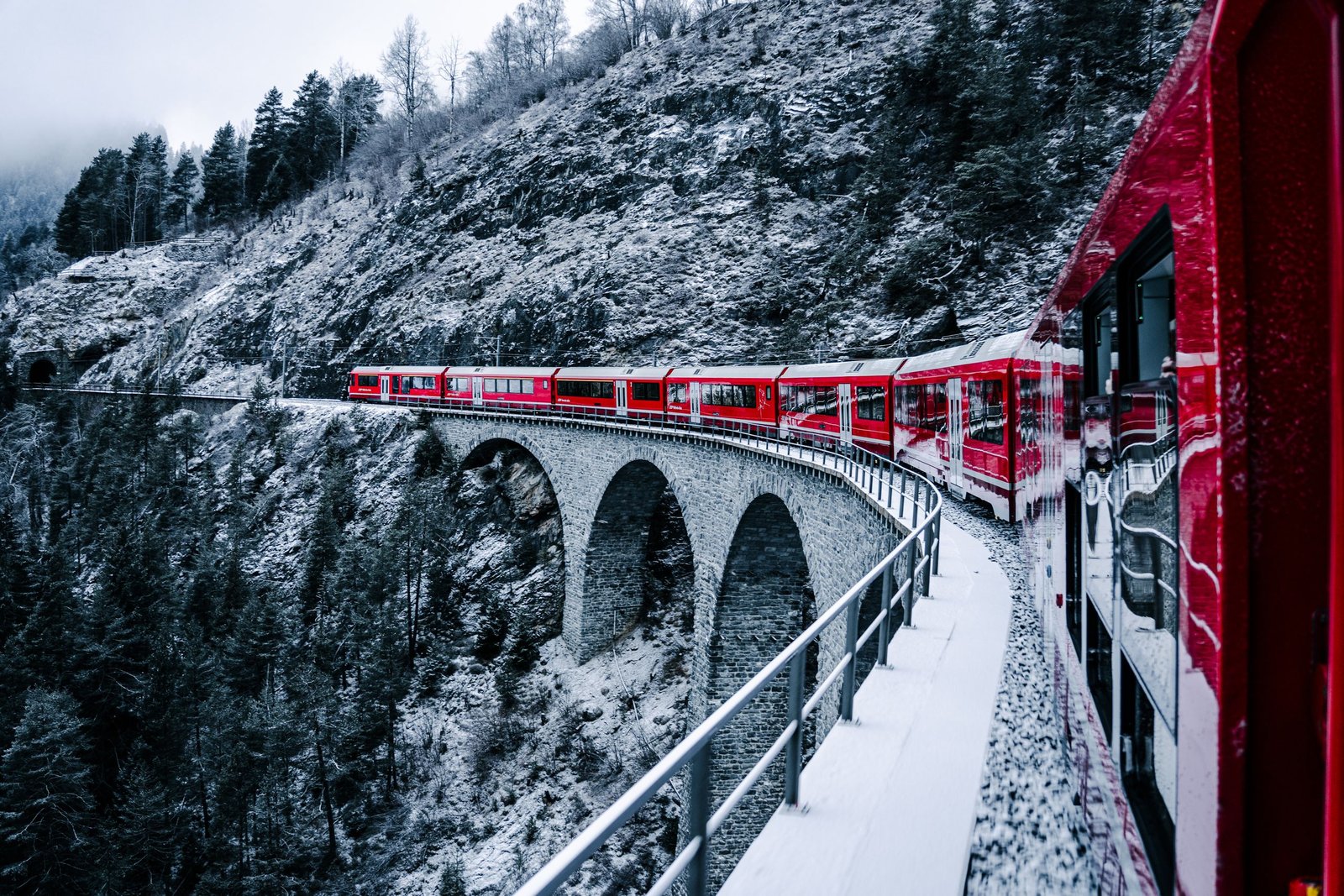
The line climbs from St. Moritz through the Engadine, crosses the Rhine gorge near Reichenau, a limestone canyon the Swiss call their Grand Canyon, and passes the Landwasser Viaduct, the curved six-arch bridge that runs straight into a tunnel in the cliff face. It then works up to the Oberalp Pass at 2,033 metres, the high point of the trip, before dropping through the Furka Base Tunnel into the Rhone valley and finishing with the narrow-gauge climb up to Zermatt.
Because the gradients are steep, the train uses rack-and-pinion sections to grip the track, and in several places the line spirals through the mountain in a loop to gain or lose height without exceeding what the wheels can hold. Those spiral sections are one of the more memorable parts of the ride: you look out and see the track you were on a few minutes ago, now well below or above you.
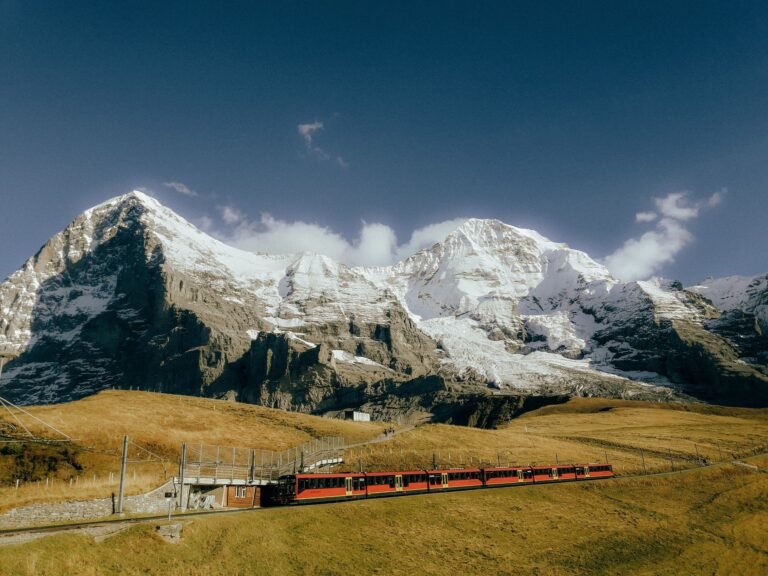
The panoramic carriages are single level, with tall side windows and glass panels in the roof, so the peaks stay in view even when the train is right underneath them.
Booking a seat
When reservations open
A seat reservation is required on top of your ticket or pass. For first and second class, reservations open about 93 days before the travel date. Tickets themselves go on sale earlier, up to roughly six months ahead. Excellence Class can be reserved for the whole timetable period rather than on the 93-day window.
In practice: decide your date, then set a reminder for the 93-day mark and book that morning if you are travelling in July or August. Outside peak summer there is usually more slack.
The three classes
- Second class. The same carriages, the same windows, the same route as first class. For most travellers this is the right choice. You can order lunch to your seat or bring your own food.
- First class. Wider seats, fewer people in the carriage, and a slightly better position in the train. Worth the difference on a busy summer departure if you want more room for eight hours.
- Excellence Class. A guaranteed single window seat with no one beside you, a welcome drink, a multi-course meal, a concierge and a tablet with live route information. It costs several times the second-class fare once the premium reservation is added, and it is limited to a small number of seats per train. It is a treat, not a transport upgrade.
Prices move each year. As a rough guide, the one-way second-class fare for the full route runs around CHF 160, first class around CHF 270, with the seat reservation another CHF 50 or so on top, set by season. Check the current figures on the official Glacier Express site before you book.
If you have a Swiss Travel Pass or Half Fare Card
A Swiss Travel Pass counts as your ticket for the whole route; you pay only the seat reservation. A Half Fare Card takes 50 percent off the fare, and again you pay the reservation in full. The same applies to Eurail and Interrail passes. This is worth knowing before you buy a separate full-price ticket you did not need. We cover which pass makes sense in the Switzerland transport guide.
You can compare passes and buy Glacier Express tickets ahead of time online. Trip.com
What the ride is actually like
I rode the full route and had lunch brought to my seat as the train worked through the mountains. It is slow next to the fast intercity trains I had been taking around the rest of the country, and that turned out to be the point. The pace is part of the atmosphere. You settle in, the landscape moves past at a walking-tour speed, and eight hours goes quicker than you expect.
The spiral track sections were the highlight for me. Watching the train curl back over or under its own route, with the valley opening up below, is the kind of thing the schedule photos do not quite prepare you for. The on-board staff were also genuinely excellent, attentive to everyone in the carriage for the whole run.
One honest caveat. I went outside winter, so the mountains were green rather than the deep snow scene I had pictured when I booked. It was still spectacular, but if the snow-covered version is what you have in mind, aim for late winter or early spring. I would happily do the trip again to see it that way.
I chose the Glacier Express mainly for the experience of it, knowing from my own research beforehand that ordinary trains cover a good part of the same route for less.
The cheaper alternative on the same tracks
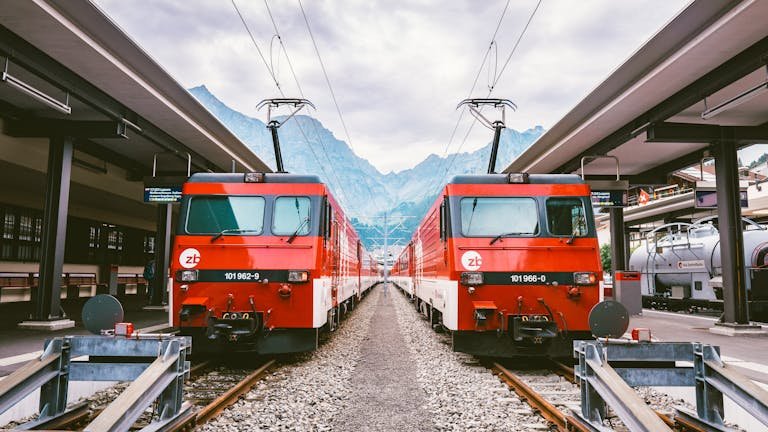
The Glacier Express does not have the scenery to itself. Regular regional trains run the same lines all day:
- St. Moritz to Chur on the Rhaetian Railway, over the Albula line with the Landwasser Viaduct and the spiral tunnels.
- Chur to Disentis through the Rhine gorge.
- Disentis over the Oberalp Pass to Andermatt on the Matterhorn Gotthard Bahn.
- Brig to Zermatt up the Matterhorn valley.
These trains take normal fares, need no reservation, and let you break the journey to stay a night in Chur or Andermatt. You lose the glass roof and the meal service, and you may need to change trains two or three times, but you see the same country through the window at a fraction of the cost. It is a fair option if the full price does not suit your budget, or if eight hours in one seat does not appeal.
Getting off at the Zermatt end? Zermatt Without a Car →
Frequently asked questions
How far in advance can you book the Glacier Express?
Tickets sell up to about six months ahead. First and second class seat reservations open around 93 days before the travel date, and that is the one to plan around for summer departures. Excellence Class can be booked for the full timetable period.
Is the Glacier Express covered by the Swiss Travel Pass?
The pass covers the fare for the whole route. You still pay the compulsory seat reservation separately. A Half Fare Card takes 50 percent off the fare and you also pay the full reservation.
Which side of the train has the best views?
There is no consistently better side. The line curves back on itself throughout, so the view swaps from one window to the other repeatedly. The roof glazing means you do not miss much either way.
Do you have to do the whole eight hours?
No. You can book a shorter leg, for example Chur to Zermatt at around five and a half hours, or ride the regional trains and stop overnight along the way.
Is second class good enough?
Yes. Second class uses the same panoramic carriages and the same route as first. First class buys more space and a quieter carriage, which some travellers value over a full day.
When is the best time to go?
The train runs all year. Summer gives long days and green alpine pasture. Late winter and early spring give the snow-covered landscape most people picture, with shorter daylight.
Where to go next
Sorting out the wider trip? Start with Best Transportation Options for Traveling Around Switzerland, which covers the passes in detail. Building days around Zurich first? See Day Trips from Zurich. Everything we have written on the country sits on the Switzerland hub.
This article is for informational and educational purposes only. Always verify current travel requirements with official government sources before making travel decisions.
Partner resource. We may earn a commissionCompare Swiss rail passes & tickets (Trip.com) →