
Note: This site participates in the Amazon Affiliates and other affiliate partner programs at no cost to you. Visiting an affiliate partner site may result in this site receiving a commission. For more information visit our Affiliate Disclosure page.
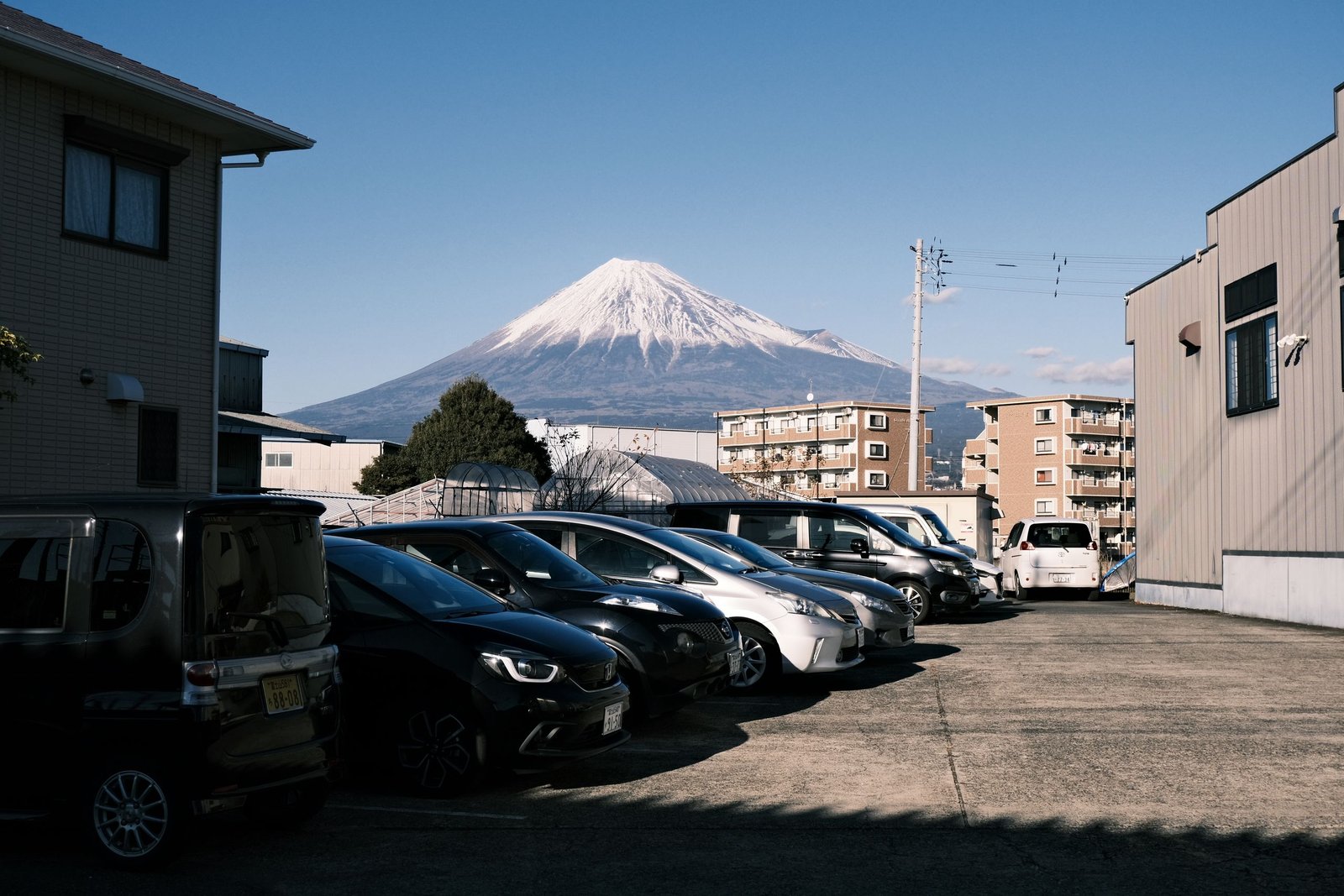
Most foreign visitors to Japan never rent a car, and for the typical trip, a few cities plus some famous side trips, that is the right call. Here is why the rental counter stays quiet, and the times it is worth using anyway.
The short answer
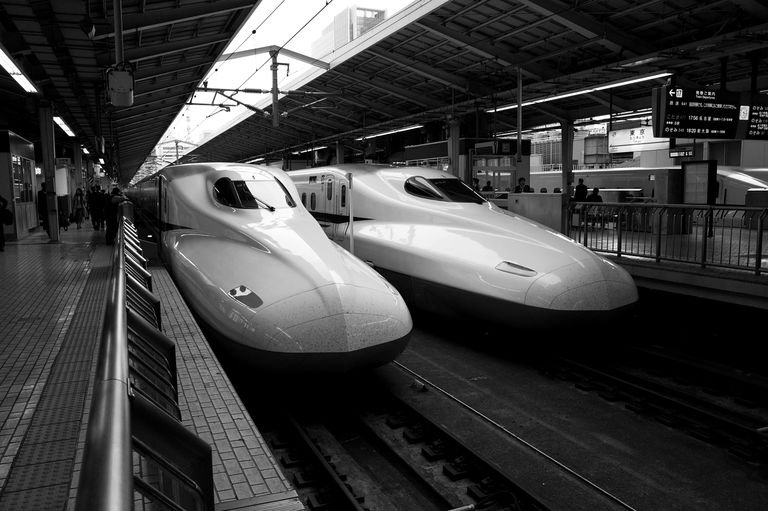
For city-to-city travel on the classic route, the train is faster door-to-door, cheaper once you add up tolls, fuel and parking, and far less stressful than driving on the left through an unfamiliar city. A car earns its keep only in rural regions the trains do not reach well.
Why visitors skip renting
- The paperwork. To drive in Japan you need either an International Driving Permit issued under the 1949 Geneva Convention (fine for the US, UK, Canada, Australia and 80-odd other countries) or, if your licence is from Switzerland, Germany, France, Belgium, Monaco or Taiwan, an official Japanese translation from JAF. IDPs issued under the 1968 Vienna Convention are not valid in Japan, a trap for some European visitors.
- The cost stack. Rental, expressway tolls (billed through an ETC card), fuel and parking add up quickly. A reserved Shinkansen seat often costs less than the tolls alone on the same route.
- Parking. In cities it is scarce and metered, many hotels charge for it, and you frequently cannot park at the temple or district you came to see anyway.
- The driving itself. Left-hand traffic, narrow rural lanes, and signage that mixes English with kanji make the first day tiring even for confident drivers.
- Winter. Many regions legally require snow tyres or chains from roughly December to March, and mountain passes close.
So how do you get around instead? Getting Around Japan Without a Car →
My experience
I have never rented a car in Japan, or in Spain, Portugal, Italy, Germany or the Netherlands, for that matter. The local networks have always got me where I wanted to go for less money and less hassle. I might try it one day for somewhere genuinely off the rail map. So far I have not needed to.
When renting a car is worth it
There are real cases for it: rural Hokkaido, the San’in coast, the Noto Peninsula, the interiors of Shikoku and Kyushu, ski trips with equipment, and multi-generation family travel with a lot of luggage away from the main lines. In those places a car opens up villages, coastlines and onsen that public transport reaches slowly or not at all. For the Tokyo, Kyoto, Osaka, Hiroshima corridor, it does not.
Frequently asked questions
Do I need an International Driving Permit to drive in Japan?
Yes, unless your licence is from one of a handful of countries (Switzerland, Germany, France, Belgium, Monaco, Taiwan) that use an official JAF translation instead. The IDP must be issued under the 1949 Geneva Convention; 1968 Vienna Convention permits are not accepted.
Is it cheaper to rent a car or take the train in Japan?
For city-to-city trips on the main routes, the train, once you add expressway tolls, fuel and parking to the rental cost. A car only becomes cost-effective when several people are sharing it across rural areas with no good rail option.
Is it hard to drive in Japan as a foreigner?
Traffic drives on the left, city roads are tight, and rural signage is mixed English and kanji. It is manageable, but most visitors find the first day stressful and decide the trains were the better choice.
When is renting a car in Japan actually worth it?
Rural Hokkaido, the San’in and Noto coasts, deep Shikoku and Kyushu, ski trips, and family trips with heavy luggage off the main lines.
Where to go next
For the how, IC cards, rail passes, apps and luggage forwarding, see Getting Around Japan Without a Car. For a car-free trip built around walking, see the Kumano Kodo hub. Everything we have written on the country sits on the Japan hub.
This article is for informational and educational purposes only. Always verify current travel requirements with official government sources before making travel decisions.
Partner resource. We may earn a commissionBook JR regional passes & IC cards (Klook) →