
Note: This site participates in the Amazon Affiliates and other affiliate partner programs at no cost to you. Visiting an affiliate partner site may result in this site receiving a commission. For more information visit our Affiliate Disclosure page.
Spring and early summer are the best months to travel in Spain. The south is warm but not yet brutal, the north is green, the big festivals fall in this window, and the coast is open before the August crowds arrive. Here are ten trips worth building an itinerary around, all doable by train and bus.
The short answer
Aim for April to mid-June. Base yourself around one or two festival cities, add a stretch of coast or mountains for contrast, and travel between them by rail. Avoid inland Andalusia in July and August, when afternoons routinely pass 40 C.
1. Semana Santa and the Feria de Abril in Seville
Seville runs two very different events back to back in spring: the solemn processions of Holy Week, then, about two weeks later, the Feria de Abril, a week of flamenco dresses, horse carriages and private and public casetas on a dedicated fairground. Book accommodation months ahead for either. The city is at its best in April, before the heat sets in.
2. Las Fallas in Valencia
Held in the week up to 19 March, Las Fallas fills Valencia with enormous satirical papier-mache sculptures, daytime firecracker displays in the main square, and a final night when almost all of them are burned. It is loud and not restful, but it is one of the most distinctive festivals in Europe. Valencia is a straightforward high-speed train from Madrid.
3. The Patios Festival in Cordoba
For the first two weeks of May, private courtyards across the old city of Cordoba open to the public, competing on their displays of potted geraniums, jasmine and fountains. It is free, walkable and low-key, and it pairs naturally with the Mezquita and a night or two in the city.
4. Walk part of the Camino de Santiago
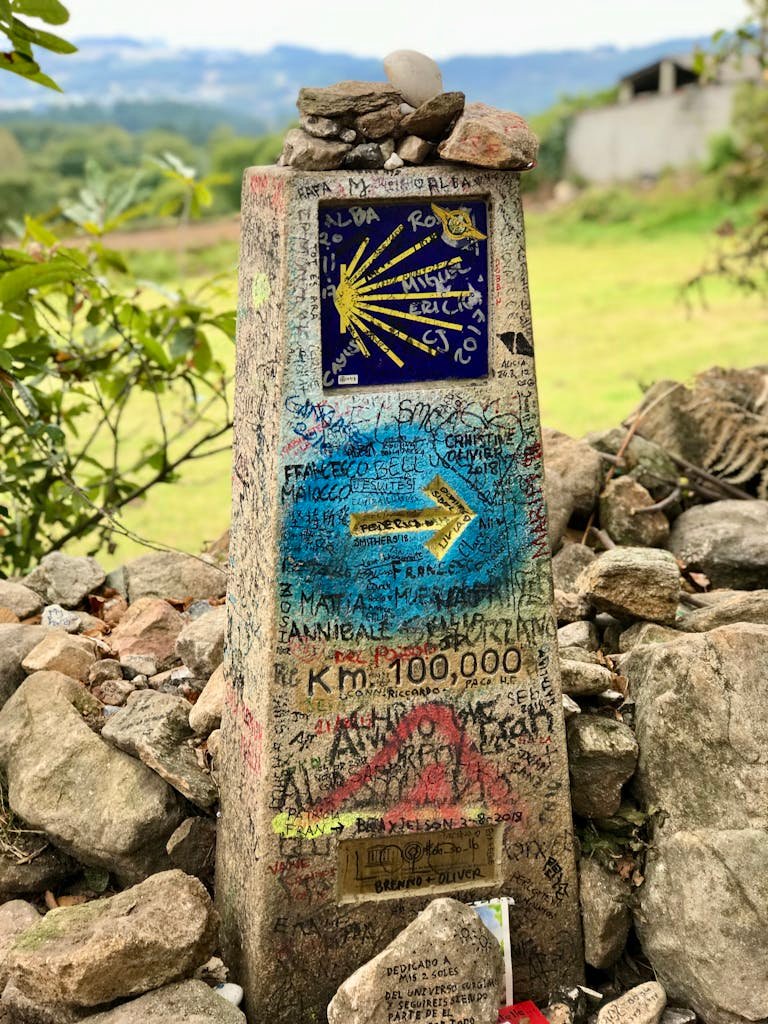
Spring is prime Camino season: cooler walking than summer, wildflowers through Galicia, and fewer people than the July and August peak. You do not need to walk the whole thing. The final 100 km from Sarria to Santiago takes about a week and still earns the Compostela certificate. See our Portuguese Camino guide for a coastal alternative.
Working out the trains and buses? How to Get Around Spain →
5. The Picos de Europa
The limestone range straddling Asturias, Cantabria and Leon is at its best in late spring, when the snow has cleared the main trails and the meadows are in flower. The Covadonga lakes, the Cares Gorge walk and the Fuente De cable car are the standard highlights. Buses run from Oviedo and Santander to the gateway towns.
6. San Sebastian and the Basque coast
Northern Spain stays mild when the south is baking, which makes the Basque Country a strong choice for June and July. San Sebastian has one of the great city beaches and the densest concentration of pintxos bars in the country. Bilbao, with the Guggenheim, is 30 minutes away. Both are on the rail line from Madrid.
7. Menorca and the Cami de Cavalls
The quietest of the Balearics, Menorca is ringed by the Cami de Cavalls, a historic coastal path now waymarked as the GR 223. It runs about 185 km around the whole island in 20 stages of roughly 5 to 14 km, linking coves, lighthouses and the two main towns of Ciutadella and Mao. Walk a few stages between beaches rather than the whole loop. May and June are ideal, before the island fills up.
8. Granada, the Alhambra and the Sierra Nevada
In spring you can tour the Alhambra in comfortable temperatures and still find snow on the Sierra Nevada above the city. Book Alhambra tickets weeks in advance for any season. Granada is also the classic place to still get a free tapa with a drink.
9. The Rias Baixas of Galicia
Galicia’s southwestern coast is a series of deep green inlets with calm beaches, seafood towns and the Cies Islands offshore, reachable by ferry from Vigo in summer. It is cooler and greener than the Mediterranean coast and far less developed. Good for July and August when everywhere else is hot.
10. Madrid’s spring, then a day in Toledo
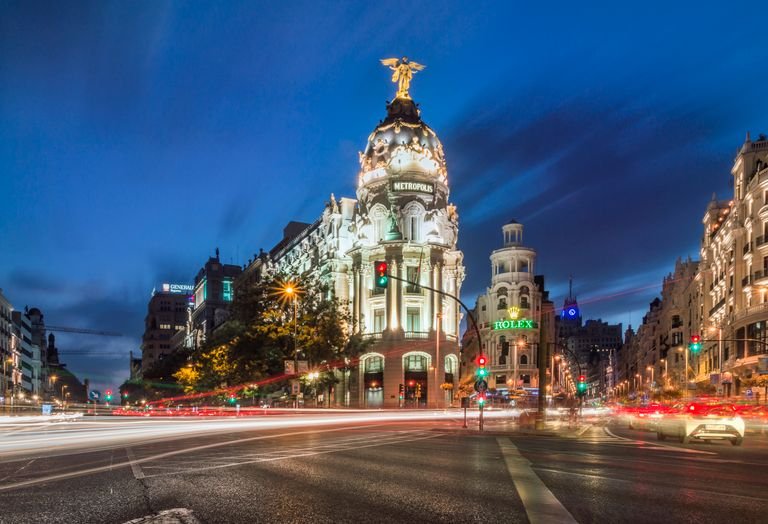
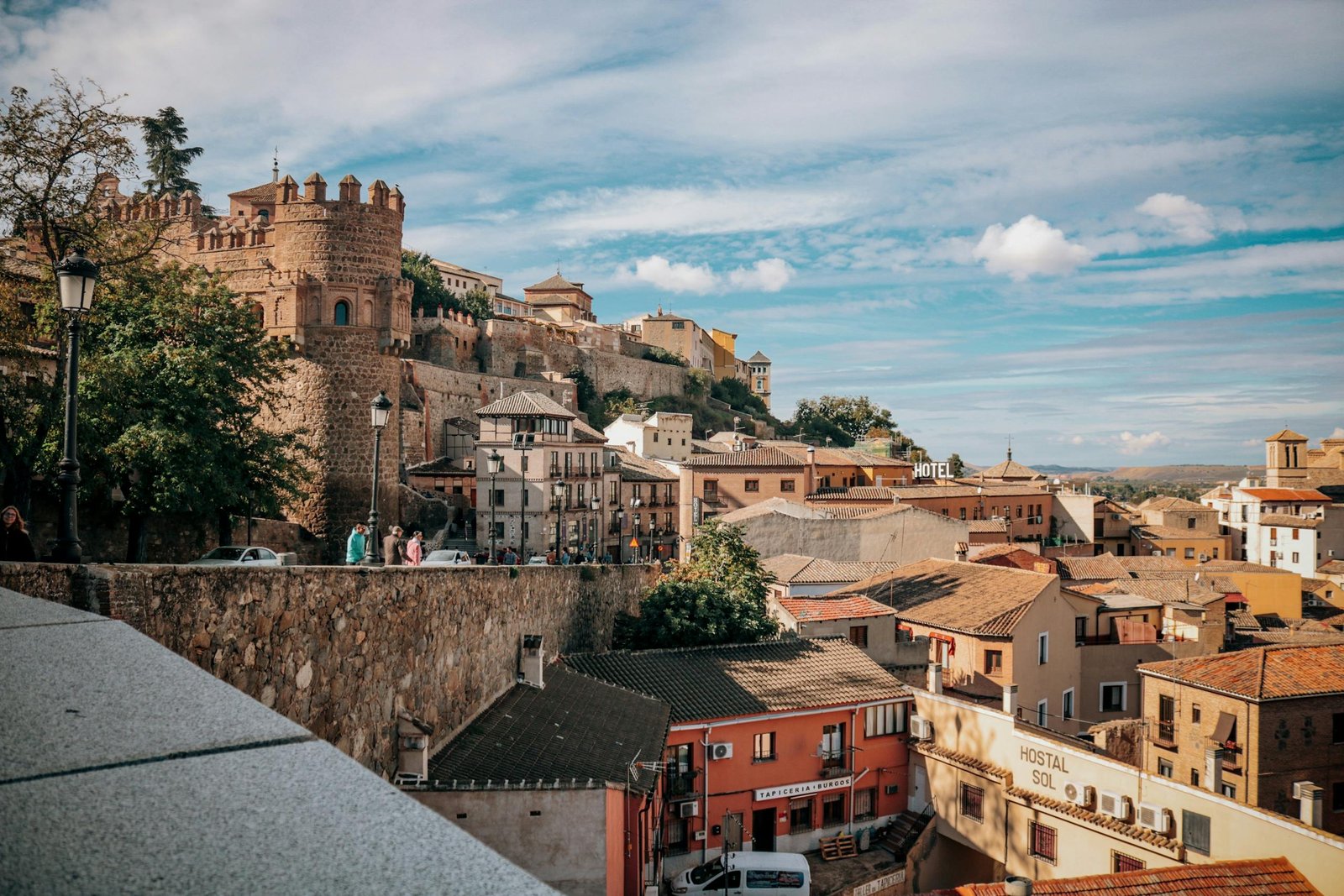
Madrid in May has warm days, long light and outdoor terraces without the dead heat of high summer. Use it as a base: the Prado and Reina Sofia, the Retiro park, and a 30-minute train south to Toledo for a day in the walled old town above the River Tagus. Our 3-day Madrid itinerary lays out a route.
Frequently asked questions
Is it better to visit Spain in spring or summer?
Spring, for most trips. April to mid-June gives you warm weather, the major festivals, green landscapes in the north and the coast before the crowds. Summer suits the northern coast and the Balearics but is uncomfortably hot inland and in the south.
What is the hottest part of Spain in summer?
Inland Andalusia, especially Seville, Cordoba and Ecija, where July and August afternoons regularly exceed 40 C. Plan those cities for spring or autumn and save summer for the coast and the mountains.
Which Spanish festivals happen in spring?
Las Fallas in Valencia (mid-March), Semana Santa across the country (March or April), the Feria de Abril in Seville (about two weeks after Easter), the Cordoba Patios Festival (first half of May), and the Feria del Caballo in Jerez (May).
Can I do a spring trip to Spain without a car?
Yes. Every destination on this list is reachable by high-speed train or intercity bus. See our guide to getting around Spain.
Where to go next
If the coast is what you are after, see the best Spanish coastal towns for summer for specific bases. To sort out the trains and buses between these places, read how to get around Spain. Everything we have written on the country sits on the Spain hub.
This article is for informational and educational purposes only. Always verify current travel requirements with official government sources before making travel decisions.
Partner resource. We may earn a commissionCompare places to stay in Spain (Booking.com) →