Note: This site participates in the Amazon Affiliates and other affiliate partner programs at no cost to you. Visiting an affiliate partner site may result in this site receiving a commission. For more information visit our Affiliate Disclosure page.
Hiroshima, a city forever marked by the somber shadows of history, stands today as a poignant testament to resilience and remembrance. Its landscape, scarred by the devastating events of 1945, has transformed into a sanctuary of peace and reflection, drawing millions of visitors each year to its hallowed grounds. This transformation is not merely physical; it is a spiritual and emotional journey, one that invites introspection and hope amidst the ruins of the past.
The Hiroshima Peace Memorial Park
At the heart of Hiroshima lies the Peace Memorial Park, a sprawling expanse dedicated to the memory of those lost and the pursuit of world peace. Spanning over 120,000 square meters, the park is home to the Peace Memorial Museum, which meticulously documents the events leading up to the bombing and its immediate aftermath. The museum, divided into two buildings, houses a vast collection of artifacts, personal items, and archival materials, providing visitors with a comprehensive understanding of the historical context and the human cost of war.
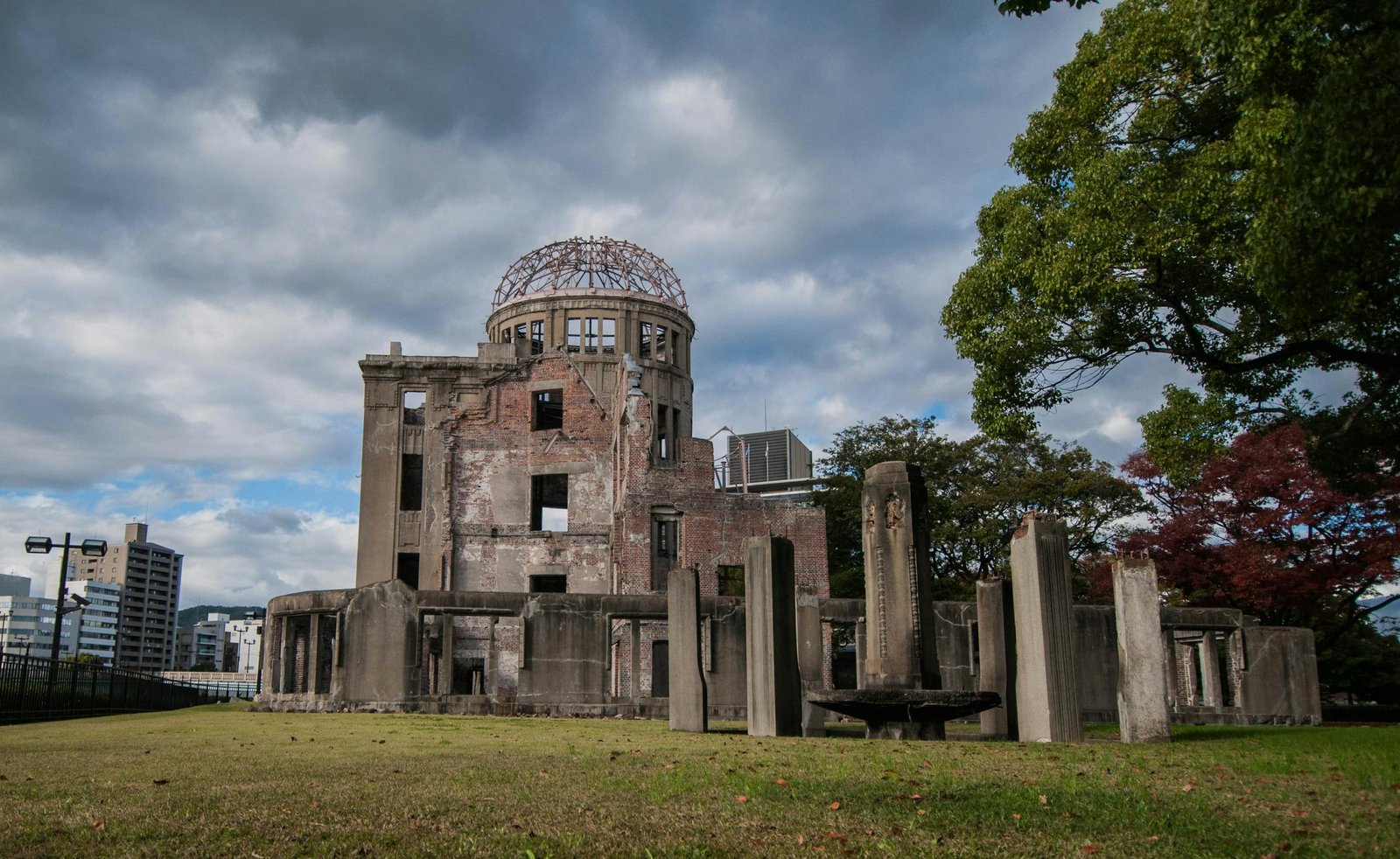
Adjacent to the museum stands the iconic A-Bomb Dome, the skeletal remains of the Hiroshima Prefectural Industrial Promotion Hall, which, miraculously, survived the atomic blast largely intact. The building, now a UNESCO World Heritage site, serves as a powerful symbol of the indiscriminate destruction and enduring scars left by the bombing. Its presence is a stark reminder of the horrors of nuclear warfare, yet it also embodies a message of hope and reconciliation.
The Cenotaph for the A-Bomb Victims, another central feature of the park, commemorates the souls lost in the tragedy. Engraved with the names of over 240,000 individuals who perished, the monument stands as a somber tribute and a testament to the city’s commitment to peace. Its arch-like design is reminiscent of a shelter, symbolizing the protection of the deceased and their memories.
Travelers are encouraged to visit the park early in the morning or late in the afternoon to experience a more tranquil and reflective atmosphere. Many visitors also attend the peace bell ringing ceremony, held every day at 15:00, to honor the victims and pray for global peace.
Hiroshima Castle and Surrounding Attractions
While the Peace Memorial Park is central to Hiroshima’s historical significance, the city also boasts a rich cultural heritage and numerous attractions that offer a glimpse into its pre-war and post-war history. Hiroshima Castle, also known as Carp Castle due to its iconic red walls, is a prime example. Originally built in the 16th century, the castle was destroyed during the war and later reconstructed in 1958. Today, it stands as a symbol of the city’s resilience and serves as a museum dedicated to the history of Hiroshima and the surrounding region.
Surrounding the castle is the Shukkeien Garden, a stunning landscape garden that exemplifies the beauty and tranquility of traditional Japanese design. Its meticulously manicured ponds, bridges, and teahouses provide a serene escape from the bustling city. The garden’s layout, which captures the essence of a much larger natural landscape within its confines, invites visitors to pause and reflect amidst the beauty and harmony of nature.
For those interested in exploring more of Hiroshima’s cultural offerings, the Hiroshima City Museum of Contemporary Art is a must-visit. Housed in a striking building designed by architect Kisho Kurokawa, the museum showcases an impressive collection of contemporary art, including works by both Japanese and international artists. The museum also frequently hosts special exhibitions, offering visitors a dynamic and evolving cultural experience.
Visitors can also venture to the nearby Hiroshima International Peace Memorial Hall, a library and resource center dedicated to fostering a deeper understanding of peace and international relations. The hall’s extensive collection of books, documents, and multimedia materials provides a valuable educational resource for researchers and travelers alike.
Memorial Sites and Museums
Beyond the Peace Memorial Park and Hiroshima Castle, Hiroshima is home to several other significant memorial sites and museums that offer a comprehensive view of the city’s history and its ongoing commitment to peace. The Peace Memorial Hall, located near the A-Bomb Dome, houses an extensive collection of photographs, personal accounts, and artifacts that document the lives of the victims and their families.
The Children’s Peace Monument, dedicated to the memory of Sadako Sasaki and all the children affected by the bombing, is another touching site. Sadako, a young girl who developed leukemia as a result of radiation exposure, became a symbol of hope and perseverance through her efforts to fold a thousand paper cranes. Visitors can contribute to the monument by folding cranes and leaving them in memory of the children lost.
The Hiroshima Peace Memorial Museum’s second building, known as the East Building, focuses on the impact of nuclear weapons on Hiroshima and Nagasaki, as well as the broader context of nuclear disarmament. Exhibits here include personal stories, scientific explanations of nuclear explosions, and global efforts toward peace.
Travelers interested in the broader historical context of the atomic bombings should also consider visiting the Peace Bell and Peace Clock Tower, both of which serve as poignant reminders of the need for vigilance and peace. The Peace Bell, located in the Peace Memorial Park, is rung daily at 15:00, marking the moment the atomic bomb was dropped.
Experiencing Hiroshima Beyond Its Borders
While Hiroshima’s historical sites are central to its identity, the city also offers a wealth of cultural and culinary experiences that reflect its rich heritage and vibrant modern life. Hiroshima-style okonomiyaki, a savory pancake loaded with cabbage, pork, and a variety of toppings, is a must-try for food enthusiasts. Served at numerous restaurants across the city, including the popular Okonomimura, diners can enjoy this beloved dish in a variety of flavors and styles.
The city’s traditional shopping districts, such as Hondori and Motomachi, provide a glimpse into the daily life of locals and offer a range of local products, from souvenirs to handmade crafts. For a unique shopping experience, the Shukkeien Dori Street Market, held every Wednesday and Saturday morning, is a vibrant market where visitors can sample local specialties and purchase fresh produce, flowers, and handcrafted goods.
For those looking to explore beyond Hiroshima’s urban boundaries, a day trip to the nearby island of Miyajima is highly recommended. Known for its iconic floating torii gate, the island is also home to the Itsukushima Shrine, a UNESCO World Heritage site, and the majestic Mt. Misen, offering stunning views and tranquil hiking trails.
Visitors can also experience the charm of traditional Japanese inns, known as ryokans, which provide a taste of traditional Japanese hospitality and cuisine. The ryokans in the Miyajima area, such as Miyajima Onsen Kanko Hotel Ashinoko, offer visitors the opportunity to relax in natural hot springs while enjoying the serene beauty of the island.
Conclusion
A visit to Hiroshima is an immersive journey through history, peace, and resilience. The city’s ability to transform tragedy into a beacon of hope and international understanding is a testament to its enduring spirit. Whether you are drawn to the somber reflections of the Peace Memorial Park or the vibrant cultural experiences that await, Hiroshima offers a profound and unforgettable encounter with the human capacity for both destruction and renewal.
Frequently Asked Questions
How can I plan a respectful and meaningful visit to Hiroshima?
Planning a visit to Hiroshima requires a thoughtful approach, given the city’s profound historical significance. Begin by familiarizing yourself with the history and the key sites you wish to visit. The Peace Memorial Park and its associated sites, such as the A-Bomb Dome and the Peace Memorial Museum, should be at the top of your list. It’s also advisable to allocate ample time to explore the city’s cultural and culinary offerings, which provide a balanced perspective on Hiroshima’s past and present.
What are the must-see attractions in Hiroshima?
Hiroshima is home to numerous must-see attractions that offer a comprehensive view of the city’s history and cultural heritage. The Peace Memorial Park and its museum, the A-Bomb Dome, and the Children’s Peace Monument are essential stops for anyone visiting Hiroshima. Additionally, visitors should not miss the Hiroshima Castle and the Shukkeien Garden for a taste of traditional Japanese beauty. The city’s vibrant food scene, particularly the Hiroshima-style okonomiyaki, is another highlight not to be missed.
How do I respect the cultural and historical significance of Hiroshima?
Respecting the cultural and historical significance of Hiroshima is paramount for a meaningful visit. Visitors are encouraged to approach the city’s sites with a sense of reverence and respect for the memories of those lost. Dress modestly and follow any guidelines provided at the sites, such as maintaining silence and not using flash photography in sensitive areas. Engaging with local guides and participating in cultural activities can also deepen your understanding and appreciation of Hiroshima’s history.
This article is for informational and educational purposes only. Always verify current travel information, visa requirements, entry rules, and health guidance with official government sources and qualified professionals before making travel decisions.