
Note: This site participates in the Amazon Affiliates and other affiliate partner programs at no cost to you. Visiting an affiliate partner site may result in this site receiving a commission. For more information visit our Affiliate Disclosure page.
Most people visit Hiroshima for one reason, and it is the right one. The Peace Memorial Park and Museum are among the most affecting things you can see in Japan. But the city is also an easy, pleasant stop with one of the country’s great shrine islands on its doorstep, and it fits neatly into a wider trip.
The short answer
Go for the Peace Memorial Park and Museum, stay for Miyajima and the food. One full day covers the essentials; two lets you do Miyajima properly without rushing. Hiroshima is a direct Shinkansen stop between Kyoto or Osaka and Kyushu, so it slots into an itinerary without a detour.
The Peace Memorial Park and Museum
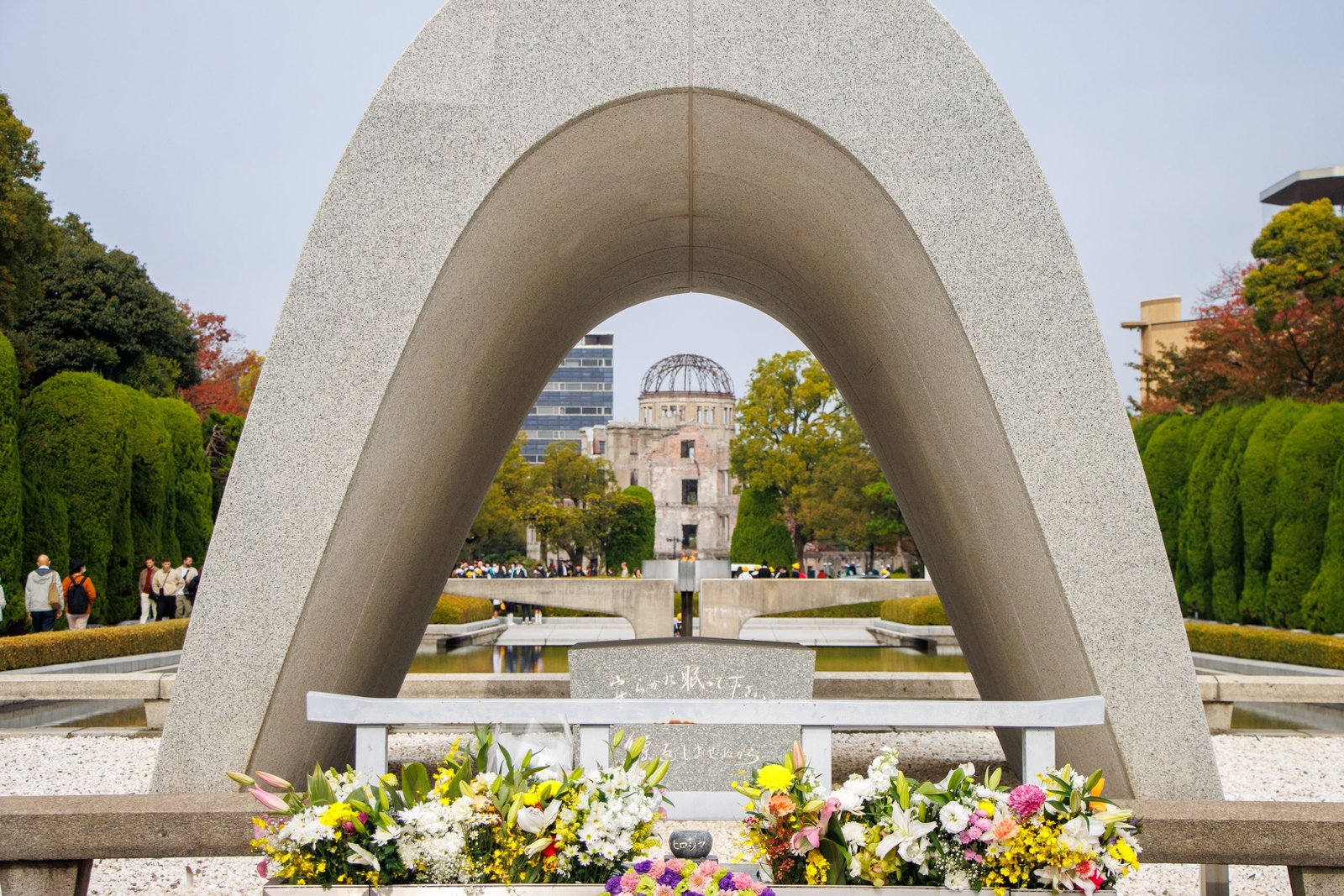
The park occupies the area near the hypocentre of the 6 August 1945 atomic bombing. The A-Bomb Dome, the skeletal ruin of a building left standing close to the blast, is a UNESCO World Heritage site and the park’s focal point. The Peace Memorial Museum presents the event and its human consequences directly and without sensationalism. It is a difficult visit and a necessary one. The mood of the park is somber from the moment you walk in, and the museum is very detailed, focusing on individual people and on the months and years after the bombing, with factual documents and the words of witnesses and survivors. It was the most memorable part of our time in Hiroshima. Allow at least half a day for the park and museum together.
The park itself is walkable in an hour: the Cenotaph framing the Dome and the eternal flame, the Children’s Peace Monument with its glass cases of paper cranes, and the quiet lawns between them. We bought tickets (¥200 for adults) at a kiosk in the museum lobby with no booking, but in peak season a timed online entry can help you avoid a queue. The outdoor plaques around the Dome show photographs of the area before and after the bombing, and many people were walking the park, yet it still felt quiet and peaceful. On our visit a survivor was speaking informally with visitors near the Dome, in English and Japanese. Volunteer guides and audio guides are both available and add a lot of context.
Miyajima and Itsukushima Shrine
A tram and a short ferry from the city, the island of Miyajima has the Itsukushima Shrine with its torii gate that stands in the sea at high tide. It is one of the most photographed sights in Japan and still worth seeing in person. Beyond the shrine, the island has forest trails, wild deer, and the Mount Misen ropeway and summit walk. Stay past the day-trip crowds if you can; late afternoon and evening are quieter. We arrived around 11 am in May and it was already busy: the torii stood on dry mud flats at low tide, the shrine queue was long, and the ropeway only takes you to a platform partway up Mount Misen, not the summit. The deer are very used to people, and snack prices were higher near the ferry and lower the farther we walked.
One day or two? Hiroshima: 1 or 2 Days? →
The food
Hiroshima-style okonomiyaki is built in layers rather than mixed together: a thin crepe, a mound of cabbage, noodles, pork and egg, cooked on a griddle in front of you. Okonomimura, a building full of small okonomiyaki stalls, is the easiest place to try it. We went looking for okonomiyaki on purpose and found a small, quiet restaurant where we enjoyed every bite. In winter, roughly November to March, the region’s oysters are the other local speciality, grilled or fried.
If you have more time
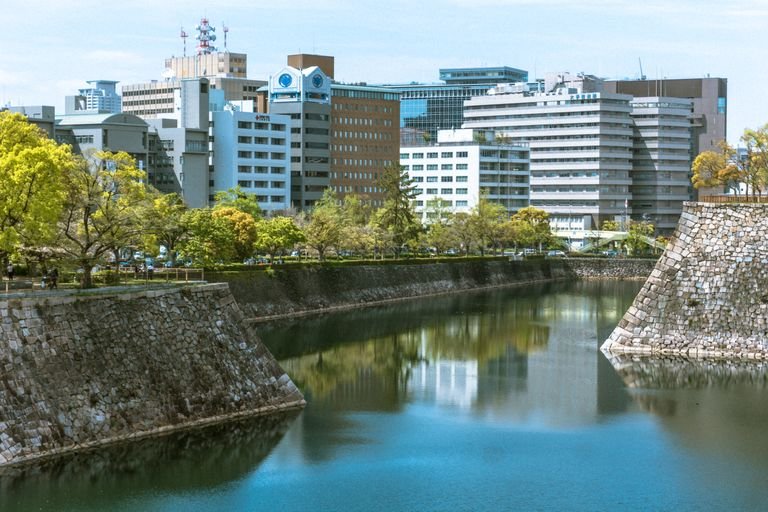
The Mazda Museum near the city runs guided tours of its history and production line by advance reservation. The city centre has the covered Hondori shopping arcade, the reconstructed Hiroshima Castle, and Shukkeien, a compact classical garden a short walk from the station. None of these are reasons to come on their own, but they fill a second day well.
Getting around the city
Hiroshima runs on a network of streetcars (the Hiroden), some of them decades old, and they reach everything a visitor needs: the Peace Park, the castle, the Miyajima ferry terminal at Miyajimaguchi. We paid each ride with an ICOCA card instead of a day pass, and the fares were low. From the Shinkansen station, tram line 2 runs straight to the Peace Park in about 15 minutes.
How I found it
We stayed two nights and saw the main sites over a visit built around the Peace Park, Miyajima and the standard city circuit. We stayed at the Dormy Inn Hiroshima Annex, which has its own onsen, and it was a good way to end each day. We got around entirely by streetcar, train and bus without ever wanting a car, and on the way to the airport we stopped in the sake town of Saijo for a few hours. Buying individual JR tickets at the station was straightforward: the kiosks have an English option and take both cash and cards. We bought an ICOCA card at an airport kiosk after landing and used it on the trams and local buses without trouble. Our advice for the big sights in Japan is to arrive early, since crowds tend to build after about 10 am.
Frequently asked questions
Is Hiroshima worth visiting?
Yes. The Peace Memorial Park and Museum are a significant part of understanding modern Japan, and Miyajima is one of the country’s finest sights. Together they justify the stop on any Japan itinerary that reaches this far west.
How long should I spend in Hiroshima?
One full day covers the Peace Memorial Park, the museum and a quick Miyajima visit. Two days lets you give Miyajima a full afternoon and evening and see more of the city. Our one-day-versus-two guide works through the choice.
How do you get to Hiroshima?
By Shinkansen. It is roughly 1 hour 40 from Shin-Osaka and about 4 hours from Tokyo on the fastest services. Within the city, trams reach the Peace Park and the Miyajima ferry.
Can you visit Hiroshima as a day trip from Kyoto or Osaka?
Yes, though it makes for a long day. An overnight stay lets you see Miyajima properly and visit the museum without watching the clock.
Where to go next
For a full plan, see our 2-day Hiroshima itinerary and how long you really need. For the historical sites in depth, read Hiroshima history sites to visit, and for a place to stay, where to stay in Hiroshima. Everything we have written sits on the Hiroshima hub.
This article is for informational and educational purposes only. Always verify current travel requirements with official government sources before making travel decisions.
Partner resource. We may earn a commissionCompare places to stay in Hiroshima (Booking.com) →