
Note: This site participates in the Amazon Affiliates and other affiliate partner programs at no cost to you. Visiting an affiliate partner site may result in this site receiving a commission. For more information visit our Affiliate Disclosure page.
Switzerland’s reputation is the Alps, and the Alps deliver. But the reason it is such an easy country to travel is the system around them: trains, buses and boats coordinated onto one timetable, one ticket covering nearly all of it, and a scale small enough to see a lot in a week. Here are ten reasons to go.
The short answer
Go for the combination of mountain landscape and the transport that makes it effortless to reach. A week gets you several regions. Switzerland is expensive, but a Half Fare Card or a Swiss Travel Pass keeps the transport cost under control, and the scenery does most of the work.
1. The transport system is itself an attraction
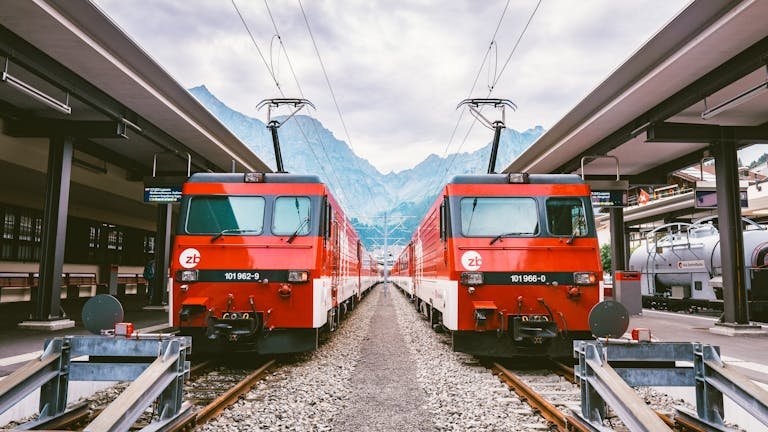
Trains, yellow PostBuses and lake ferries run on one integrated timetable, with connections built into the schedule. You can turn up at a station, check the board and go. Our guide to getting around Switzerland explains how it fits together.
2. The scenic rail routes
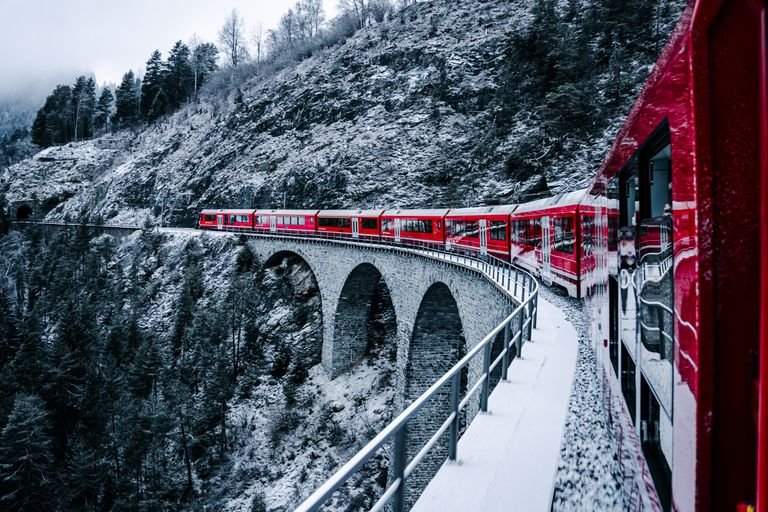
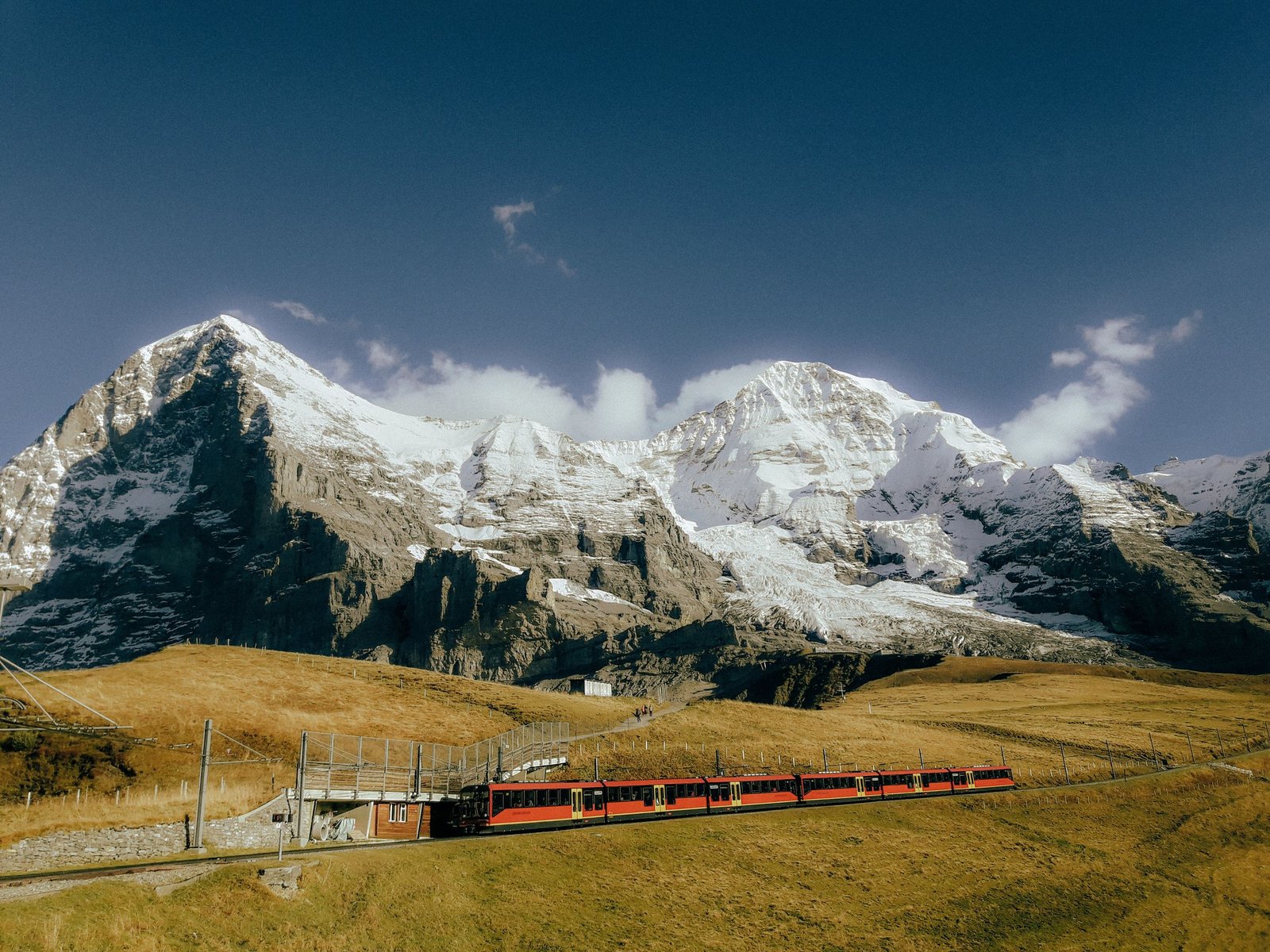
The Glacier Express (St Moritz to Zermatt), the Bernina Express (Chur to Tirano over the highest rail crossing in the Alps) and the GoldenPass Line (Lucerne to Montreux) are journeys people take for their own sake. Ordinary regional trains cover the same track for a fraction of the price if you would rather not reserve a panoramic carriage.
3. Car-free mountain villages
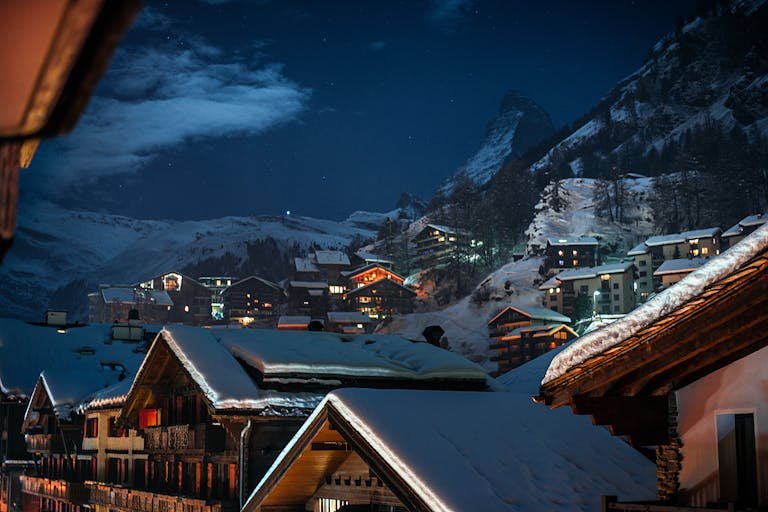
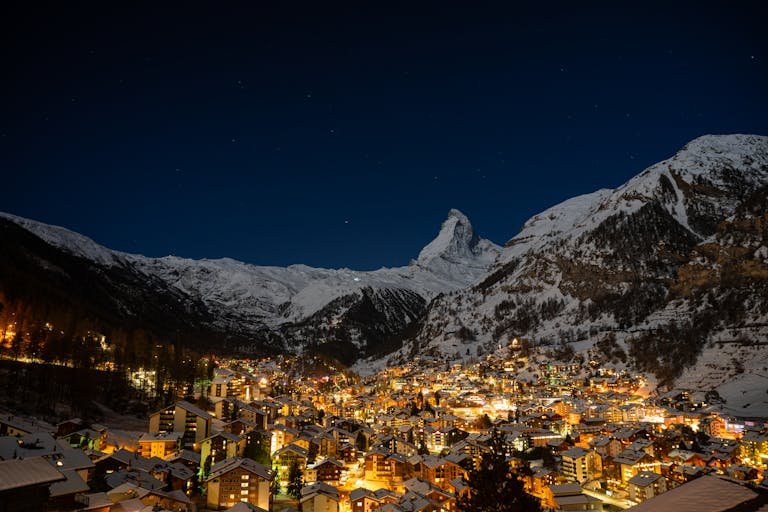
Zermatt, Wengen, Murren, Saas-Fee, Braunwald and Stoos do not allow cars. You park in a valley station and arrive by train or cable car, and the villages are quiet because of it.
4. It is compact
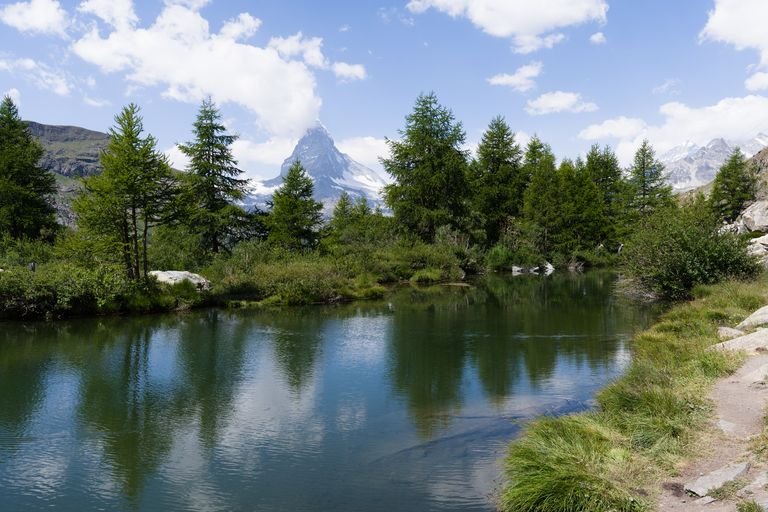
Zurich to Geneva is under three hours by train. You can base yourself in one or two places and still reach the Matterhorn, the Bernese Oberland and Lake Lucerne on day trips. Little time is lost in transit.
Working out the passes? Getting Around Switzerland →
5. Four cultures in one country
German, French, Italian and Romansh are all official languages, and the regions feel genuinely different. Ticino, on the Italian side, has a different climate, food and pace from German-speaking Zurich a couple of hours north.
6. The lakes
Lakes Geneva, Lucerne, Zurich, Thun and Brienz all have scheduled boat services that are part of the public transport network, covered by the Swiss Travel Pass and discounted with a Half Fare Card. Taking the boat one way and the train back is often the best way to see a lake region.
7. Cities worth their own time
Bern’s arcaded medieval old town is a UNESCO site. Zurich has the lake, the old town and a strong museum scene. Lucerne sits on the water beneath two mountains. Basel, on the Rhine where three countries meet, has the best concentration of art in the country.
8. Food beyond fondue
Fondue and raclette are real, but so are rosti, alplermagronen (a mountain pasta with potato, cheese and apple sauce), Zurcher Geschnetzeltes (veal in a cream sauce), and the white wines of the Valais, which are almost never exported and best drunk where they are made.
9. It works in every season
Skiing from December to April, hiking from June to October, and quiet shoulder seasons in between with lower prices and clear air. The transport runs the same in all of them.
10. It is an adventure-sport hub
Interlaken is one of the busiest paragliding centres in Europe, with tandem flights over the lakes and the Jungfrau. The 220-metre bungee jump from the Verzasca Dam in Ticino, the one from the opening of GoldenEye, still operates in summer. Canyoning, via ferrata and glacier walks are widely available with guides.
Frequently asked questions
Is Switzerland worth visiting?
Yes, particularly if you value landscape and easy travel. The mountain scenery is genuinely world-class and the transport network makes it accessible without a car or much planning. The main drawback is cost, which a travel pass helps manage.
How many days do you need in Switzerland?
Five to seven days covers two or three regions at a reasonable pace, for example Lucerne and the Bernese Oberland, then Zermatt or the Lake Geneva area. Ten days lets you add Ticino or the Engadine.
When is the best time to visit Switzerland?
June to September for hiking and long days, December to March for skiing. Late spring and early autumn are quieter and cheaper, with a chance that some high trails and lifts are still closed or already shut.
Is Switzerland very expensive?
Yes, especially food and accommodation. Transport is the one cost you can cut significantly: price a Swiss Travel Pass and a Half Fare Card against your planned journeys before you go, and one of them will usually save money.
What I found
On my trip I bought a Swiss Travel Pass and moved most days: Zurich to Zermatt, then Geneva, Bern and Lucerne, deliberately adding lake ferries and cable cars wherever I could. Used that heavily, the pass came out clearly cheaper than buying tickets one by one. On a separate trip I took a Swiss train from Mannheim in Germany down to Basel and spent a day there. Both times the trains were exactly on schedule, which is what makes the tight connections work.
Where to go next
To plan the transport, see getting around Switzerland and, for a specific route, Zurich to Zermatt. For a city base with day trips, read day trips from Zurich. Everything we have written on the country sits on the Switzerland hub.
This article is for informational and educational purposes only. Always verify current travel requirements with official government sources before making travel decisions.
Partner resource. We may earn a commissionCompare Swiss rail passes & tickets (Trip.com) →