
Note: This site participates in the Amazon Affiliates and other affiliate partner programs at no cost to you. Visiting an affiliate partner site may result in this site receiving a commission. For more information visit our Affiliate Disclosure page.
Tokyo is huge, and a first visit can feel like too much to plan. It does not have to. A handful of sights give you the range of the city: an old temple district, a forest shrine, the famous crossing, one digital-art museum, and a high view. This is the shortlist I would give a first-time visitor with three or four days.
The short answer
If you only do five things: walk to Senso-ji in Asakusa, spend a morning at Meiji Jingu and Harajuku, stand at Shibuya Crossing, book one teamLab museum, and go up one tower or free observatory at dusk. Get a Suica or PASMO IC card on arrival and use the metro for everything else. You do not need a rental car, and you do not need to see all of Tokyo in one trip.
Tokyo’s most-booked experiences, from teamLab tickets to sumo shows, sell out weeks ahead in peak season. It is worth checking what is available for your dates early. Viator
Senso-ji and Asakusa
Senso-ji is Tokyo’s oldest temple. You enter through the Kaminarimon gate with its giant red lantern, walk the Nakamise shopping street lined with stalls selling rice crackers, folding fans and grilled sweets, and come out at the main hall and its five-storey pagoda. Go early or in the evening to avoid the heaviest crowds. Afterwards, walk down to the Sumida River, where the Tokyo Skytree stands on the far bank and reflects in the water after dark.
Asakusa is also the easiest part of the city to see the old low-town character that most of Tokyo has built over.
Meiji Jingu and Harajuku
Meiji Jingu is a Shinto shrine set in a dense planted forest of 100,000 donated trees, dedicated to Emperor Meiji and Empress Shoken. The entrance is right by Harajuku Station. You walk a wide gravel path under tall torii gates, past a wall of sake barrels, to a quiet courtyard. On weekend mornings you may see a traditional wedding procession crossing the grounds.
Step out of the south entrance and you are on Takeshita Street, the loud, narrow centre of Harajuku teen fashion, crepe stands and novelty shops. A block east, Omotesando is the opposite: a wide boulevard of architecture and flagship stores. The two streets a few minutes apart are a good short lesson in how Tokyo works.
Not renting a car in Japan? Japan Travel Tips: No Car Needed →
Shibuya Crossing and Shibuya Sky
The Shibuya scramble crossing is the one every visitor wants to see. Every couple of minutes the lights stop all traffic and hundreds of people cross in every direction at once. Watch it from the second-floor window of the Starbucks in the Tsutaya building, or from the walkway at Shibuya Station, then walk it yourself.
For the view, Shibuya Sky is the rooftop observation deck on top of Shibuya Scramble Square, directly above the station. Book a sunset slot in advance if you can. The Tokyo Metropolitan Government Building in Shinjuku has free observation decks on the 45th floor if you would rather not pay for a view.
One teamLab museum
teamLab runs two separate digital-art venues in Tokyo, and they are different experiences:
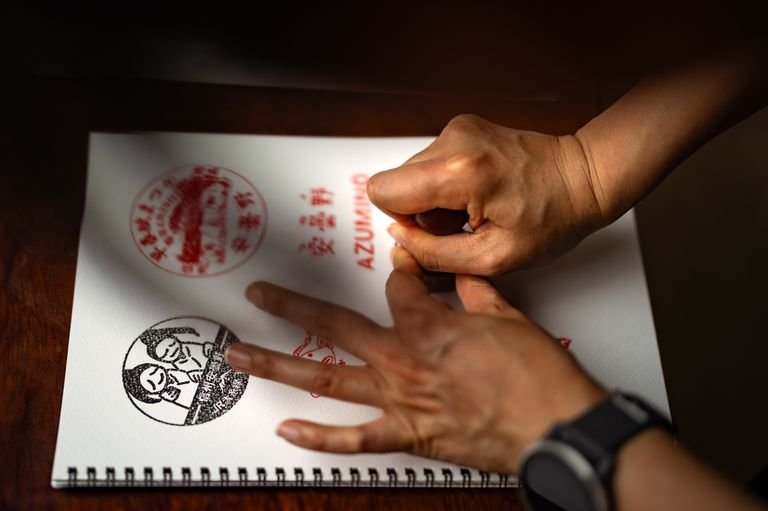
- teamLab Borderless in Azabudai Hills, near Roppongi. Rooms of projected light with no fixed route, where the art moves between spaces and reacts to you. It reopened here in 2024 after the original Odaiba site closed.
- teamLab Planets in Toyosu. A barefoot walk through water and light installations. Currently scheduled to run through the end of 2027.
Both require timed tickets bought ahead, and both sell out in peak periods. Pick one for a first trip. Planets is the better choice if you are travelling with children.
A view at dusk
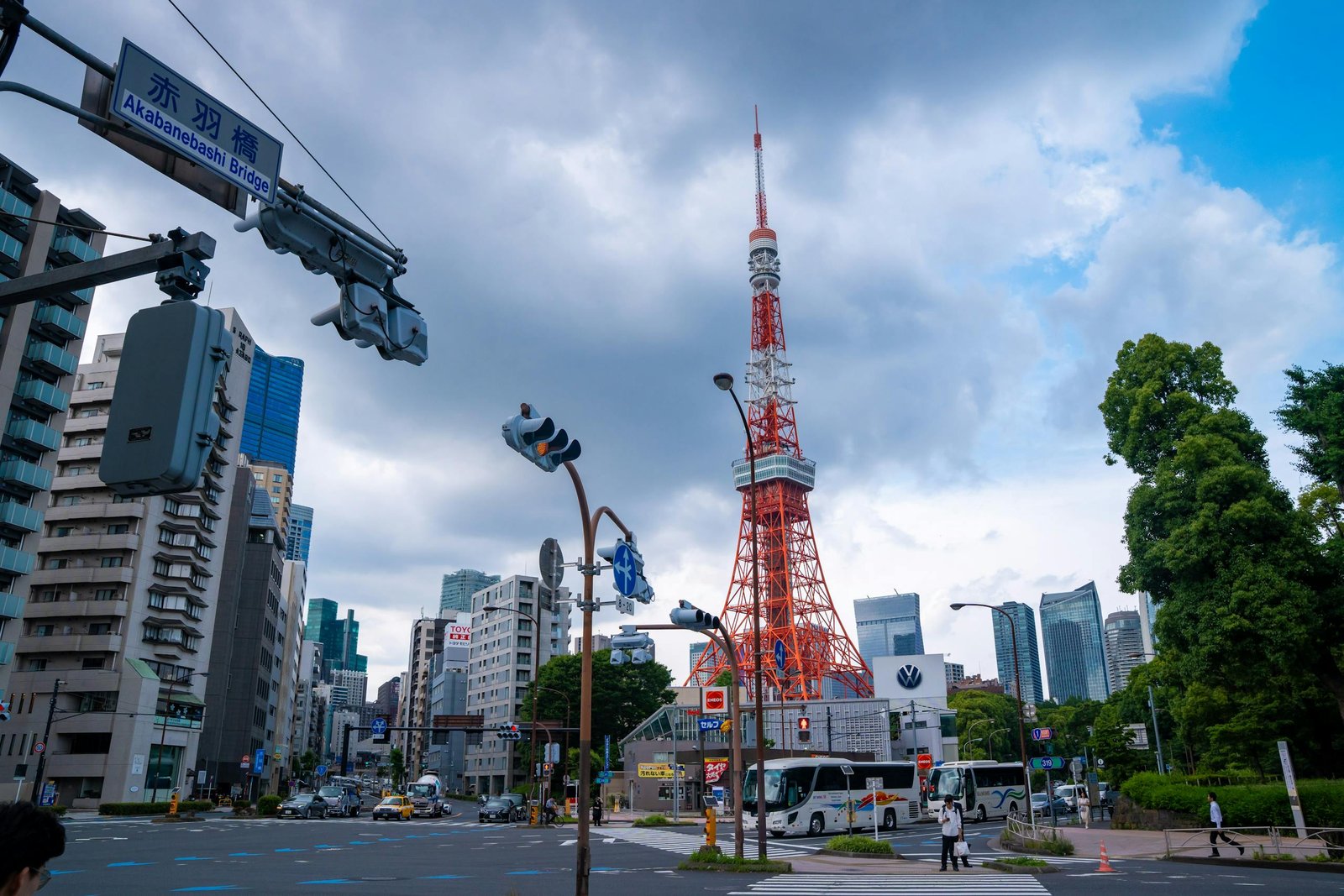
Tokyo Tower (333 m, painted red and white) and the taller Tokyo Skytree (634 m) both have paid observation decks. On a clear day you can see Mount Fuji from either. Tokyo Tower photographs better from the ground, especially from the nearby Zojo-ji temple or Shiba Park. Combine a Tokyo Tower visit with the Edo-period Hamarikyu Gardens a short walk away for the classic contrast of pine trees and skyscrapers.
Add these if you have the time
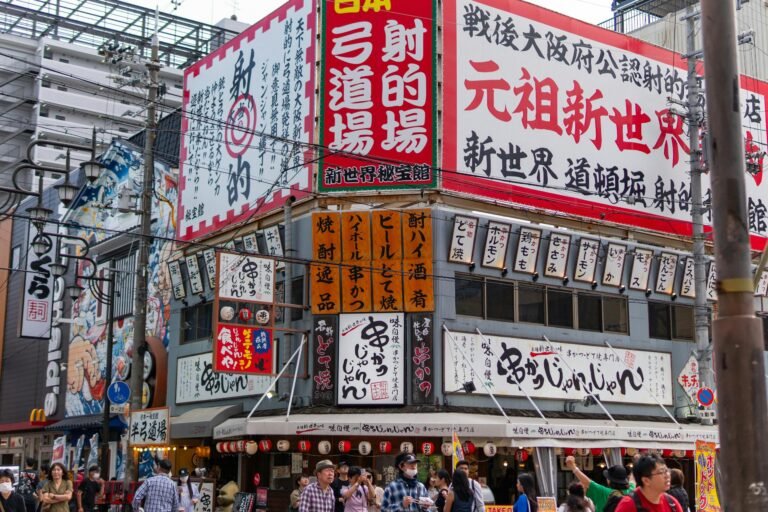
- Shinjuku after dark. Omoide Yokocho and Golden Gai are two clusters of tiny bars and grill stalls in narrow lanes. Good for one evening.
- Kappabashi. The kitchenware district, blocks of shops selling Japanese knives, ceramics and the plastic food models restaurants display. A better souvenir stop than the tourist shops.
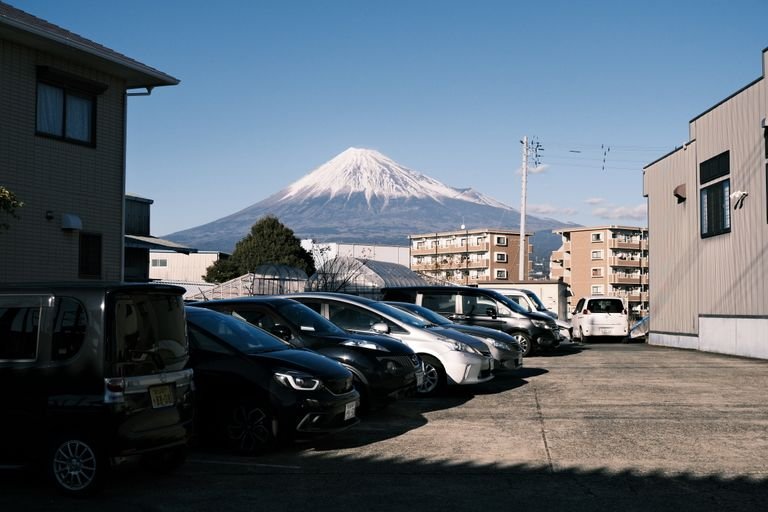
- A day trip. Nikko for shrines and forest, Kamakura for the Great Buddha and the coast, or an organised bus tour to the Mount Fuji lakes. All are doable in a day from central Tokyo.
- The Imperial Palace East Gardens. Free, central, and a calm hour between other stops.
How I did it
I stayed outside the centre to keep the cost down and rode the metro in every day. An IC card made the short hops painless, and I walked long stretches between stations rather than changing lines. Over a few days I worked through Meiji Jingu, Shibuya, Shinjuku, the Imperial Palace walk, Ginza and the markets, spent a morning in Kappabashi looking at knives, and saw a performance at the Kabuki-za theatre in Ginza, which is worth booking even for one act. On a separate day I took an organised bus tour from downtown out to the Mount Fuji viewpoints, which removed all the transport planning for a day.
Frequently asked questions
How many days do you need in Tokyo?
Three full days covers the main sights at a reasonable pace. Four or five lets you add a day trip and some neighbourhood time without rushing.
What should I book before arriving in Tokyo?
teamLab tickets, Shibuya Sky at sunset, any sumo or Kabuki performance, and the Ghibli Museum if you want it (it sells by advance lottery). Temples, shrines and the free government-building observatory need no booking.
Do I need a Japan Rail Pass for Tokyo?
No. The rail pass is for long-distance Shinkansen travel between cities. Inside Tokyo you use a Suica or PASMO IC card on the metro and local trains.
Is Tokyo easy to get around without Japanese?
Yes. Station signs and ticket machines have English, Google Maps gives accurate train directions, and IC cards remove the need to work out fares.
Where to go next
Still deciding if Tokyo is your trip? Read why visit Tokyo. For moving around the country by train, see getting around Japan without a car, and for locking in the timed-entry attractions, how to book Tokyo activity tickets. Everything we have written on the city sits on the Tokyo hub.
This article is for informational and educational purposes only. Always verify current travel requirements with official government sources before making travel decisions.
Partner resource. We may earn a commissionBook Tokyo tours & activities (Viator) →