
Note: This site participates in the Amazon Affiliates and other affiliate partner programs at no cost to you. Visiting an affiliate partner site may result in this site receiving a commission. For more information visit our Affiliate Disclosure page.
Whether hiking poles are worth carrying on the Camino de Santiago or the Kumano Kodo does not have a single answer. It depends on the route, and on the section of the route you are walking that hour. Poles are genuinely useful on steep, loose or wet ground, and a mild nuisance on flat track and pavement, where they mostly get in the way.
Here is how that plays out on each of the two pilgrimages, and how to decide whether to bring a pair.
The short answer
On the Camino, most people do not need poles most of the time, but a pair is worth having for the rocky, slippery descents that turn up here and there. On the Kumano Kodo, poles earn their place: the trail is steep and rooty for most of its length. If you are unsure, bring them, strap them to your pack, and take them out only when the ground calls for it.
On the Camino de Santiago
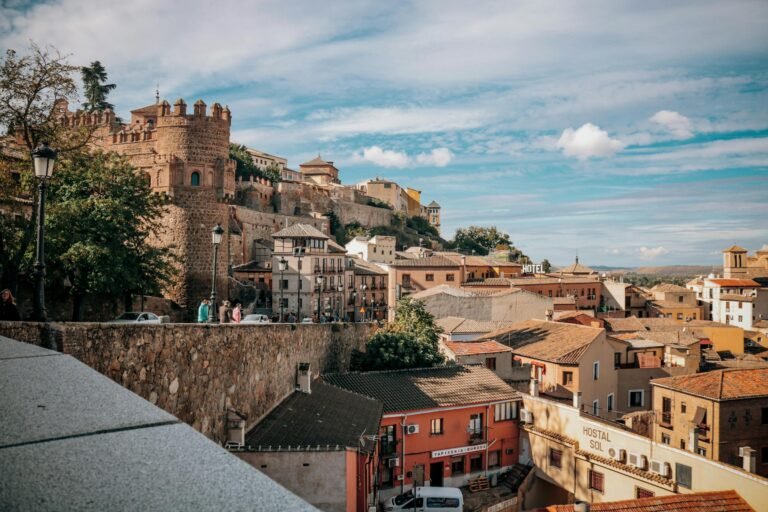
I have walked the Portuguese Coastal route twice, with poles carried on the outside of my pack. For most of that route the terrain does not ask for them: boardwalk along the coast, farm track, quiet lanes, the odd stretch of cobbles. On that kind of ground poles are just two things to hold.
Then the route turns inland into the woods, and in places the path becomes rocky, root-crossed, steep and slick after rain. On those segments the poles came off the pack and made a real difference to my balance, especially going downhill. That is the pattern on the Camino: long easy stretches where you will not think about poles, punctuated by short rough sections where you are glad to have them.
Many pilgrims skip the question of flying with poles entirely and buy a cheap pair, or a traditional wooden staff, in Saint-Jean-Pied-de-Port or one of the first towns, then leave it behind at the end.
On the Kumano Kodo
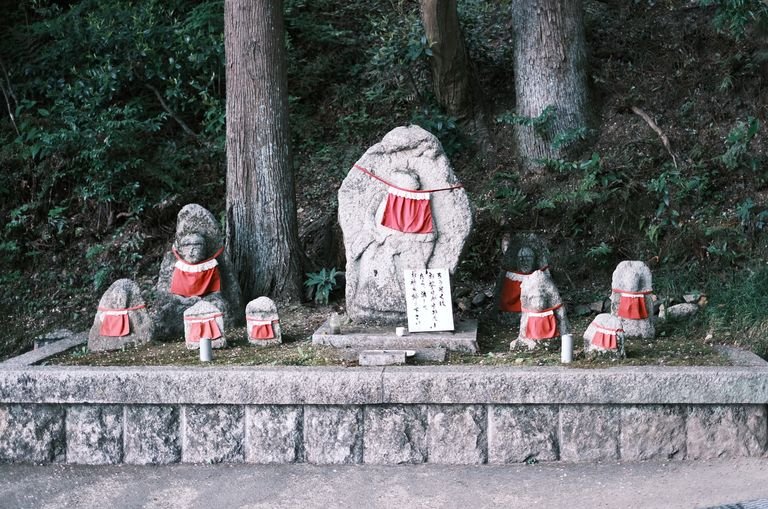
The Kumano Kodo is a different case. Most of the Nakahechi is steep, and the surface is either rock or a lattice of tree roots, uphill and downhill in long sustained pitches. I used my poles far more consistently here than on the Camino, and had them in hand for most of each walking day rather than most of it strapped away.
If you only do one of the two routes with poles, make it this one. If you would rather not carry them from home, several guesthouses and shops in the Kumano region rent them.
What poles actually do for you
- Save your knees on descents. This is the main benefit. Planting a pole ahead of you takes load off the leading knee on every step down.
- Steady you on bad footing. Wet rock, loose stones, mud, stream crossings, roots. Two extra points of contact turn a slip into a stumble.
- Set a rhythm. On long moderate climbs, a pole cadence helps you keep a steady pace and spread the effort into your arms.
- The downsides. Your hands are occupied, so no phone or snack on the move without stopping. They are awkward on road and in towns. They are one more item to manage, and the tip caps wear out and get lost.
If you decide to bring a pair
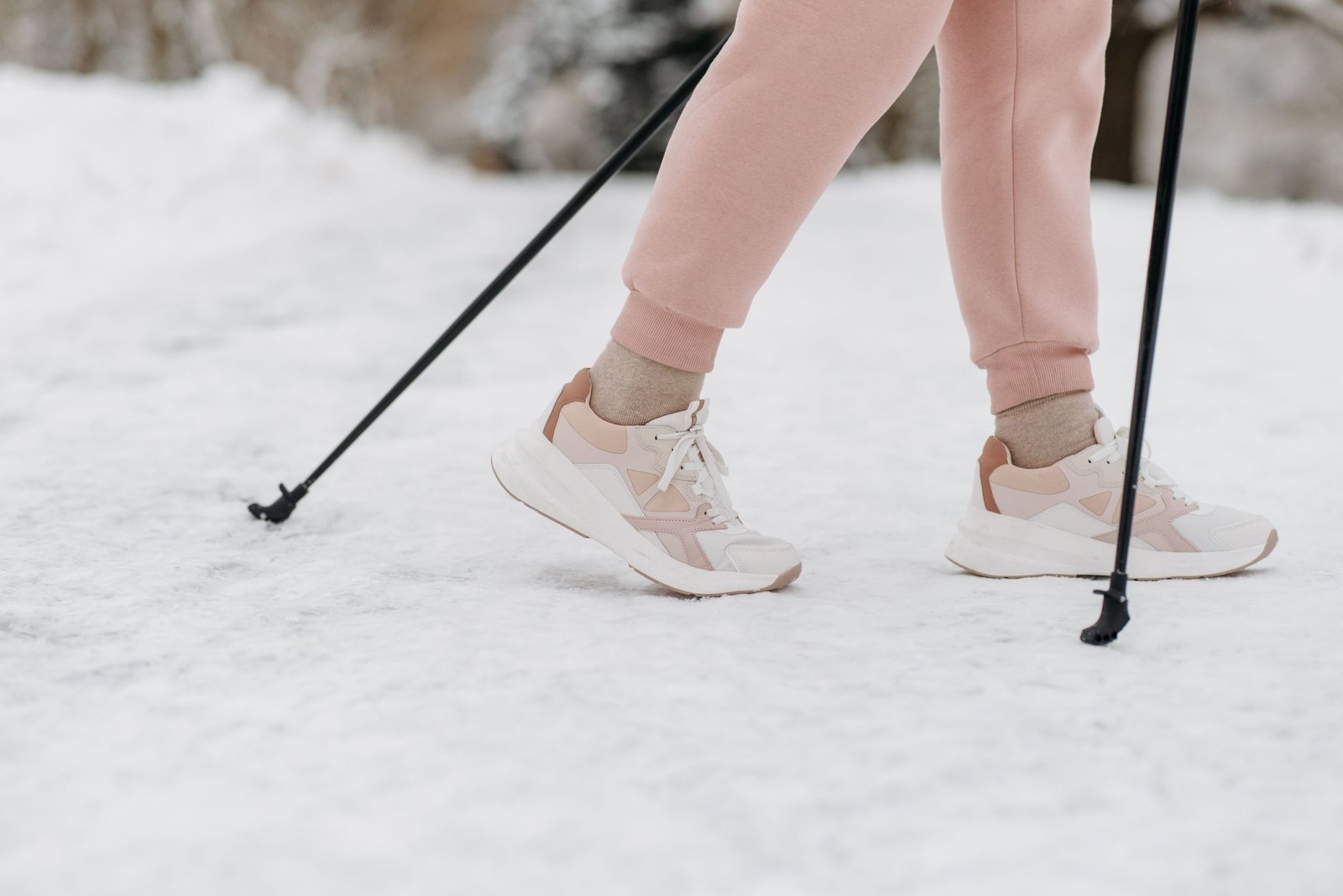
Get adjustable poles so you can shorten them for climbs and lengthen them for descents. Folding poles pack smaller than telescoping ones, which matters if you are flying; we cover that in Traveling with Hiking Poles on Flights. Carry the rubber tip covers as well as the bare carbide tips: rubber for pavement and hard trail, bare metal for dirt and rock. Use the wrist straps properly, with your hand coming up through the loop, so the strap takes the weight and your grip can stay loose.
Flying to the trailhead with poles? Traveling with Hiking Poles on Flights →
Frequently asked questions
Are hiking poles essential for the Camino de Santiago?
No. Most of the popular routes are walkable without them. They are useful insurance for the rocky, steep or wet sections, and for anyone with knee or ankle concerns.
Do you need poles on the Kumano Kodo?
More so than on the Camino. The trail is steep and root-covered for long stretches, and poles help on both the climbs and the descents. If you do not want to travel with them, rent a pair in the Kumano region.
One pole or two?
Two, if you are using them for balance and to protect your knees on descents. A single pole or a staff is fine if you mainly want something to lean on now and then.
What about the paved and urban sections?
Put rubber tips on, or fold the poles and strap them to your pack. Bare carbide tips skate on pavement and are noisy.
Where to go next
Building your kit list? See the Camino de Santiago Packing List and Camino Backpack Comparisons and Packing Tips. Deciding between the two routes? Read Kumano Kodo vs Camino de Santiago. More pilgrimage planning sits on the Pilgrimages and Scenic Walks hub.
This article is for informational and educational purposes only. Always verify current travel requirements with official government sources before making travel decisions.
Partner resource. We may earn a commissionCompare places to stay on the route (Booking.com) →